Vietnam's Phu Quoc Rises Fast on Indian Outbound Travel Lists
Vietnam's Phu Quoc is catching on fast with Indian travellers as outbound tourism expands beyond traditional picks like Dubai, Singapore, and Thailand.
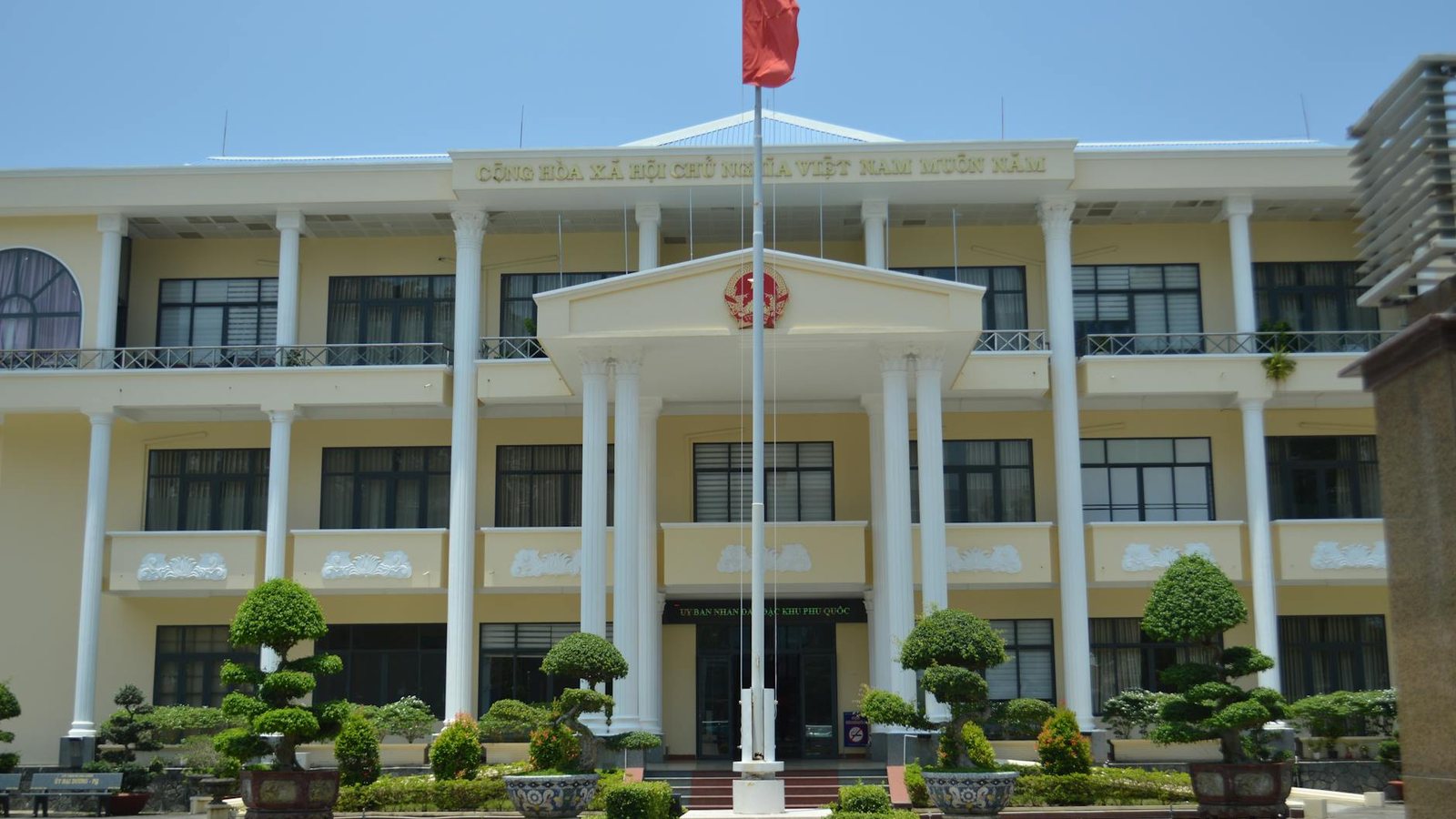
Phu Quoc didn’t make it onto many Indian wish lists five years ago. Vietnam’s largest island, tucked near the Cambodian coast, was a backpacker footnote at best. Today, search trends tell a different story: Indian travellers are picking Phu Quoc at a pace that has the travel industry sitting up.
The draw is deceptively simple. Ease of getting there and strong value for money. That combination has turned Phu Quoc into one of the year’s most talked-about emerging destinations for middle-class families, honeymooners, and working couples looking for an international escape that doesn’t break the bank.
This shift is part of something bigger. Indian outbound travel is no longer anchored solely to Dubai, Singapore, and Thailand’s beach resorts. The appetite has changed. Travellers who did Bangkok twice are now looking at Vietnam’s coasts. Those who did Bali on repeat are exploring the Gobi Desert. A growing segment is going further still: Tanzania’s Serengeti, Andorra’s mountain roads, Mongolia’s vast emptiness.
The question is what is driving this, and what it means for anyone planning a trip in the months ahead.
Phu Quoc: Vietnam’s island gets its Indian moment
What makes Phu Quoc work for Indian travellers isn’t just the beaches, though they are genuinely fine. It is the infrastructure. Vietnam has invested steadily in its island tourism backbone, and Phu Quoc now has international connectivity and a hotel range that spans budget guesthouses to all-inclusive resorts. For a family flying from Delhi or Bengaluru, the maths add up in a way they simply don’t for the Maldives.
The value proposition is sharp. A week in Phu Quoc, covering flights, mid-range accommodation, and meals, costs a fraction of what a comparable Maldives trip would. The food is good, the beaches are genuinely less crowded than the Thai islands many Indians have already been to, and the visa process is manageable.
Indian travel platforms have logged Phu Quoc climbing steadily in year-over-year destination rankings. The trend is metro-led, driven largely by travellers in their late twenties and thirties who have already checked off the easier Southeast Asian options.
Thailand still pulls, but differently now
Bangkok isn’t going anywhere. Indian arrivals into Thailand have bounced back sharply. But the way Indians are now experiencing Bangkok is changing.
The idea of flâneuring, the old French tradition of wandering without a fixed agenda, is gaining ground among urban Indian travellers who have already done the Grand Palace and Chatuchak market and now want something less structured. Bangkok rewards that approach. Its lanes and canals, its neighbourhood temples, its street food that changes character block by block, these are the things a slower visit reveals.
And then there’s the Sanctuary of Truth in Pattaya. For travellers who think of Pattaya purely as a nightlife destination, this coastal wooden monument reframes the city entirely. Built without a single nail or drop of concrete, the structure relies entirely on traditional Thai craftsmanship. Every surface is carved with philosophical and spiritual imagery. It has been under active construction for more than four decades and is still unfinished.
That detail matters. What you see when you visit is not a finished museum piece but a living monument still being made. That changes how you experience it.
The Gobi, Tanzania, and the adventurous edge
A smaller but fast-growing segment of Indian travellers is heading to places that would have seemed implausible a decade ago.
Glamping in Mongolia’s Gobi Desert is one of them. The concept, camping with real comfort, proper beds, running water, prepared meals, surrounded by one of the world’s most extreme landscapes, has made the Gobi accessible in a new way. Travellers stay in traditional Mongolian gers, the circular felt tents that nomadic families have used for centuries, while guides take them across the dunes. Routes from India connect through Ulaanbaatar, and outfitters now tailor experiences for Indian visitors specifically.
Tanzania appeals to a different kind of traveller: one who wants a safari and a beach in the same trip without hopping continents. The Serengeti and Zanzibar together deliver that. Practical groundwork is essential here. Visa requirements, vaccination protocols, and the logistics of moving between mainland Tanzania and Zanzibar all need planning. The destination rewards travellers who do that homework.
A new category: geoparks worth going to
One of the more interesting travel trends this year is the rise of UNESCO Global Geoparks as a genuine destination category. UNESCO recently added 12 new sites to its network, which now spans 51 countries. These are not heritage monuments in the conventional sense. They are landscapes that document key moments in Earth’s geological history: volcanic islands, ancient coral reefs, glacial mountain formations.
Each site comes with communities whose lives have been shaped by the land around them. For Indian travellers with a scientific bent or an environmental curiosity, geoparks offer something most conventional tourism skips: a reason to look closely at the ground itself, not just the buildings or the beaches above it.
What this all adds up to
The spread of destinations Indian travellers are now seriously considering is wider than it has ever been. Budget has something to do with it. The search volume for places like Phu Quoc suggests travellers are actively hunting for value. But there is also a maturity factor at play.
A generation of Indians who began travelling internationally post-liberalisation has logged enough trips to want something different. Their children are growing up with passports already stamped from multiple countries. The bar for “somewhere new” has shifted upward.
The travel industry is responding. More India-friendly resources for planning trips to Vietnam, Tanzania, and Mongolia now exist than at any point before. Insurance, SIM cards, and payment systems that work seamlessly abroad are easier to arrange.
The next few years will likely see Phu Quoc move from emerging to established on the Indian travel calendar, tracing the same arc that Bali and Bangkok traced before it. And somewhere quieter, in a geopark or a Gobi ger camp or a Croatian coastal town, the next destination is already quietly accumulating its search traffic.