Dutch Officials Say Russia Could Strike NATO After Ukraine
Dutch defence officials warn Russia may target a NATO member after the Ukraine war, raising risks for energy, shipping and markets.
A war that many hoped would stay inside Ukraine now has Europe asking a colder question: what if Russia does not stop there?
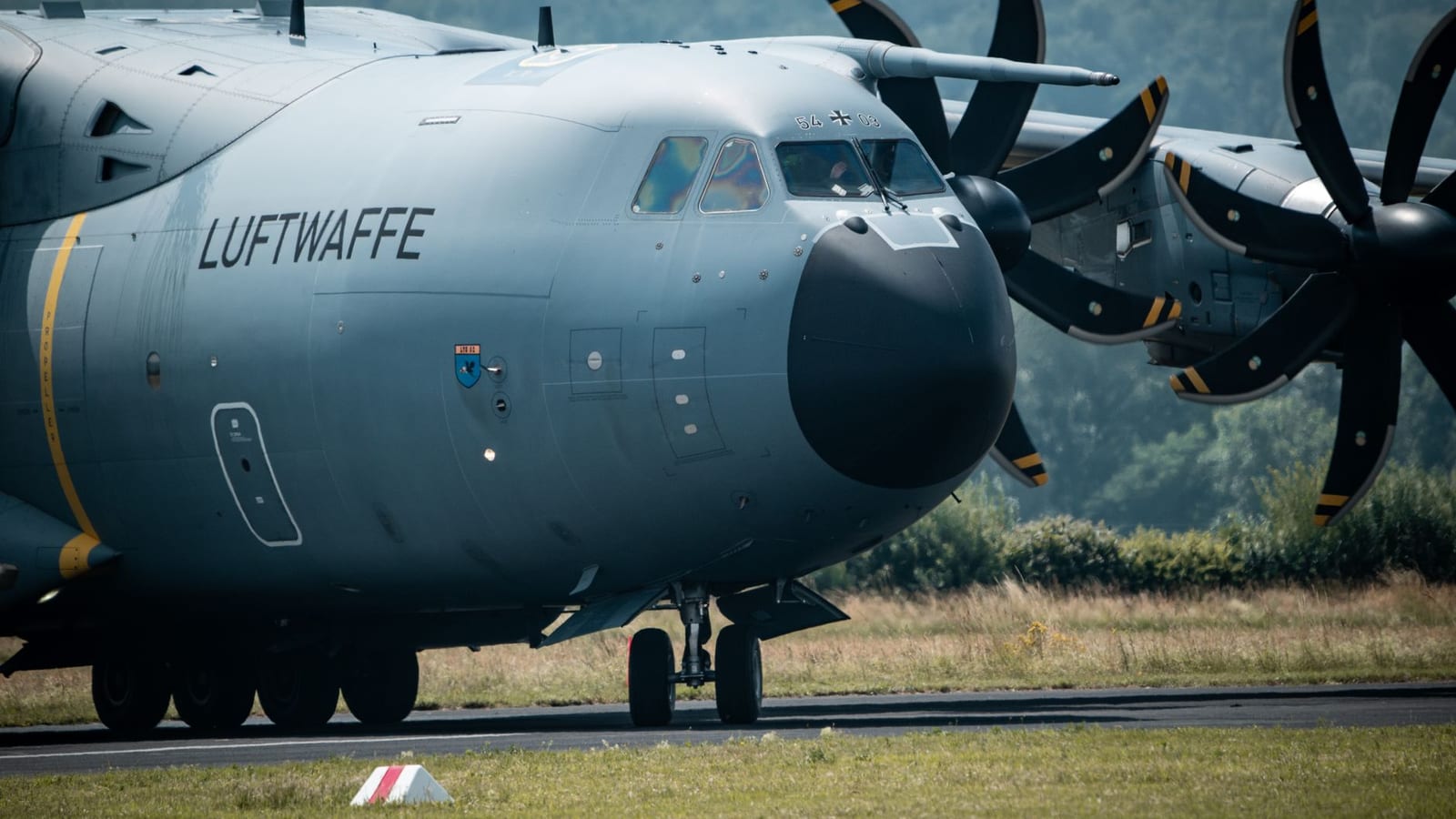
The Dutch defence ministry has warned that Russia could mount a limited military campaign against a NATO member within a year after the Ukraine war ends. That is not a small footnote in a defence report. It is Europe admitting that peace in Ukraine may not mean calm for the continent.
For India, this is not distant noise from another theatre. A wider European military crisis can hit oil prices, fertiliser costs, defence supplies, shipping routes, and the mood of global markets. Delhi may not sit at NATO’s table, but it cannot ignore the bill.
Europe reads a longer Russian threat
The Dutch defence ministry said Europe now lives in a grey zone between war and peace. That phrase matters because it captures the new normal. Countries may not declare war, yet they can face drones, cyberattacks, sabotage, and pressure on borders.
Dutch intelligence believes Moscow is preparing for a long confrontation with Europe. The ministry’s report warned that, in the worst case, Russia could test NATO soon after the guns fall quieter in Ukraine.
NATO Secretary General Mark Rutte has made a similar point in sharper terms. He said Russia could be ready to use military force against NATO within five years.
That timeline will shape the NATO summit in Ankara on July 7 and 8. European leaders will not only discuss Ukraine. They will discuss how quickly they can rearm, train, and protect their own people.
For years, Europe treated defence spending like an unpleasant household repair. Everyone knew the roof leaked, but few wanted the bill. Ukraine changed that. Now leaders fear the storm may spread.
Ukraine’s daily cost keeps rising
Even as Europe plans for a wider threat, Ukraine is still paying the immediate price. Ukrainian officials said Russian attacks killed several civilians on Monday.
In Kharkiv, regional chief Oleg Synehoubov said a Russian strike killed one person and injured ten others. Earlier updates from the region listed wounded civilians, including two women aged 65 and 20, and a 54-year-old man.
In Dnipro, Oleksandr Hanja, head of the Dnipropetrovsk regional military administration, said a missile hit a private company. He reported five deaths and 28 injuries, with four people in serious condition.
In Zaporizhzhia, regional chief Ivan Fedorov said a Russian drone struck a shared taxi. Three people died, and seven others were injured, including a child.
That detail tells the story better than any strategic map. Wars are discussed in capitals, but they land inside buses, workplaces, homes, and power lines.
Ukrainian President Volodymyr Zelensky said civilians need better protection from such attacks. He called for stronger missile defence, especially European-made systems and missiles.
His message has a hard practical edge. Ukraine does not only need sympathy. It needs air defence fast enough to stop missiles before they reach ordinary streets.
Heat, power cuts, and war fatigue
Ukraine is also facing a harsh summer. Temperatures may touch 38 degrees Celsius this week, officials said. That heat will test an energy grid already damaged by repeated Russian bombardment.
Power cuts have already been planned in at least five regions. This is what modern war looks like when it stretches into its fifth year. It is not only trenches and tanks. It is fridges failing, lifts stopping, factories slowing, and hospitals worrying about backup power.
Sergii Kovalenko, chief executive of energy company Yasno, said the heat is a serious test for equipment working under wartime conditions. His company supplies millions of households and many businesses.
This is where Indian readers will recognise the pain clearly. When power fails during peak heat, life becomes expensive and anxious. Small firms lose working hours. Families rearrange meals, medicines, and sleep.
Ukraine’s problem is sharper because repairs happen under threat. Some energy infrastructure is still being fixed, while other parts run under constant strain.
Russia also appears to feel some economic pressure. President Vladimir Putin acknowledged a fuel shortage after Ukrainian strikes on infrastructure. Yet he said Russia would continue its offensive and would not allow Kyiv to halt troop advances.
NATO rearms at speed
The Dutch warning has arrived alongside fresh European defence moves. Poland has signed a 4.24 billion euro agreement with Sweden to buy three Saab submarines.
The deal includes weapons, training, and support. The first submarine is due in 2031, while the last should arrive in 2038. Until then, Sweden will lend Poland a modernised A-17 vessel for training.
That may sound slow, but defence procurement always moves in long cycles. The real signal is political. Poland wants stronger protection in the Baltic Sea, where Russia’s shadow has grown longer.
The United Kingdom has also announced plans for at least six hybrid warships. These vessels can deploy drones and act as command centres for unmanned systems.
The British defence ministry said such ships could help counter Russian activity in the North Atlantic and the High North. They could also protect undersea infrastructure, a rising worry after years of cable and pipeline concerns.
The Netherlands is moving into drone defence too. Its government plans a special development lab to design drones that can fight other drones.
Dutch minister Dilan Yesilgoz framed the issue bluntly. Europe must become strong enough in time to protect its freedom, security, and way of life.
Why India should watch closely
India has managed the Ukraine war with a careful balance. It has kept ties with Moscow, talked to Kyiv, and protected its own energy interests. That approach has served Delhi’s immediate needs.
But a wider NATO-Russia confrontation would make that balance harder. Sanctions could tighten. Oil and gas prices could jump. Insurance costs for shipping may rise. Defence supply chains could face delays.
India still uses a large amount of Russian-origin military equipment. Spare parts, maintenance, and upgrades matter. If Russia gets locked into a longer contest with Europe, its defence industry will face more pressure.
There is also a bigger lesson here. Europe is learning that cheap security was an illusion. Asia should not miss that message.
For India, the point is not to copy NATO. India has its own geography, threats, and partnerships. The point is to build resilience before a crisis forces rushed decisions.
That means stronger domestic defence production, secure energy choices, and better stockpiles of critical goods. It also means reading global conflicts early, not after petrol prices or market screens flash red.
The Ukraine war began as a European crisis, but it has already changed food, fuel, and defence thinking across continents. If Russia and NATO move closer to confrontation, ordinary Indians may feel it first through prices, jobs, and the cost of uncertainty. The world is no longer kind to countries that treat faraway wars as background noise.