US Air Losses In Iran Campaign Raise Gulf Travel Risks
A CRS assessment says 42 US aircraft were lost or damaged in the Iran campaign, raising concerns over Gulf air routes, oil prices and travel.
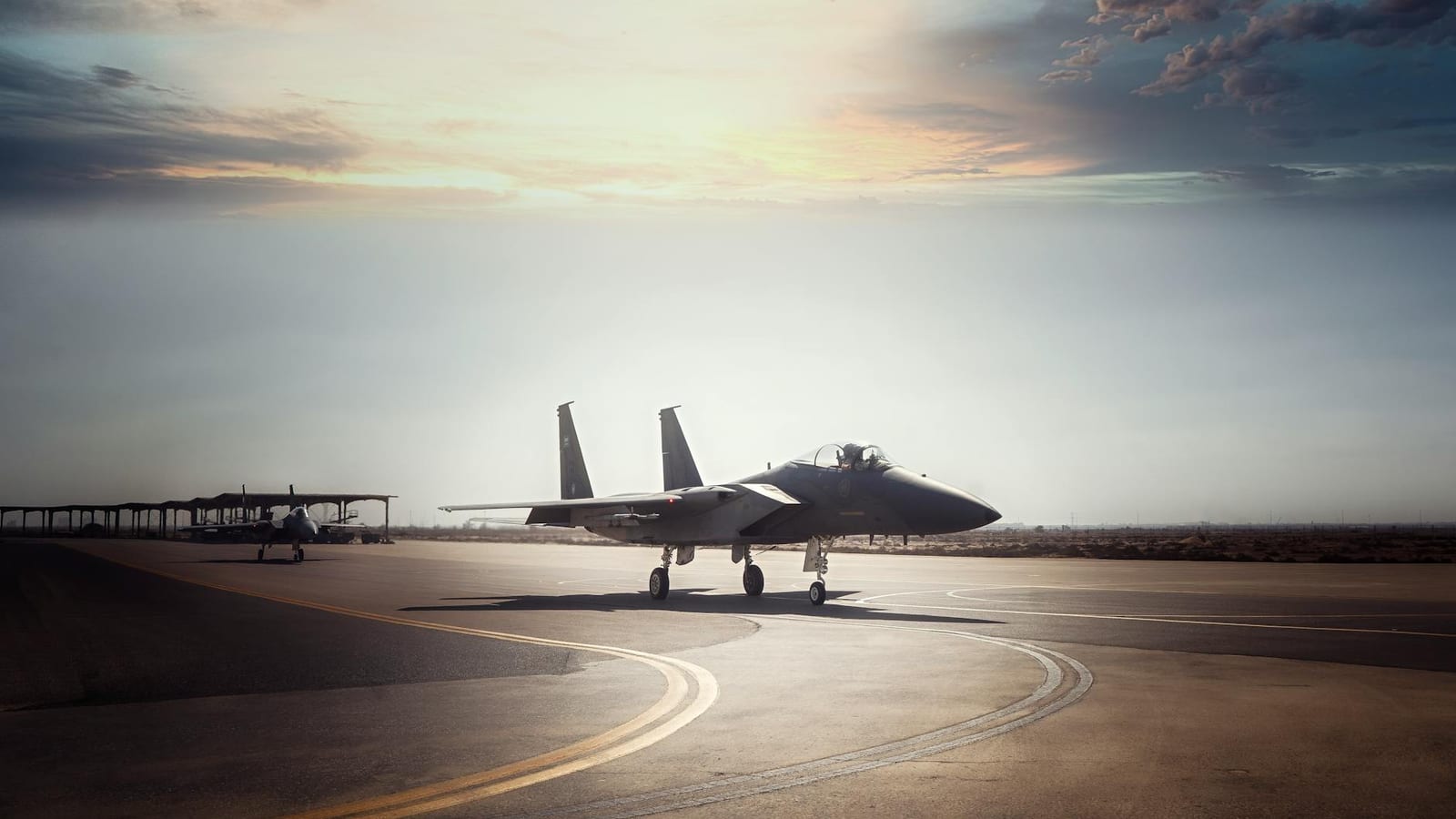
Forty-two aircraft is not a clerical footnote. It is the kind of number that tells you a war has become expensive, messy, and harder to explain.
A Congressional Research Service assessment says the US lost or damaged at least 42 aircraft during Operation Epic Fury, its campaign against Iran that began on February 28.
For Indians, this is not just distant military accounting. When the Gulf heats up, air routes, oil prices, and family travel plans often feel the aftershocks.
Aircraft losses raise hard questions
The aircraft list is striking because it cuts across roles. It includes fighter jets, refuelling planes, surveillance aircraft, helicopters, and drones.
The reported losses include four F-15E Strike Eagles and one F-35A Lightning II. These are not small assets. They sit near the expensive end of American air power.
The list also includes 24 MQ-9 Reaper drones. Drones are cheaper than fighter jets, but they are not disposable toys. They carry sensors, weapons, and intelligence value.
The Pentagon has not treated the number as fully final. The CRS said the count may still change because some details remain classified, contested, or tied to ongoing operations.
That matters. In war, the first official number often looks cleaner than reality. Damage assessments move slowly, especially when aircraft limp back, need inspection, or get written off later.
The $29 billion bill
Acting Pentagon Comptroller Jules W Hurst III told US lawmakers that the estimated cost of operations in Iran had risen to $29 billion.
That figure is hard to picture. Think of it as money spent not just on missiles and fuel, but also repairs, replacements, logistics, and base support.
Hurst told a House appropriations subcommittee on May 12 that repair and replacement estimates had pushed the bill higher.
That is the plain lesson here. A war’s price does not end when the aircraft lands. It follows the machine into hangars, supply chains, and future defence budgets.
Seven KC-135 refuelling aircraft appeared on the reported list. That detail should catch the eye. Refuellers are the flying petrol pumps that keep long-distance air campaigns alive.
If refuelling fleets take damage, the entire rhythm of air operations changes. Fighter jets may get the headlines, but tankers often decide what the mission can actually do.
Why India should watch closely
India has millions of citizens, workers, students, and families with links to the Gulf. Any wider strain around Iran affects more than diplomats and generals.
Airlines also watch the region closely. When conflict spreads near key air corridors, carriers may reroute flights, burn more fuel, and adjust schedules.
For a family planning a summer trip to Dubai or Doha, that can mean longer journeys or higher fares. For Indian workers returning from Gulf jobs, even small delays matter.
Oil is the other worry. India imports much of its crude. Trouble near Gulf supply lines can quickly move from foreign policy pages to petrol pumps.
The source assessment does not say Indian flights have been hit by this aircraft damage. But Indian travellers know the pattern by now. West Asian conflict rarely stays neatly inside borders.
Drones change the cost of war
The large number of MQ-9 Reaper drones tells its own story. Modern wars now burn through machines as well as ammunition.
Drones reduce risk to pilots, which is why militaries use them heavily. But when many drones are lost, the financial and operational cost still adds up.
The MQ-4C Triton, also listed, is built for broad surveillance. Aircraft like these help commanders see across sea lanes and large battle spaces.
That makes their damage more than a hardware issue. It can affect what commanders know, when they know it, and how quickly they act.
For ordinary readers, the simple point is this. War is no longer only about soldiers at the front. It also depends on satellites, sensors, tankers, drones, and data.
Congress wants clearer answers
The CRS exists to help US lawmakers understand policy and legal issues. Its report gives Congress a basis to ask tougher questions.
Those questions will likely focus on three things. What exactly was lost, why costs rose, and whether the mission’s goals justify the bill.
US Central Command and defence officials supplied parts of the public record used in the assessment. But Congress will still want fuller accounting.
That is how democracies should work, at least in theory. If leaders choose war, citizens deserve clear answers about cost, risk, and results.
India has its own reason to study this closely. New Delhi buys, builds, and plans for advanced air power too. The Iran campaign shows how quickly modern systems face attrition.
The lesson is not that expensive aircraft are useless. The lesson is sharper. Even the richest military can see losses mount when a conflict stretches across distance and time.
For Indian families, the story may arrive quietly, through dearer fuel, altered flights, or anxious calls from relatives abroad. That is how faraway wars enter daily life, one bill and one journey at a time.