Oil and Gulf travel face risk as Iran talks drag
US-Iran discussions have eased some gaps, but uranium demands and Hormuz tensions still threaten oil, shipping and Gulf travel costs for India.
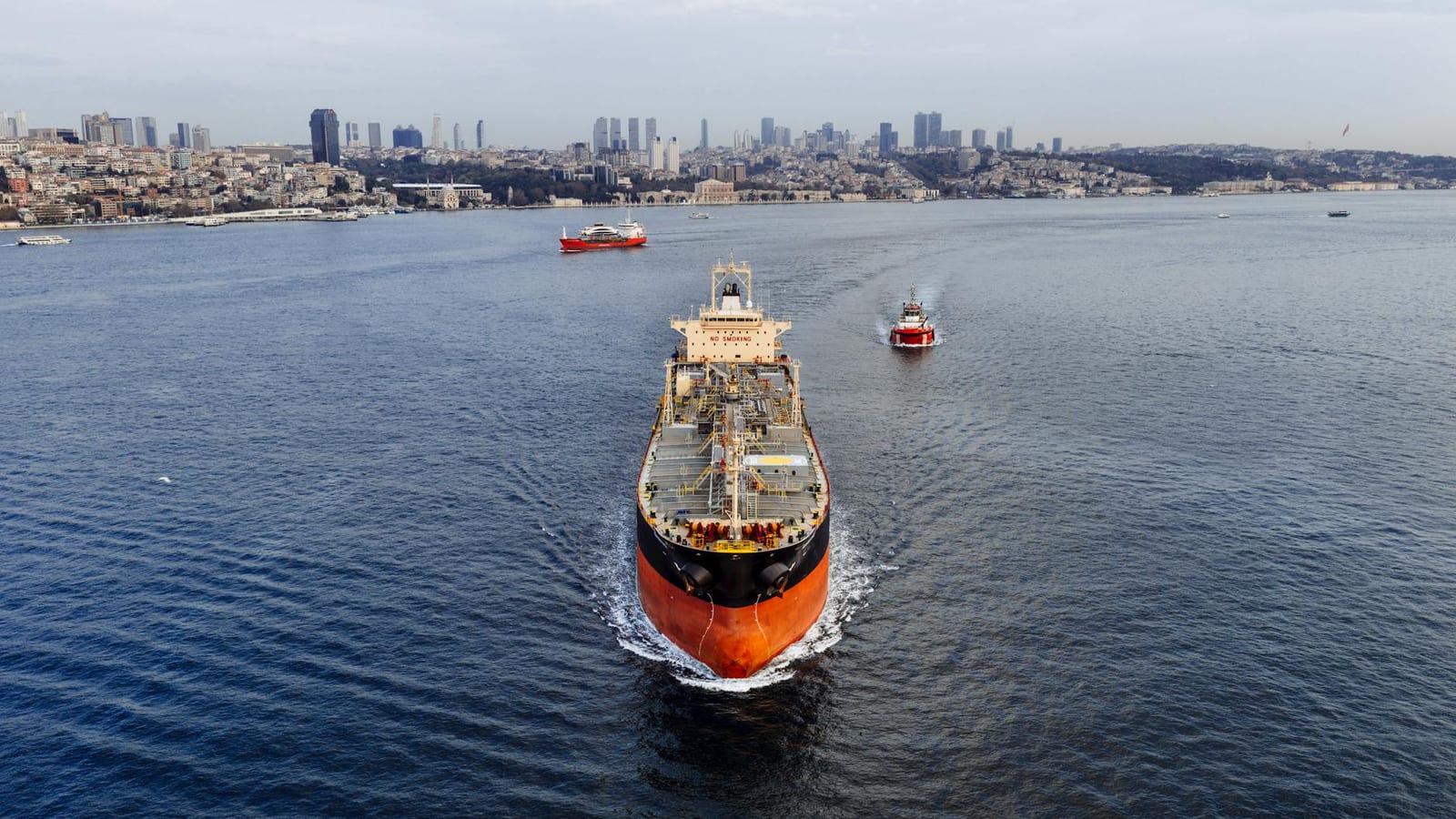
A narrow waterway near Iran can still pinch an Indian household budget within weeks.
That is the simple reason the latest United States and Iran talks matter far beyond diplomats and war rooms. If the Strait of Hormuz stays tense, oil, shipping, air travel, and Gulf routes all become costlier and less predictable.
Washington and Tehran now say talks have moved a little. But the two hardest issues remain stuck: Iran’s enriched uranium and control over the Strait of Hormuz.
Uranium remains the hardest dispute
US Secretary of State Marco Rubio told reporters the talks had shown some encouraging signs. He also made clear that Washington was not ready to celebrate.
Iranian officials have also suggested that the gap has narrowed. But they have not accepted the central US demand.
That demand is blunt. Donald Trump wants Iran’s highly enriched uranium taken out of Tehran’s hands. Washington believes that stockpile could bring Iran closer to a nuclear weapon.
Iran rejects that charge. Tehran says its nuclear programme serves peaceful purposes. Its officials have shown no sign that they will send enriched uranium abroad.
Mojtaba Khamenei, Iran’s supreme leader, has reportedly barred any transfer of the uranium stockpile outside the country. That leaves negotiators with very little room.
This is where diplomacy often becomes theatre. Both sides can claim progress on language and process. But the real fight sits in one physical thing: uranium that Iran wants to keep and America wants removed.
For ordinary people, that sounds distant. But nuclear talks in West Asia rarely stay inside conference rooms. They shape oil prices, insurance costs, military alerts, and the mood of markets.
Hormuz is the pressure point
The Strait of Hormuz is not just another sea lane. It is one of the world’s most important energy corridors.
A large share of global oil and gas moves through this narrow passage. Any threat there quickly reaches petrol pumps, airline balance sheets, and shipping bills.
Trump has opposed any Iranian move to charge vessels or restrict traffic through the strait. He has argued that the passage must remain open for international shipping.
Iran sees it differently. Tehran says it has sovereign interests in the waterway and can take steps to protect them.
Iran’s deputy foreign minister has argued that recent military actions by the US, Israel, and regional allies changed the security situation. Tehran says it can now take practical measures under international law.
That line will worry shipowners. When officials start speaking of rules, fees, escorts, and proportional steps, insurers begin pricing risk into every voyage.
The reported traffic numbers show the scale of fear. Iranian state media said only 31 ships passed through the waterway in 24 hours. Before the conflict worsened, the daily average was above 125.
That drop is not just a statistic. It means delayed cargoes, rerouted ships, higher freight rates, and nervous energy traders.
Why India should watch closely
India does not need to be a party to this conflict to feel its heat.
We import a large share of our crude oil. When global prices rise, Indian refiners pay more. Sooner or later, that pressure enters fuel pricing, airline costs, and inflation.
A Delhi family planning summer travel may not follow nuclear diplomacy. But it will notice pricier tickets if airlines pay more for fuel. A small manufacturer in Surat will notice costlier logistics.
A kirana store owner in a tier-2 city may not track Hormuz traffic. But transport costs can quietly raise prices on everyday goods.
The Gulf connection makes this even more direct for India. Millions of Indians work across West Asia. Families depend on regular flights, predictable remittances, and a region that does not suddenly become harder to enter or exit.
For travellers, this is not a normal destination advisory story. It is about uncertainty. Flights may continue, but routes, fares, and schedules can turn sensitive when airspace and maritime security come under pressure.
The International Energy Agency has warned that fuel markets could face serious stress during peak summer demand in July and August. That timing matters for India, where heat, travel, and power demand can all rise together.
A fuel shock in summer is never just about petrol. It touches diesel, trucking, farm supply chains, air-conditioning demand, and government finances.
Backchannels try to slow the slide
Pakistan Army Chief Asim Munir is expected to travel to Tehran as part of fresh mediation efforts.
Backchannel diplomacy often works through such quiet moves. Leaders may posture in public while officials test softer language privately.
People familiar with the talks say communication channels between Tehran and Washington are being tightened. That suggests both sides know the danger of misreading each other.
Trump’s patience appears to be a concern for mediators. He has warned that the US could resume strikes if talks do not produce what he considers the right outcome.
Iran’s Revolutionary Guards have issued their own warnings. They say any renewed attack would bring retaliation beyond the immediate region.
That is the part markets hate most. A ceasefire can calm prices for a few days. But threats of fresh strikes keep traders nervous.
Iran has sent a fresh proposal to Washington. Its demands reportedly include control over Hormuz, sanctions relief, compensation for war damage, frozen assets, and withdrawal of US troops from the region.
Those are not small asks. They amount to a broad political settlement, not a narrow technical deal.
The deal still looks fragile
The talks now sit in a familiar danger zone.
Both sides want to show strength. Both also know that another round of fighting could drag the region into deeper trouble.
The uranium issue gives Washington a hard security line. Hormuz gives Iran a powerful bargaining chip.
That combination makes a quick deal difficult. It also makes a breakdown expensive.
For India, the lesson is old but still sharp. Faraway chokepoints can become household problems very fast.
If diplomats can keep talking, markets may get some breathing room. If they fail, the first signs may appear not in speeches, but in fuel bills, freight charges, and the price of a summer flight to Dubai.