Himachal's Smaller Valleys Win Over Shimla-Weary Summer Travelers
As May traffic chokes Shimla, Indian families are turning to quieter Himachal valleys and Uttarakhand's alpine trails for a less crowded summer escape.
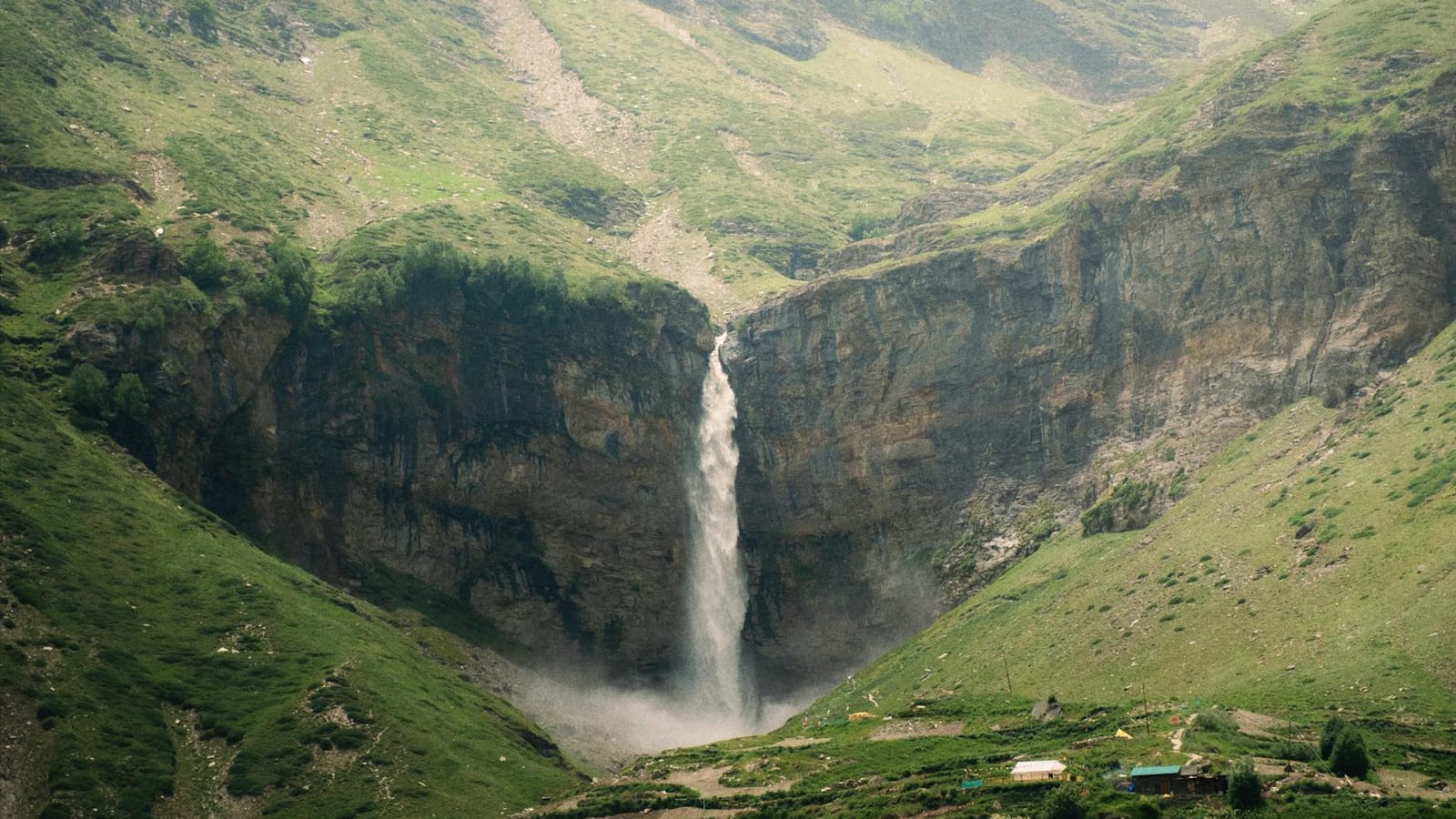
Most people who’ve done Shimla once don’t rush back. The drive up takes four hours from Chandigarh in good traffic. In May, good traffic is a theory. For Indian families who want the hills this summer, that calculation is prompting a genuine rethink.
The alternatives are better than they’ve ever been, and they’re scattered across every corner of the country.
In Himachal Pradesh, six smaller valleys and ridge towns are drawing travelers who want forest cover, cooler temperatures, and the chance to sit outside without fighting for space. These aren’t remote places that require a satellite phone. Most have basic guesthouses, passable roads, and local food worth eating. What they don’t have is the May rush that turns Kasauli and Manali into outdoor parking lots.
The push toward less-visited Himalayan terrain is happening in Uttarakhand too. Beyond the Kedarnath temple, which draws enormous pilgrim traffic in season, a quieter Himalaya opens up. Alpine lakes, meadows, old forest trails, and remote villages sit within reach of travelers willing to base themselves in smaller towns like Ukhimath or Chopta. The trekking is serious at these altitudes. But it rewards the effort in ways that a crowded highway to Badrinath doesn’t.
Ladakh makes a different kind of case entirely. The Apricot Blossom Festival runs through spring, when orchards across Leh and Kargil burst into pink and white. Villages mark the season with local music, traditional food, and a calendar of events that gives visitors a reason to be there beyond the landscape alone. The high-altitude summer that brings motorbike convoys and tourist overload comes later. In May, before the passes fill with traffic, Ladakh is a different place. Direct flights from Delhi, Mumbai, and Bengaluru have made it accessible enough that a week here no longer requires the logistical planning of a mountaineering expedition.
For rhododendron season, Sikkim’s Goechala Trek and Uttarakhand’s Chopta area are the two most-recommended corridors. The blooms run red, pink, and white across the forest trails in April and persist at higher altitudes into early May. These aren’t subtle wildflowers. In a good year, the hillside shifts colour fast enough to startle you.
The more surprising story this summer is happening down in Tamil Nadu. Karaikudi, the principal town of the Chettinad region in Sivaganga district, has been receiving the kind of quiet, curious traveler who reads about places before visiting them. The Chettiars, a merchant community whose trading routes once stretched across Southeast Asia and Burma, built their wealth into extraordinary homes. Some of these heritage mansions run to 10,000 square feet, filled with Italian marble, Belgian glasswork, teak pillars, and Athangudi tiles handcrafted in a nearby village that the community favoured over imported flooring. Several are now open to visitors. The antique markets carry objects that tell the same story: old clocks, carved furniture, silverware, and the kind of accumulated material culture that washes up when a cosmopolitan merchant class retreats to its hometown.
The local cuisine is the other reason to go. Chettinad cooking uses spices found almost nowhere else in Indian kitchens. Kalpasi (stone flower, a dried lichen) and marathi mokku (dried kapok flower pods) give dishes a depth that Chennai restaurant versions don’t quite replicate. Eating in Karaikudi, in a family-run place or a heritage homestay, is the closest most travelers will get to the original. The handloom cotton sarees woven here are worth a separate conversation: the Chettinad cotton has a texture and drape that’s immediately distinct from other Indian weaves, and the designs are rooted in the same layered history as the mansions.
Karaikudi doesn’t have a direct overnight train from Mumbai or Delhi, which is part of why it’s stayed below the radar. The base city is Madurai, about 90 kilometres away. Travelers who’ve done Madurai and Rameshwaram and want a third stop in Tamil Nadu increasingly find it here.
For those who want a summer trip that reaches outside India’s hill-station and pilgrimage circuits, the Buddhist heartland trail through Bihar and Odisha is gaining quiet recognition. Bihar’s route connects Bodh Gaya, where the Buddha attained enlightenment, to Vaishali and Rajgir across landscapes that have remained largely unchanged for centuries. Odisha’s triangle of Ratnagiri, Udayagiri, and Lalitgiri holds what remains of medieval Buddhist universities that once attracted scholars from across Asia. Neither route is designed for package tourism. Both reward travelers who rent a car, allow five to seven days, and don’t mind sitting with a place for longer than a selfie requires.
The pattern across all of this is less about any single destination and more about what Indian travelers seem to want in 2026. The checklist trip, five spots in seven days, each photographed and ticked, is giving way to something slower. Working couples taking a four-day weekend want depth over breadth. Families with older children want the kind of place that generates stories rather than just photos. Retirees who’ve done the standard circuits are circling back to regions they glossed over the first time.
For practical planning: Ladakh accommodation books out fast once the season opens, and the better properties in the Nubra Valley and Leh town fill quickly after April. Karaikudi’s heritage stays often require advance booking too, since the inventory is genuinely small. Himachal’s offbeat valleys are more forgiving. And if the only window available is a long weekend between now and June, Uttarakhand’s hill towns, from Nainital and its quieter neighbours to the Chopta forests, still deliver what summer in the mountains is supposed to feel like.
The hills are crowded only where everyone is looking. A short detour from the obvious turns out, most of the time, to be the only move worth making.