In 250 villages across Punjab on the same day, the same sound rang out: the crac
In 250 villages across Punjab on the same day, the same sound. Read the latest Business Leader report on the people, policy and markets affected by this.
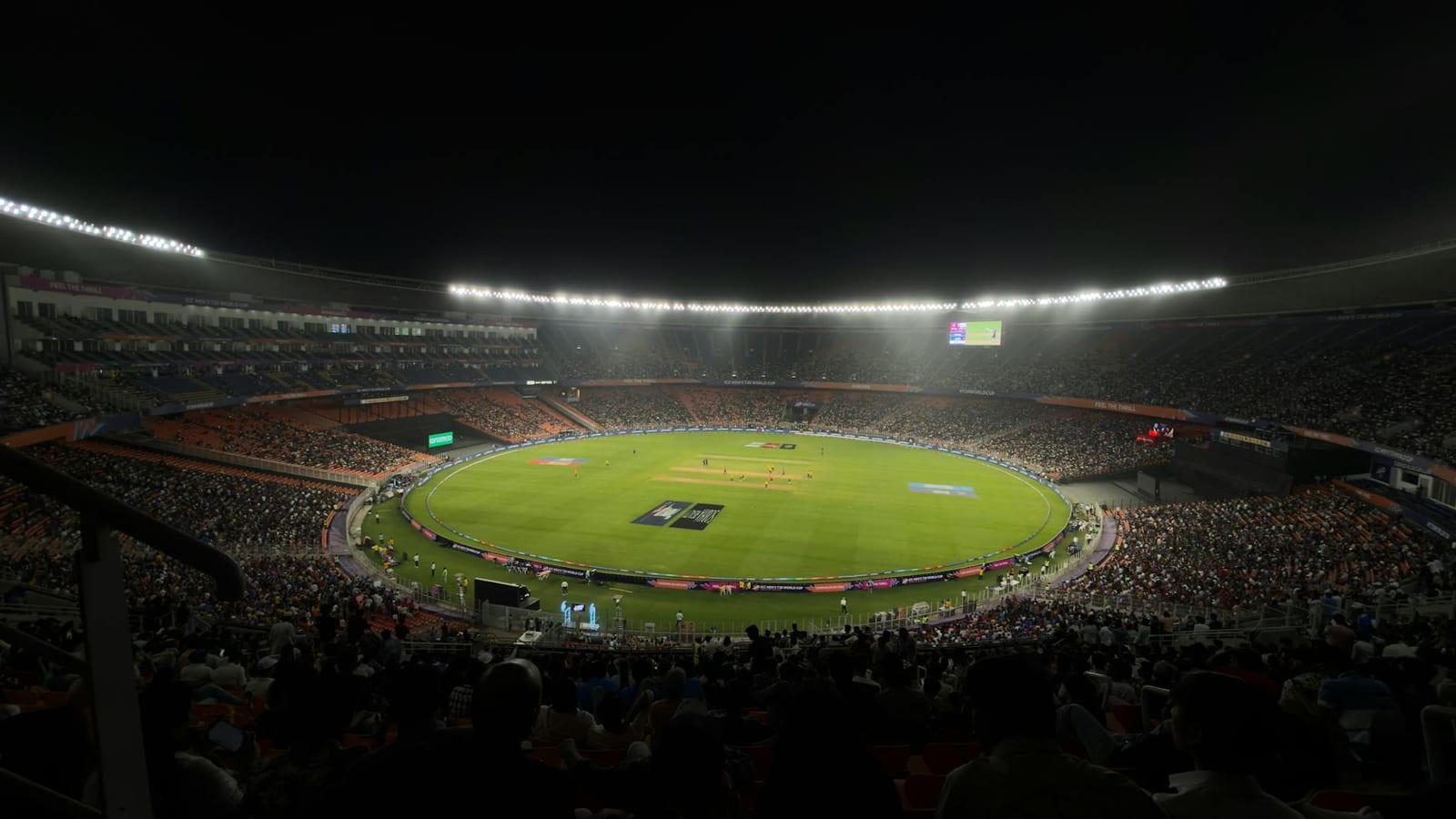
In 250 villages across Punjab on the same day, the same sound rang out: the crack of a cricket bat, the slap of a volleyball, feet pounding freshly laid tracks. That was Bhagwant Mann’s message to the state’s youth, delivered in the most direct way a chief minister can.
The Punjab government simultaneously inaugurated 250 model rural sports grounds at an event in village Kalewal. Mann stated it plainly: these grounds are not just about sport. They are about keeping young people away from drugs.
That framing is deliberate, and it carries real weight in Punjab.
The state has lived with a drug crisis for over a decade. Every family in rural Punjab knows someone who has been touched by it. A young man from village Sabhra died of a drug overdose this very week, found outside the village after leaving home the previous evening. These are not statistics. They are headlines that repeat, week after week, year after year.
Mann’s calculation is straightforward. If a young man has somewhere to go in the evening, something to compete for, a team to show up for, the pull of the next fix weakens. Whether 250 sports grounds can shift that calculus meaningfully is a genuine policy question. But the scale being attempted is real.
By July 15, the government says 3,100 more such grounds will be inaugurated across the state. That number deserves a pause. Three thousand, one hundred village sports facilities, all within weeks. Even accounting for the optimism that colours government announcements, a fraction of that delivered would represent the most significant rural sports infrastructure push in Punjab’s recent history.
The plan is not just to build grounds. The word Mann used is “connect”, to connect youth to sport. That means coaching, equipment, regular competition, and the social scaffolding around which athletic identity forms. Whether those elements follow the brick and mortar remains to be seen. Grounds get built. Leagues do not always follow. Coaches are promised. They do not always arrive. That is where most such schemes have fallen short in the past.
Still, the intent echoes something that Punjab’s rural sports culture has always understood better than any policy paper: that sport in this state is not a hobby. It is identity.
Cricket is religion here, but Punjab’s real sporting soul runs through kabaddi. Villages take their kabaddi teams seriously. Inter-village matches draw crowds that dwarf anything a local cinema can offer. The state has produced wrestlers, boxers, athletes, and cricketers who have represented the country at the highest levels. That culture needs infrastructure, and infrastructure has been uneven, concentrated in cities and district headquarters while smaller villages made do with open fields.
The Master Premier League, a cricket tournament that concluded this week, offered a glimpse of how quickly local talent can flourish when given a proper stage. Ajanta Warriors beat Yeshav Night Riders by 10 wickets to claim the title. The margin says everything. Winning by 10 wickets means chasing down a target without losing a single wicket. That is not just a victory, it is a statement.
The standout performance came from Buggi Ratia, who struck 43 runs off just 10 balls. A strike rate of 430. In the context of a local tournament where pitches are inconsistent and conditions vary wildly, that kind of clean, fearless hitting is extraordinary. It is precisely the kind of player that better infrastructure can either develop further or leave behind.
The link between rural facilities and elite performance is not abstract. Most of the cricketers who have gone on to represent Punjab in the Ranji Trophy, and some who have worn the Indian jersey, grew up playing in exactly these conditions: rough grounds, improvised pitches, fierce local competition, and very little formal coaching. Infrastructure raises the ceiling. It tells a young player from a village near Sangrur or Hoshiarpur that there is a formal pathway from here to somewhere bigger.
That is the longer-term argument for this investment. The immediate argument remains the drug crisis.
Punjab’s Anti-Gangster Task Force this week arrested a shooter linked to the killing of kabaddi promoter Kanwar Digvijay Singh, known as Rana Balachauria. The arrest came from Agartala in Tripura, in a joint operation with central agencies and Tripura Police. Balachauria’s death is a reminder that Punjab’s sports world is not insulated from the organised crime networks that have embedded themselves across the state. Kabaddi, which draws large crowds and large bets, has become an attractive arena for those networks.
The answer to that pressure is not to retreat from sport but to build a version of it that is clean, structured, and genuinely accessible. More grounds, more leagues, more young people with something to compete for and something to protect. That is exactly the bet Mann is making.
The question Punjab will answer over the next several years is whether the state can back the announcement with the follow-through it has rarely managed before. The grounds are a start. What fills them will matter far more.
Three thousand, one hundred new reasons to lace up. The state needs every single one of them to count.