AI Bets Lift Wall Street Futures As Cisco Outlook Fuels Rally
US stock futures rose as AI optimism returned to Wall Street, with Cisco's stronger forecast and pre-market surge reinforcing investor faith in tech spending.
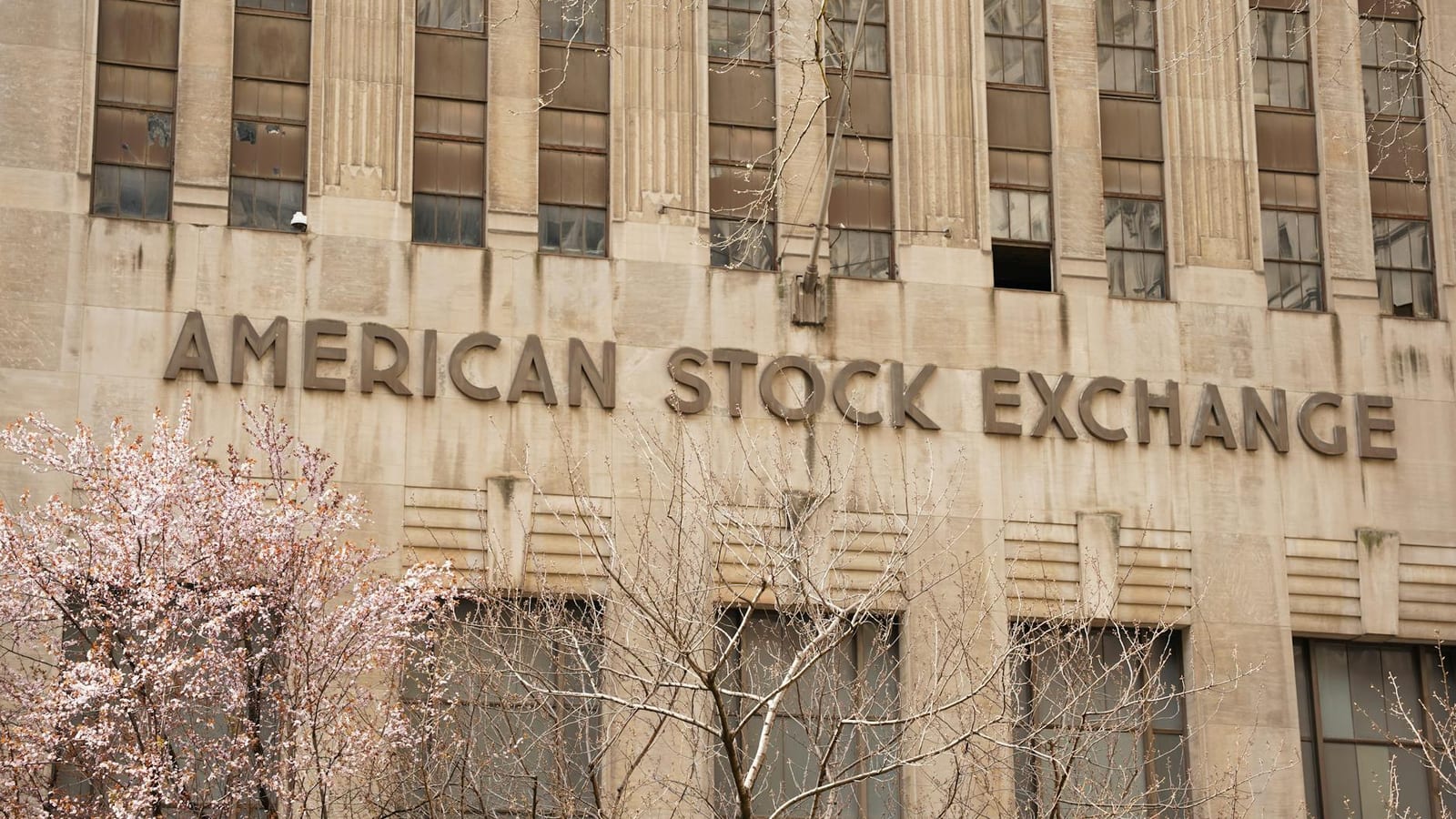
A strange thing is happening on Wall Street. Oil is above $100, inflation is biting again, geopolitics looks messy, and yet investors are still buying.
The reason sits inside two letters, AI. The latest rally in US stocks shows how deeply artificial intelligence has entered market thinking. For Indian investors with global funds, tech-heavy mutual funds, or Nasdaq exposure, this is no distant drama.
On Thursday, futures tied to the Nasdaq 100 rose 0.7 percent. S&P 500 futures gained 0.2 percent after a record close. Dow Jones futures climbed 0.8 percent.
AI stocks carry Wall Street higher
The big force behind Wall Street remains artificial intelligence. Investors now see AI spending as a multi-year corporate story, not just a market fad.
That belief gained fresh fuel after Cisco Systems reported stronger third-quarter numbers and raised its sales forecast. Its shares jumped as much as 17 percent in pre-market trade.
Cisco also said it would cut 4,000 jobs as it pushes harder into AI infrastructure. That sentence tells the real story. Companies are not only buying AI tools. They are reshaping themselves around them.
For workers, that is the uncomfortable side of the AI boom. Markets cheer cost cuts because they improve margins. Families facing job losses see the same announcement very differently.
Nvidia also rose in pre-market trade, extending its winning run. The chipmaker has become the market’s favourite shorthand for AI demand.
But the rally has narrowed. A small group of AI-linked companies is doing much of the heavy lifting. That can lift index returns, while many ordinary stocks quietly lag behind.
Strong profits calm nervous investors
S&P 500 companies have delivered much better earnings than analysts expected. First-quarter profits have risen 27 percent so far, against expectations of about 12 percent.
That matters because earnings are the market’s anchor. A share price can rise on excitement for a while. Over time, companies must show profit growth.
Right now, investors believe AI spending will keep feeding profits. Cloud companies need chips, servers, networking gear, cooling systems, and power. That spreads the AI trade beyond software.
For Indian investors, this matters through international funds and exchange-traded funds. A ₹5 lakh holding in a US technology fund can move sharply when these stocks rise or fall.
But there is a catch. If five or six giant companies drive most gains, portfolios can look safer than they are. The headline index may smile while the broader market looks tired.
That is why retail investors should watch market breadth. In plain English, it means checking whether many stocks are rising, or only a famous few.
Oil and inflation refuse to leave
The AI party is running alongside a very old market worry, crude oil. Brent crude hovered near $104 a barrel after touching $107. US West Texas Intermediate crude traded around $100.
Oil had jumped earlier after data showed a sharp fall in global inventories. Saudi output also dropped steeply, adding to fears of tight supply.
For India, this is the part that hits home quickly. India imports most of its oil. When crude stays high, pressure builds on petrol, diesel, transport, and the rupee.
A kirana store owner may not track Brent crude every morning. But higher freight costs can still show up in biscuit packets, cooking oil tins, and vegetable prices.
Inflation in the US has also become stickier. Wholesale inflation accelerated in April, helped by higher energy costs. That has pushed traders to expect a possible rate hike from the Federal Reserve.
When US rates stay high, money often moves toward dollar assets. That can pressure emerging markets, including India. It can also make foreign borrowing more expensive.
For Indian households, the chain is indirect but real. A stronger dollar can make imports costly. Costlier imports can feed inflation. Inflation then affects savings, loans, and daily budgets.
Trump-Xi talks shape sentiment
Markets also watched the meeting between Donald Trump and Chinese President Xi Jinping. The White House and Chinese state media said the talks lasted about two hours.
Investors hoped the meeting could ease trade tensions between the two largest economies. They also watched for signals on Iran and the Strait of Hormuz.
The Strait of Hormuz matters because a large share of global oil moves through it. Any disruption there can shake energy markets fast.
Reports suggested some ships had crossed the strait, helping oil prices cool from earlier highs. Even a small sign of movement can change market mood when supplies look tight.
But markets are also making a political bet. Many traders now assume aggressive trade threats may soften if stocks fall too much.
That assumption can be dangerous. Politics does not always follow market logic. A sudden tariff fight or military shock can still hit portfolios hard.
What Indian investors should watch
For Indian investors, the US market rally offers both opportunity and risk. AI remains a powerful theme, but the price of hope has already risen.
Cisco’s jump shows how quickly markets reward companies that promise AI growth. Its job cuts also show how ruthless that transition can become.
The bigger lesson is simple. AI is no longer just a technology story. It is now a profits story, a jobs story, an energy story, and a rates story.
Investors should watch three signals from here. First, whether AI companies keep delivering earnings. Second, whether oil stays near $100. Third, whether the Federal Reserve sounds more worried about inflation.
If oil cools and earnings stay strong, the rally can stretch further. If inflation hardens, rates rise, and AI spending slows, the same crowded trade can reverse quickly.
For ordinary Indian savers, the message is not to avoid global stocks. The message is to know what you own. A fund labelled “global” may still depend heavily on a few US technology giants.
The market loves a big story, and AI is the biggest one on the table. But good investing still comes down to balance. Keep one eye on the dream, and the other on the bill.