Saif Ali Khan's ₹800 Crore Palace and Bollywood's Royal Inheritance
Saif Ali Khan's Pataudi Palace in Haryana is valued at ₹800 crore, spotlighting how Bollywood families navigate their inherited royal estates.
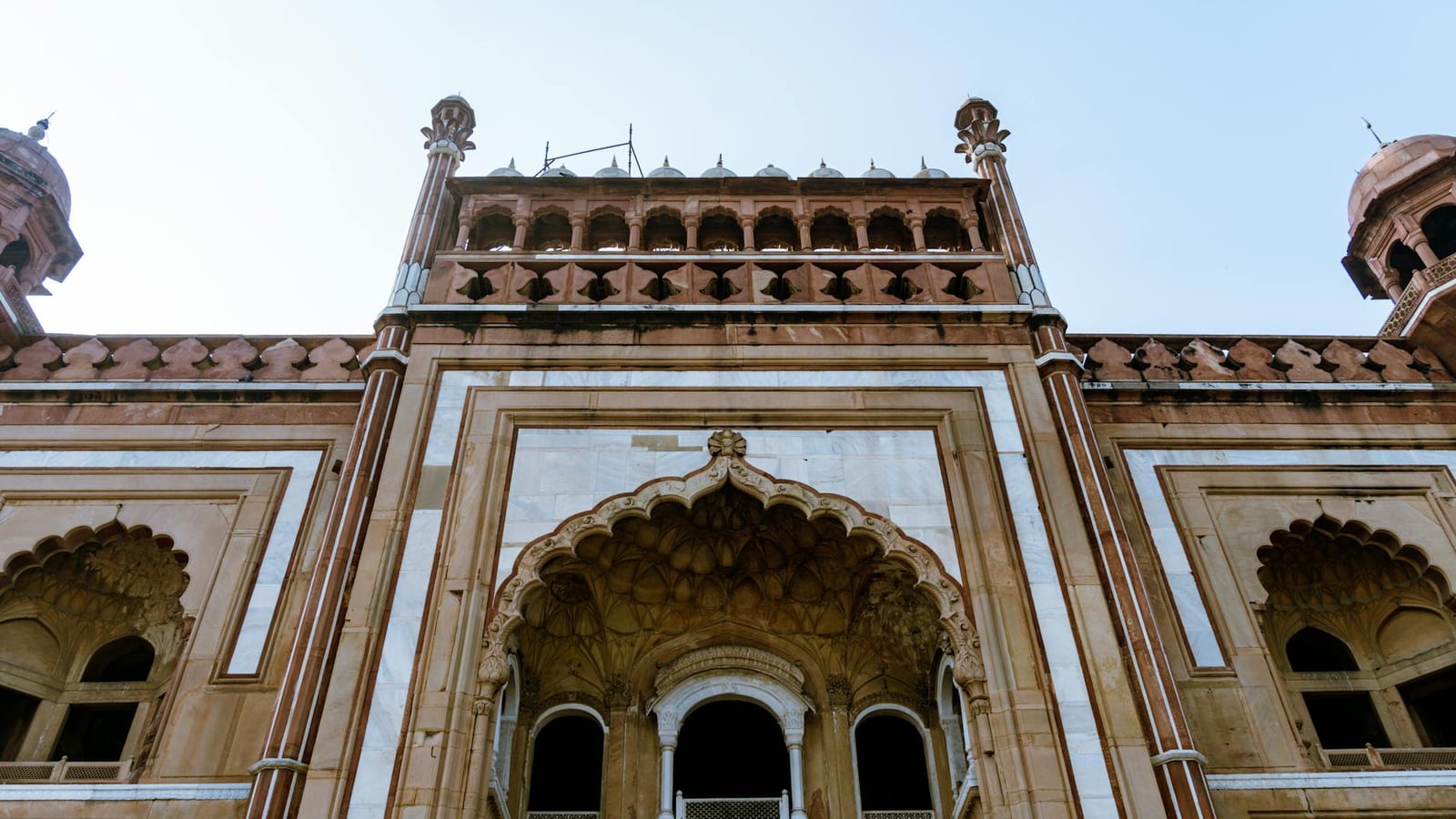
Eight hundred crore rupees. That number, attached to a single property in a town most Indians couldn’t point to on a map, tells you everything about the peculiar intersection of old royalty and new Bollywood money.
Saif Ali Khan’s ancestral haveli, valued at ₹800 crore, has been doing the rounds in feature coverage this week, and the figure alone is enough to make anyone pause over their morning chai. But what makes this story genuinely interesting is not the number. It is what this property represents for a generation of film families that inherited assets built by nawabs and cricket legends, and are now figuring out what to do with them.
The Pataudi Palace in Haryana, roughly 60 kilometres southwest of Delhi, is not a showroom acquisition. It was built in the 1930s by the royal family of the princely state of Pataudi. Saif’s father, Mansur Ali Khan Pataudi, the celebrated Indian cricket captain, grew up within its walls. When Tiger Pataudi passed away in 2011, the property passed to Saif, along with everything that comes attached to maintaining a colonial-era palace in a country where such structures demand constant, expensive attention.
This is the part that rarely makes it into the breathless coverage. Owning something worth ₹800 crore and actually running it are entirely different propositions. A property of this scale requires round-the-clock caretaking staff, structural restoration that old stonework and lime plaster constantly demand, and the kind of annual maintenance budget that would fund several film productions. Heritage properties in India exist in a permanent negotiation between their symbolic value and their practical cost.
For Indian audiences, the allure is understandable. The Pataudi family sits at a rare confluence. They straddle cricket royalty, Bollywood stardom, and actual aristocratic lineage, a combination almost no other family in Indian public life can claim. Saif is the son of a cricket legend and a Bollywood icon (Sharmila Tagore), married to one of the biggest stars of her generation in Kareena Kapoor Khan. Their children grow up as the fourth generation of a family that has been in the national conversation since before Independence.
The ₹800 crore valuation, reported this week, reflects both the land value and the heritage premium attached to a structure of this historical significance. Comparable estates in Rajasthan and Haryana have been converted into heritage hotels, generating revenue that covers their upkeep and then some. The model has worked well for the Taj Group and Heritage Hotels Association properties scattered across the country. Whether the Pataudi estate will go that route, remain a private residence, or find some other purpose is not something the family has publicly committed to, at least not recently.
What is notable is the timing of this renewed attention. Indian audiences have developed an increasingly sophisticated interest in exactly this kind of asset class over the past several years. Luxury properties tied to famous names draw a level of public curiosity that straightforward real estate news never achieves. When Saif’s South Mumbai apartment reportedly featured in news around a break-in earlier this year, the story attracted national coverage not primarily because of the crime, but because of the address and the family name.
This dynamic speaks to something broader about how entertainment celebrity functions in India today. A star’s property portfolio has become as much a part of their public identity as their filmography. For the fan economy, these details are not trivial. They are a way of tracking a family’s trajectory across generations, measuring whether the glamour is holding, whether the dynasty is ascending or contracting.
The Pataudi family’s position looks secure by any reasonable measure. Saif remains active on screen, with recent projects across different genres. Kareena Kapoor Khan is arguably one of the most commercially reliable names in Hindi cinema, with a social media following and brand endorsement roster that places her at the very top of the industry. Their son Taimur has already become something of a cultural event in himself, which is a strange but predictable outcome of growing up in that particular spotlight.
But the haveli at Pataudi is in a different category from their Mumbai life entirely. That structure belongs to an older India, one of nawabs and cricket tours to England and black-and-white film magazines. It carries the weight of the Pataudi name in a way that no flat in Bandra or building in Juhu ever could.
For ordinary people watching this story from a distance, the ₹800 crore figure is jaw-dropping but somewhat abstract. What is more tangible is the question embedded in it: what do you do with a legacy so large and so specific that it almost cannot be used? Heritage comes with obligations. It demands custodianship, investment, and decisions about whether a family stays rooted in the history that made them famous or lets it quietly depreciate.
The families who have handled this well, whether in the royal circuit of Rajasthan or the landed families of Bengal, are the ones who treated their ancestral properties as living institutions rather than passive assets. The ones who struggled are the ones who either sold too early, out of financial pressure, or held on too long without a plan, until the structure started crumbling faster than the revenue could repair it.
Where the Pataudi Palace ends up in that story is still being written. But ₹800 crore in the headline ensures that plenty of people will be paying attention to the next chapter.