Umesh Jagtap recalls Mitali Mayekar wedding bond
Marathi actor Umesh Jagtap says his on-screen father-daughter bond with Mitali Mayekar turned real during her wedding kanyadaan ceremony.
A television set can look glamorous from the outside. Inside, it often runs like a small factory, with actors spending 14 or 15 hours together, day after day.
That is why some screen relationships do not end when the director calls cut for the last time. For Marathi actor Umesh Jagtap, one such bond became deeply personal.
Jagtap recently spoke about performing the kanyadaan at actress Mitali Mayekar’s wedding, alongside her father. His words touched a nerve because they said something larger about the entertainment business. Workplaces can be transactional. But long-running television sets often become second homes.
A reel father became real
Jagtap and Mayekar worked together on the Zee Marathi serial Ladachi Mi Lek Ga. He played the father of Mayekar’s character Kasturi.
On paper, it was just another casting decision. In practice, daily television is not like a film shoot that begins and ends quickly. Actors spend months together, often more time with co-stars than with their own families.
Jagtap said the father-daughter bond from the show slowly moved into real life. Mayekar, he said, began treating him like a father beyond the set too.
That is not unusual in Indian television. A serial unit eats together, waits together, travels together, and often handles emotional exhaustion together. The camera catches the performance. The off-camera hours build the relationships.
The wedding moment that stayed
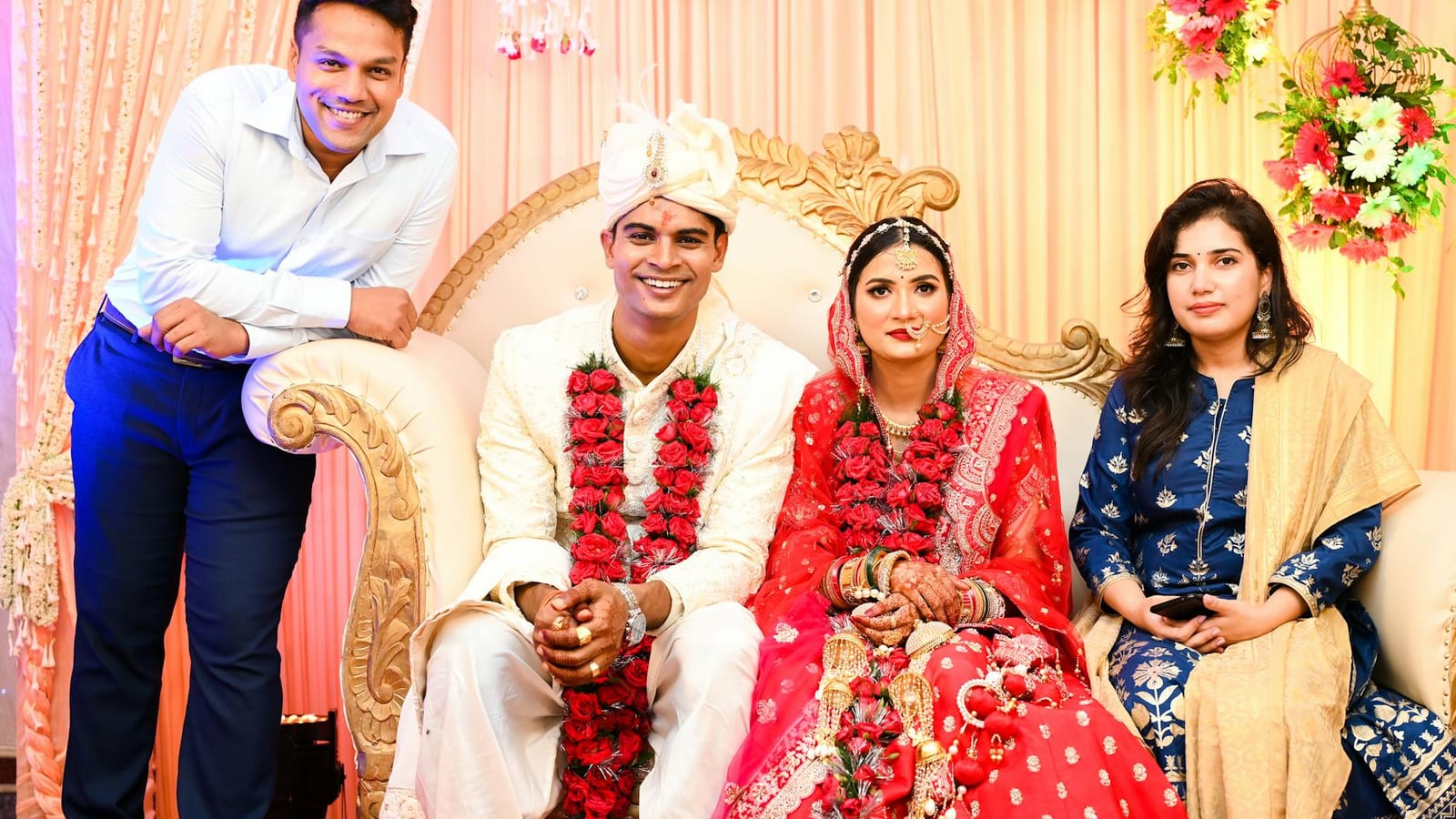
Mayekar married actor Siddharth Chandekar in 2021. At the wedding, Jagtap joined her father for the kanyadaan ceremony.
Kanyadaan carries heavy emotional weight in many Hindu weddings. It marks the moment when the bride’s family formally blesses her new life. For many families, it is tender, difficult, and deeply symbolic.
Jagtap said Mayekar herself asked him to take part. She called him “Baba” and asked him to do her kanyadaan. He accepted, and later described the moment with visible emotion.
He also spoke about his own life. He said he does not have children of his own. He considers his brother’s two children as his own, but Mayekar gave him another kind of fatherhood through their work.
That line explains why the story travelled so quickly. It was not just celebrity sentiment. It was about the strange kindness that work can sometimes give people.
What daily TV really demands
Indian television is a high-pressure business. Viewers see 22 minutes of drama. Behind it sits a daily machine of scripts, makeup, lighting, retakes, edits, and deadlines.
Actors in such shows often work long shifts. A family scene shot in the morning may need emotional intensity. A festive scene may need costumes, rituals, and crowd work. Then the same team returns the next day to do it again.
This creates closeness, but it also creates dependence. Senior actors often guide younger actors through timing, dialogue, public attention, and the insecurity of the profession.
In Mayekar’s case, Jagtap seems to have become more than a colleague. He became one of those people who carried the emotional atmosphere of the set.
That is why this story matters beyond entertainment pages. It shows how creative labour works in India. The industry sells emotion, but it also asks workers to live inside emotion for long hours.
Why viewers felt connected
After Jagtap’s interview clip circulated online, Mayekar responded with affection. She referred to him as her beloved father from the show.
That small comment mattered because audiences had already seen them as father and daughter on screen. The public often invests in serial relationships. When those bonds continue outside the show, viewers feel their affection was not entirely manufactured.
There is a business reason too. Television loyalty grows when audiences believe in the people behind the characters. Marathi entertainment, especially, has always leaned on familiarity. Viewers follow actors across serials, theatre, films, and public events.
This is different from pure star culture. It is more intimate. A television actor enters homes every evening. Over time, the audience stops seeing them as distant celebrities.
Jagtap’s story fits that pattern. It reminds viewers that the Marathi screen industry still runs on relationships as much as ratings.
The softer side of show business
The entertainment industry can be ruthless. Roles end. Serials go off air. Popularity shifts quickly. A face that is everywhere for one season can vanish the next.
Against that backdrop, lasting bonds feel rare. Jagtap said many actors lose touch after a show ends. But he and Mayekar kept their relationship alive.
He also praised her nature and maturity. He described her as someone who values relationships, not just as a talented actress.
That is a small detail, but it matters. In an industry built on short-term projects, emotional continuity becomes precious. It gives artists a sense of belonging that contracts cannot offer.
For younger actors, such bonds can offer stability. For senior actors, they can bring respect and affection that goes beyond professional credit.
The story also shows how Indian workplaces often mix formal and familial language. People call mentors “sir,” “dada,” “tai,” “baba,” or “ma’am.” Sometimes it is courtesy. Sometimes, as in this case, it becomes real.
Jagtap’s experience is touching because it was not planned by a channel, a producer, or a publicist. A scripted role opened the door. Life did the rest.
For ordinary viewers, that is the takeaway. Work can be tiring, uncertain, and often unfair. But sometimes, amid the long hours and deadlines, people still find family in unexpected places. In an industry that earns its money from emotion, this was one moment where the emotion did not need a script.