New Konkan bridge to cut Ratnagiri-Satara trip by 50 km
Maharashtra's completed Konkan bridge will open after the monsoon, cutting Ratnagiri-Satara travel by about 50 km and easing tourist trips.
A 50 km shortcut can change a weekend plan, a hotel booking, and a trader’s delivery bill.
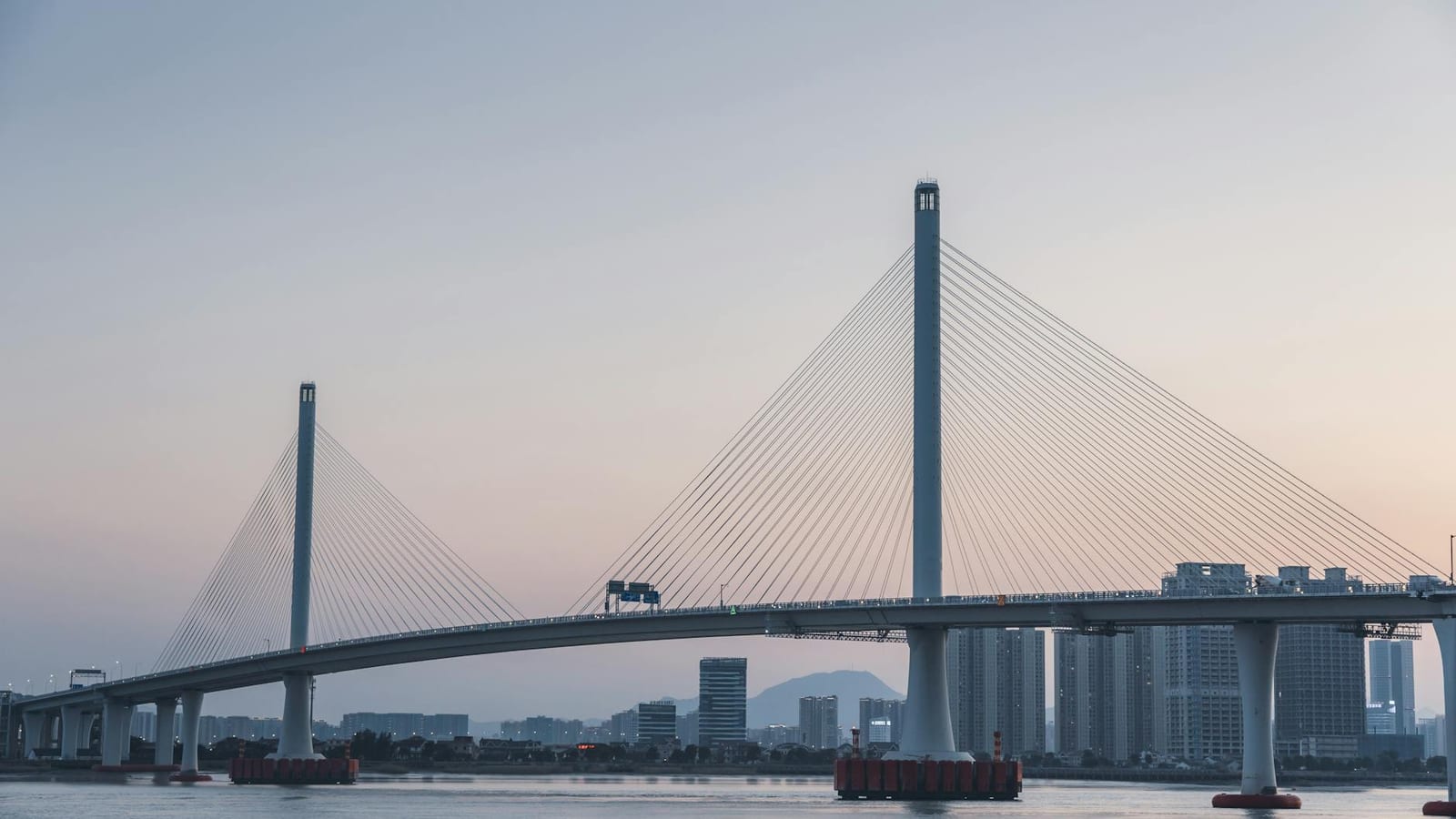
That is the simple promise behind Maharashtra’s new cable-stayed bridge linking Konkan with western Maharashtra. For families travelling from coastal Ratnagiri towards Mahabaleshwar, the route may soon feel less like a long hill journey and more like a doable drive.
The bridge between Khed side and the Tapola belt has now been completed. Officials say it will open for public use after the monsoon.
A shorter road to Satara
The project connects the Konkan side near Gadhavali Ahir with Tapola, near the Mahabaleshwar region. From there, travellers can move towards Satara through the Tapola and Kas route.
The biggest gain is distance. The new route is expected to cut about 50 km from the Ratnagiri to Satara journey.
Today, many travellers from Ratnagiri depend on the Poladpur and Ambenali Ghat route. Anyone who has used that stretch knows the drill. It is scenic, but slow, tiring, and difficult in bad weather.
The new bridge gives travellers another option through the Raghuveer Ghat side of Khed. For tourists, that means easier movement. For local businesses, it may mean faster supply runs and better access to customers.
What the ₹175 crore bridge offers
The bridge has cost ₹175 crore. It is 540 metres long and 14 metres wide.
Officials have described it as the first cable-stayed bridge of its kind in western Maharashtra. A cable-stayed bridge uses strong cables fixed to tall towers. These cables hold up the road deck.
This design is not just about looks. It allows engineers to cover wider gaps with fewer supports below. That matters in terrain where water, slopes, and valley conditions complicate construction.
The project also includes a 43 metre high viewing gallery in the middle. Visitors will be able to reach it through a capsule lift. Stairways will also be available on both sides.
The work was given to T and T, officials said. The bridge had first been proposed when Manohar Joshi served as chief minister. Deputy Chief Minister Eknath Shinde later pushed the project after becoming chief minister, and recently inspected the work.
Tourism gets a new route
The bridge is clearly a transport project. But it also has a tourism pitch built into it.
The viewing gallery will offer sights of the Koyna dam backwaters. Officials expect visitors to stop for sunrise and sunset views.
That detail matters for Mahabaleshwar, Tapola, and nearby villages. Tourism in hill and backwater areas does not depend only on big hotels. It feeds small restaurants, homestays, taxi drivers, fruit sellers, boat operators, and guides.
A shorter drive can make a big difference. A family that hesitates over a long route may choose a weekend trip. A small resort owner may see more last-minute bookings. A local driver may get more short-haul work.
There is also a business angle beyond tourism. Better roads often reduce the hidden cost of doing business. Traders spend less on fuel, drivers lose fewer hours, and goods move with fewer delays.
That does not mean every benefit arrives automatically. Roads bring traffic, and traffic needs planning. Parking, waste management, safety barriers, and local policing will decide whether the bridge stays an asset or becomes another crowded viewpoint.
More bridges across the valley
This bridge is part of a larger push in the region. Another bridge is being built between Dare village in Satara district and Bamnoli in the Koyna valley.
That second project is expected to cost ₹300 crore. Dare is Eknath Shinde’s village, and Bamnoli sits in a region where water crossings shape daily life.
For residents in Koyna and the Khandati valley, the bridge may offer a practical gain. During the monsoon, travel across Koyna backwaters by barge can become risky.
A permanent bridge reduces that dependence. It can help students, patients, farmers, and workers who cannot wait for perfect weather to move.
Officials also say another bridge is coming up between Bamnoli and Apti. Public Works Department engineer Ajay Deshpande said work on the Konkan and western Maharashtra bridge is complete, while the viewing gallery is in its final stage.
He also said three more bridge projects in the Koyna valley area are moving at speed. Put together, these works could redraw local travel routes across Satara, Ratnagiri, and the hill belt.
The real test starts after opening
For Maharashtra, this is the kind of infrastructure that looks small beside expressways and metros. But for local economies, such links can matter deeply.
A 50 km saving is not only a number on a signboard. It can mean a cheaper trip, a safer hospital run, a more predictable delivery, or one extra tourist season for a family-run business.
The bridge will open after the monsoon, when the region’s roads face their hardest test. Its real success will depend on maintenance, safety, traffic control, and whether nearby villages share in the gains.
If the state gets that right, this bridge will do more than connect Konkan and western Maharashtra. It will make distance feel a little less punishing for ordinary people.