Navi Mumbai airport flyers face new user fee from June
Passengers using Navi Mumbai airport may pay user development fees from June 1, adding Rs 742 on domestic trips and Rs 1,467 on overseas flights.
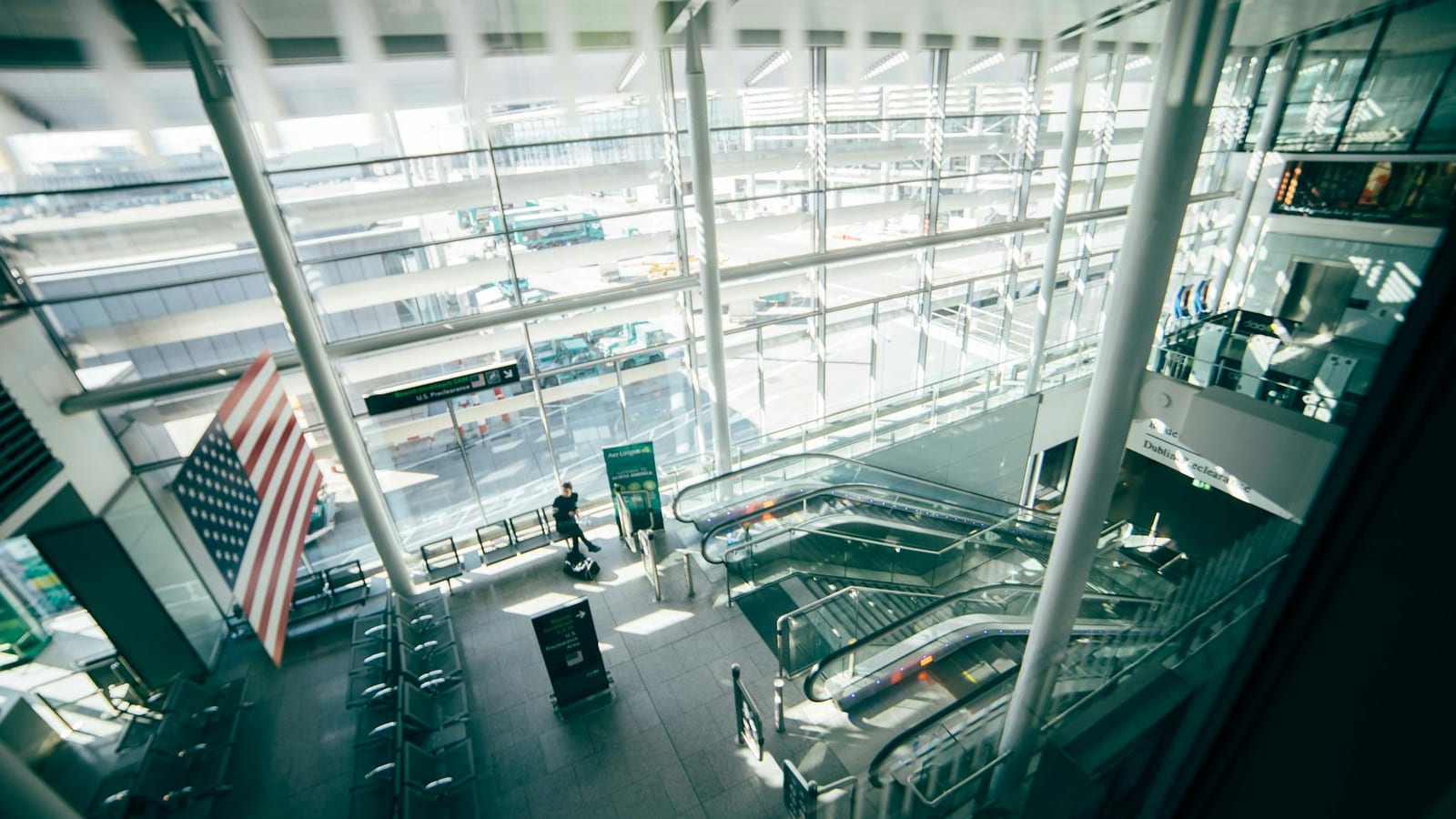
For a family planning a summer trip from Mumbai, the airport bill may soon sting before boarding begins.
From June 1, travel through Navi Mumbai airport is set to become costlier. The airport authority has proposed a user development fee of ₹742 for domestic passengers and ₹1,467 for international passengers.
That charge sounds technical. In plain English, it is an extra fee passengers pay to help fund airport infrastructure. Airlines usually collect it through the ticket.
Navi Mumbai airport gets pricier
The proposed fee matters because Navi Mumbai airport is not just another terminal. It is meant to ease pressure on Mumbai’s packed aviation system.
For passengers, though, the promise of smoother travel comes with a familiar catch. Better infrastructure often arrives with a bill attached.
A domestic flyer will look at ₹742 and think differently. For a single business traveller, it may pass quietly. For a family of four, it becomes almost ₹3,000 before taxes and airline charges.
International passengers face a sharper hit. A ₹1,467 fee per traveller can change the maths for students, tourists, and workers flying abroad.
Airports need money to build runways, terminals, security systems, and passenger facilities. But the timing always matters. Airfares already swing during school holidays, festivals, and long weekends.
This is why user development fees create a debate. Passengers want world-class airports. They also want tickets that do not feel like luxury purchases.
Transport costs are pinching families
The airport fee is not happening in isolation. Across Maharashtra, transport costs are under pressure.
The Maharashtra State Road Transport Corporation is still struggling financially, despite a 10 percent seasonal fare rise. April numbers show a loss of ₹76 crore.
That is a worrying signal. Out of 31 divisions, 21 saw a financial decline in April. This tells us the fare hike did not solve the core problem.
For ordinary passengers, this is the hard part. They pay more, but the service provider still bleeds money.
ST buses are not a niche service. They carry students, workers, senior citizens, traders, and families across towns and villages.
A small fare rise can hurt a daily commuter. But for the corporation, even that extra money has not been enough.
This gap points to deeper issues. Fuel, maintenance, staff costs, old buses, and uneven passenger demand all squeeze the system.
The lesson is simple. Raising fares can bring short-term cash. It cannot fix a weak transport business by itself.
Big projects, bigger bills
Mumbai’s infrastructure map is changing fast. Metro work, bullet train work, airport expansion, and road upgrades are all moving together.
The bullet train project is seeing progress in the city. Work on underground sections near Vikhroli and Sawli is expected to begin by the end of June.
The Mumbai stretch includes a 21 km underground route. Tunnel boring machine assembly is currently part of the preparation.
This is difficult engineering. It also means disruption, land coordination, high capital costs, and long payback periods.
Meanwhile, MMRDA projects continue to shape the metro network. Metro 11, from Wadala to Gateway of India, is moving toward underground utility survey work.
That survey sounds dull, but it is critical. Underground Mumbai is packed with cables, pipelines, drains, and old civic systems.
One wrong move can delay a project or damage essential services. So, before digging begins, agencies must map what lies below.
For businesses, these projects can be a blessing and a headache. Better transport helps workers, customers, and supply chains.
But construction also affects shops, traffic, parking, and delivery timings. Small businesses feel that pain quickly.
A shopkeeper near a worksite may support better metro access. But if customers stop coming for months, support becomes difficult.
Who pays for better mobility
The bigger question is not whether Mumbai needs better infrastructure. Of course it does.
The real question is who pays, when, and how much. That question sits behind the airport fee, ST losses, and metro construction.
User fees push part of the cost to passengers. Fare hikes push it to commuters. Government funding pushes it to taxpayers.
None of these choices is free. Each one hits a different pocket.
For middle-class travellers, the airport fee will be most visible during booking. A ticket that looked affordable may feel less attractive at checkout.
For bus passengers, the pain is more regular. They feel it in weekly and monthly travel budgets.
For taxpayers, the cost is less visible but still real. Public projects draw from state funds, loans, land value, and future revenue.
There is another issue here. Infrastructure benefits are shared, but costs often arrive unevenly.
A new airport helps airlines, hotels, logistics firms, cab operators, and real estate developers. But a passenger pays the fee at the gate.
A metro line lifts property value near stations. But a shop owner may first suffer years of barricades.
This is why agencies must explain charges clearly. People tolerate costs better when they see fairness and results.
They need clean terminals, reliable buses, safe stations, fewer delays, and honest timelines. Without that, every fee feels like another burden.
Mumbai is trying to build for the next few decades while its people pay bills today. That is the tension. Better transport can change daily life, but only if the cost does not push ordinary passengers to the edge before the benefits arrive.