Haifa missile strike threatens oil, gold markets
Hezbollah's Haifa attack and Israel's Lebanon strikes could raise oil, shipping and gold risks for Indian businesses, traders and households.
A missile fired near Haifa does not stay a Middle East story for long. It can travel, in another form, to India’s petrol pumps, shipping bills, gold prices, and stock portfolios.
Hezbollah said it fired 135 Fadi 1 missiles towards a military base south of Haifa, Israel’s third-largest city. Israel then hit back hard, saying its air force struck more than 120 Hezbollah targets in southern Lebanon within an hour.
The numbers sound distant and military. But for ordinary families, traders, and businesses, this is exactly how a regional war starts entering daily life.
Haifa attack raises the stakes
Hezbollah said Monday’s attack targeted an Israeli military base near Haifa. Israel’s military said rocket fire reached several Israeli areas by evening.
Reports from Israeli authorities said 10 people were injured in the Haifa region. Two more were reported injured in the south.
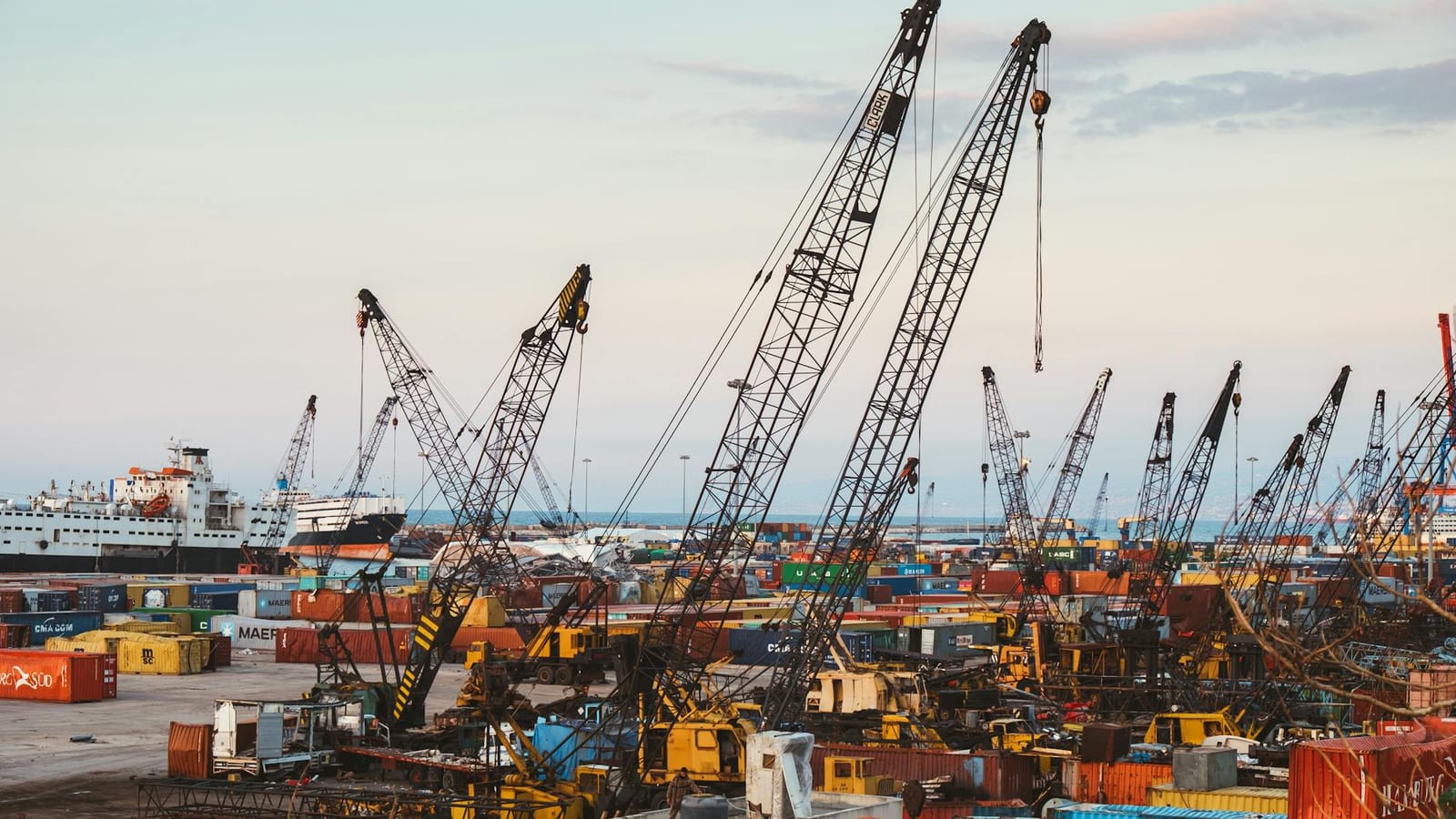
Haifa matters because it is not just another city on the map. It is a major urban and industrial centre, with ports, energy links, and civilian neighbourhoods close to strategic assets.
That is why attacks near Haifa make markets nervous. Traders do not only ask who fired what. They ask whether ports, fuel routes, or commercial cargo could face disruption.
Israel’s military response was swift. It said the air force carried out a broad operation and hit over 120 Hezbollah sites in southern Lebanon within 60 minutes.
The message was clear. Israel wants Hezbollah to know that missile fire into deeper Israeli territory will invite a heavy reply.
Lebanon pays the civilian cost
Lebanon is already carrying the weight of a broken economy. Its currency collapse, banking crisis, and political paralysis have left families with very little cushion.
Now air strikes are adding another layer of fear. Lebanese official and security sources said Israeli strikes killed 11 people and injured 17 others.
Lebanon’s health ministry said six people died and 13 were injured in an Israeli strike on a residential building in Kayfoun village, in the Aley district of Mount Lebanon governorate.
Another Israeli strike killed five people and injured four others, according to Lebanese officials.
This is the part wars often hide behind military language. A “target” may sit near a road, a shop, or a family home. A strike can close a school, empty a market, or stop a small business from opening the next morning.
For Lebanon’s working class, each fresh round of bombing means lost wages and higher prices. A shopkeeper cannot plan inventory when roads are unsafe. A driver cannot earn if fuel costs jump or routes close.
That pain may not appear immediately on a market screen. But it quietly reshapes lives.
Iran and Hamas widen the frame
Hezbollah is backed by Iran and allied with Hamas, which has been fighting Israel in Gaza. That link makes this conflict larger than a border clash.
Iran’s Supreme Leader Ayatollah Ali Khamenei marked the anniversary of the October 7 attack by Hamas on southern Israel. He described that operation as a turning point for Palestinians.
Israel says Hamas killed about 1,200 people during the October 7 attack and took more than 250 hostages. Hamas also fired thousands of rockets into Israel that day.
Since then, the war has spread across fronts. Gaza remains devastated. Lebanon has become more dangerous. Israel is fighting Hamas in Gaza and Hezbollah across the northern border.
For India, the worry is not only moral or diplomatic. It is also economic.
West Asia sits at the centre of India’s energy security. India imports most of its crude oil. A serious regional escalation can push oil prices higher, even before supply actually falls.
That matters because crude oil feeds into petrol, diesel, transport costs, airline fares, and factory expenses. When fuel becomes costly, almost everything else feels the pressure.
A kirana store owner in a tier-2 city may not follow Hezbollah’s missile count. But he will notice if transport bills rise. A young professional paying an EMI will notice if inflation stays sticky.
Markets watch oil and shipping
Wars do not need to shut an oilfield to shake markets. They only need to create fear that shipping routes or energy facilities may come under threat.
The eastern Mediterranean and the wider West Asian region link important trade lanes. Any escalation makes insurers, shipowners, and commodity traders more cautious.
That caution has a price. Ships may face higher insurance costs. Cargo may take longer routes. Fuel traders may charge more for risk. Importers may pay before consumers even understand why.
Indian companies that import chemicals, fertilisers, electronics parts, and energy products watch such conflict closely. Exporters also worry when shipping becomes costlier or slower.
Small businesses feel this later, but often harder. A large company can hedge prices or renegotiate contracts. A smaller manufacturer usually has less room.
For the stock market, the first reaction is usually simple. Oil-sensitive sectors come under pressure. Airlines, paints, chemicals, and logistics firms can face cost worries.
Gold often gains during such crises because investors treat it as a safer asset. The rupee can come under pressure if oil prices rise and India’s import bill grows.
None of this means panic is automatic. Markets can digest short bursts of violence if they believe the conflict will stay contained.
The real fear is a wider war involving more countries, more direct Iranian action, or attacks on critical energy routes. That is when business uncertainty becomes a household problem.
India’s tight diplomatic walk
India has interests on every side of this conflict. It has strong ties with Israel in defence, technology, agriculture, and innovation.
It also has deep energy and labour links with West Asia. Millions of Indians work across the Gulf, sending money home to families in Kerala, Uttar Pradesh, Bihar, Telangana, and other states.
Even when fighting stays outside Gulf countries, anxiety travels fast among migrant workers. Families in India follow the news closely when missiles fly across the region.
New Delhi usually tries to keep its public line balanced. It condemns terrorism, calls for civilian protection, and pushes for de-escalation.
That balancing act is not just diplomacy. It is economic management. India needs stable oil flows, safe sea routes, and secure jobs for its citizens abroad.
The government also has to watch inflation. If crude prices climb sharply, it can upset household budgets and complicate interest-rate decisions.
For businesses, the sensible move now is not alarm, but attention. Companies exposed to fuel, shipping, or imported inputs will watch prices, freight charges, and delivery timelines closely.
This conflict has now crossed another line in perception. Hezbollah has shown it can send a large barrage towards Haifa. Israel has shown it will respond with speed and scale inside Lebanon.
For Indian readers, the lesson is simple. A war far away can still enter the monthly budget. It may arrive as dearer fuel, delayed goods, weaker markets, or nervous relatives waiting for calls from West Asia. The next few weeks will show whether this remains a dangerous exchange, or becomes a wider shock that ordinary people end up paying for.