El Nino Threatens Monsoon And Food Prices In India
NOAA sees an 82% chance of El Nino by June, raising risks for India's monsoon, crop output, food inflation and rural demand this season.
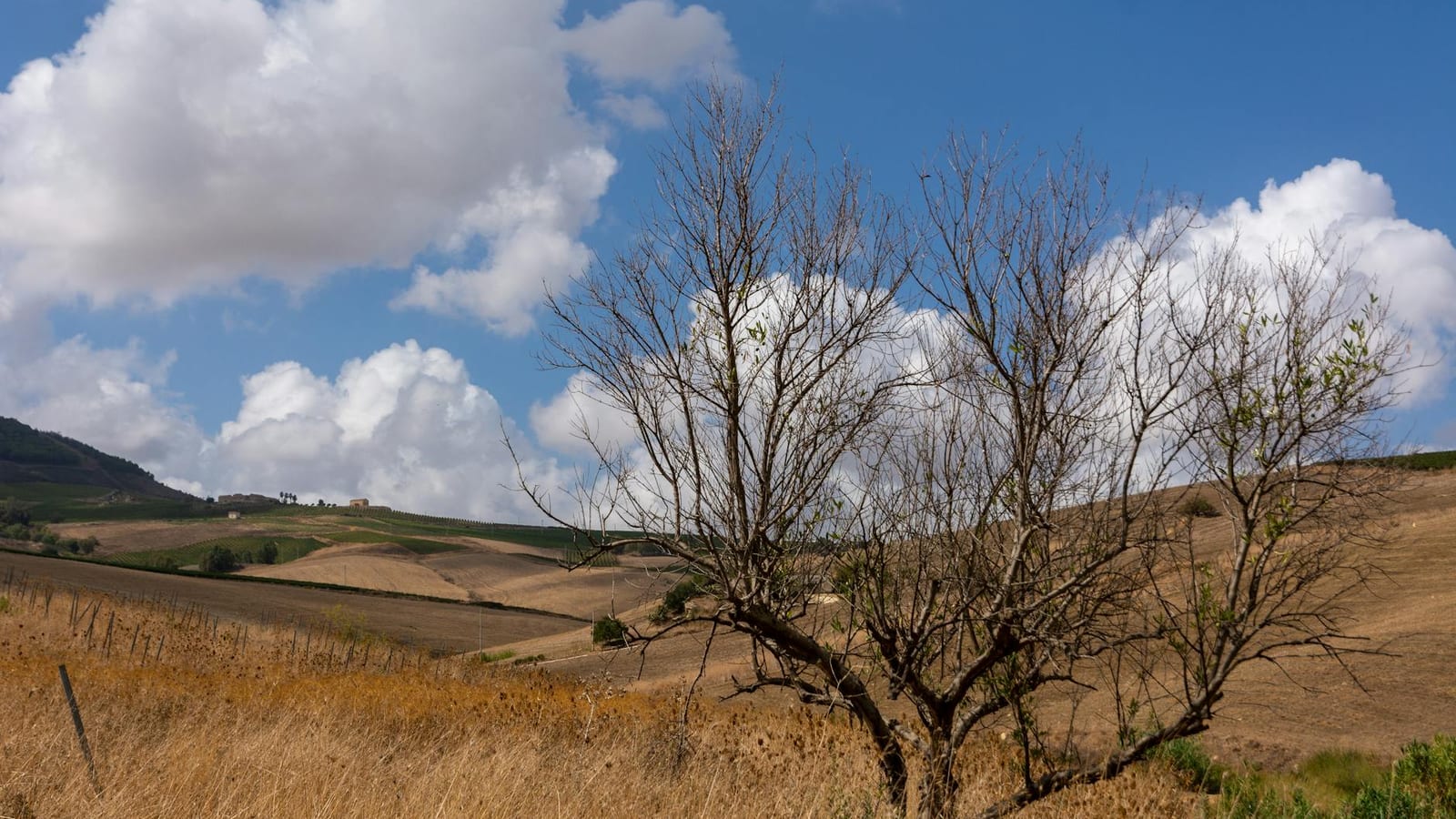
The first warning sign for India’s economy may not come from Dalal Street. It may come from warm water thousands of kilometres away.
The NOAA Climate Prediction Center has raised the probability of El Nino forming in June to 82 percent. That timing matters. June is when India starts looking to the skies, not just for rain, but for crop output, food prices, rural demand, and inflation relief.
For a farmer waiting to sow, a weak monsoon is not a weather headline. It is a cash-flow problem. For a city family, it can show up later as dearer vegetables, tighter budgets, and higher interest-rate anxiety.
El Nino could arrive early
El Nino begins when parts of the equatorial Pacific Ocean turn warmer than usual. That warm water changes wind and rain patterns across large parts of the globe.
In simple terms, it can pull moisture away from the Indian monsoon system. When that happens, rainfall over the subcontinent can weaken or become patchy.
The latest forecast says neutral conditions in the Pacific may soon shift into El Nino. Sea surface temperatures there have risen for five straight months.
The forecast also says El Nino may stay active through the northern hemisphere winter. That covers December 2026 to February 2027. The probability for that phase has been placed at 96 percent.
This is why forecasters are watching June closely. If El Nino forms at the start of the monsoon, its shadow can fall over the full rainy season.
Why the monsoon matters to business
For India, the monsoon is still an economic event. It fills reservoirs, supports crops, cools cities, and shapes rural spending.
A good monsoon helps farmers buy seeds, fertiliser, tractors, motorcycles, and household goods. A poor one forces them to delay spending and protect cash.
That matters for companies far beyond agriculture. FMCG firms, two-wheeler makers, rural lenders, fertiliser companies, and consumer goods players all watch rainfall maps like balance sheets.
Food inflation is the other big risk. If rains fail in key growing belts, prices can climb quickly. Pulses, vegetables, cereals, sugar, and edible oils can all feel the pressure.
For urban households, that means grocery bills become heavier. For policymakers, it means inflation becomes harder to manage.
The Reserve Bank of India watches food prices because they shape public inflation expectations. If families see vegetables and staples getting costlier, they start expecting broader price rises.
That can complicate rate cuts. Even if fuel prices stay calm, food inflation can keep pressure on the central bank.
Forecasts differ on intensity
There is still uncertainty about how strong this El Nino may become. One European model had earlier pointed to a very intense event, with sea surface temperatures possibly rising 3 degrees Celsius or more above normal.
The NOAA forecast sounds more cautious. It suggests the Pacific could warm by about 1.5 to 2 degrees Celsius around November and December.
That may look like a small difference on paper. In climate terms, it is not small.
A weak El Nino in June and July may still allow parts of India to receive decent rain. A moderate phase in August and September can create bigger trouble, especially if sowing has already happened.
The forecast currently points to a weak El Nino in June and July. It may become moderate in August and September. From October onward, it could turn strong or even very strong.
That sequence is important for agriculture. Early rains help sowing, but late-season rain supports crop growth and reservoir levels. A break at the wrong time can hurt yields.
India has seen this pattern before. El Nino does not guarantee drought. But it often raises the odds of uneven rainfall.
That is the real business risk. Companies and governments can handle one weak spell. They struggle when rain arrives in bursts, skips regions, and distorts planting decisions.
Asia faces another pressure point
The El Nino threat also comes at an awkward time for Asia. Several economies already face strain from global trade uncertainty, high borrowing costs, and geopolitical tensions.
West Asia’s conflict environment has added pressure on energy security and shipping routes. A climate shock now can make food and fuel planning harder.
For poorer households across Asia, weather-driven inflation hurts faster than market volatility. Families may not track bond yields, but they notice rice, onions, cooking oil, and electricity bills.
El Nino can also affect marine life. Warmer oceans can damage fish habitats and disrupt coastal livelihoods.
That matters for fishing communities and seafood supply chains. It also matters for exporters, cold-storage operators, and small traders who depend on steady supply.
The forecast also raises concern for 2027. A strong El Nino year can push global temperatures higher. The following Indian summer may bring stronger heat waves.
Heat waves are no longer just public-health events. They cut worker productivity, raise power demand, and increase cooling costs for homes and businesses.
Construction workers, delivery riders, factory staff, and farm labourers face the sharpest impact. Their income often depends on daily work, not monthly protection.
If the 2027 monsoon arrives late after a hotter summer, stress can build across water, power, and agriculture. That is when weather becomes a balance-sheet issue.
What policymakers must watch
The first thing to watch is rainfall distribution, not just the national average. India can receive near-normal total rain and still face local distress.
A few large downpours can flatter the season’s numbers. But crops need timely rain across weeks, not one dramatic spell.
Reservoir levels will also matter. If dams fill well, the economy gets a cushion. If they remain low, drinking water, irrigation, and power planning become tougher.
The government will need sharper food-stock management if rains weaken. It may have to move quickly on imports, export limits, or buffer releases.
Those steps can calm prices, but they also affect farmers and traders. Export bans may help consumers, yet they can hurt growers expecting better prices.
That is the uncomfortable trade-off in every weak monsoon year. Protecting the buyer and protecting the farmer are both necessary. Doing both well needs speed and clean data.
Companies should also avoid reading El Nino as a single bad-news label. The impact will differ by crop, region, and timing.
A rural lender will care about borrower repayment risk. A food company will watch raw material costs. A power company will track cooling demand and hydro output.
For ordinary readers, the message is simple. This is not the time to panic, but it is time to pay attention.
If El Nino forms in June, the monsoon will need close watching week by week. The real story will unfold in fields, reservoirs, kirana bills, and electricity meters. Weather may look distant, but this year it could walk straight into household budgets.