CNG Price Rise in Pune Squeezes Auto Drivers, Fare Hike Looms
CNG prices in Pune rose overnight, squeezing auto rickshaw drivers' margins and raising the prospect of a fare hike for the city's daily commuters.
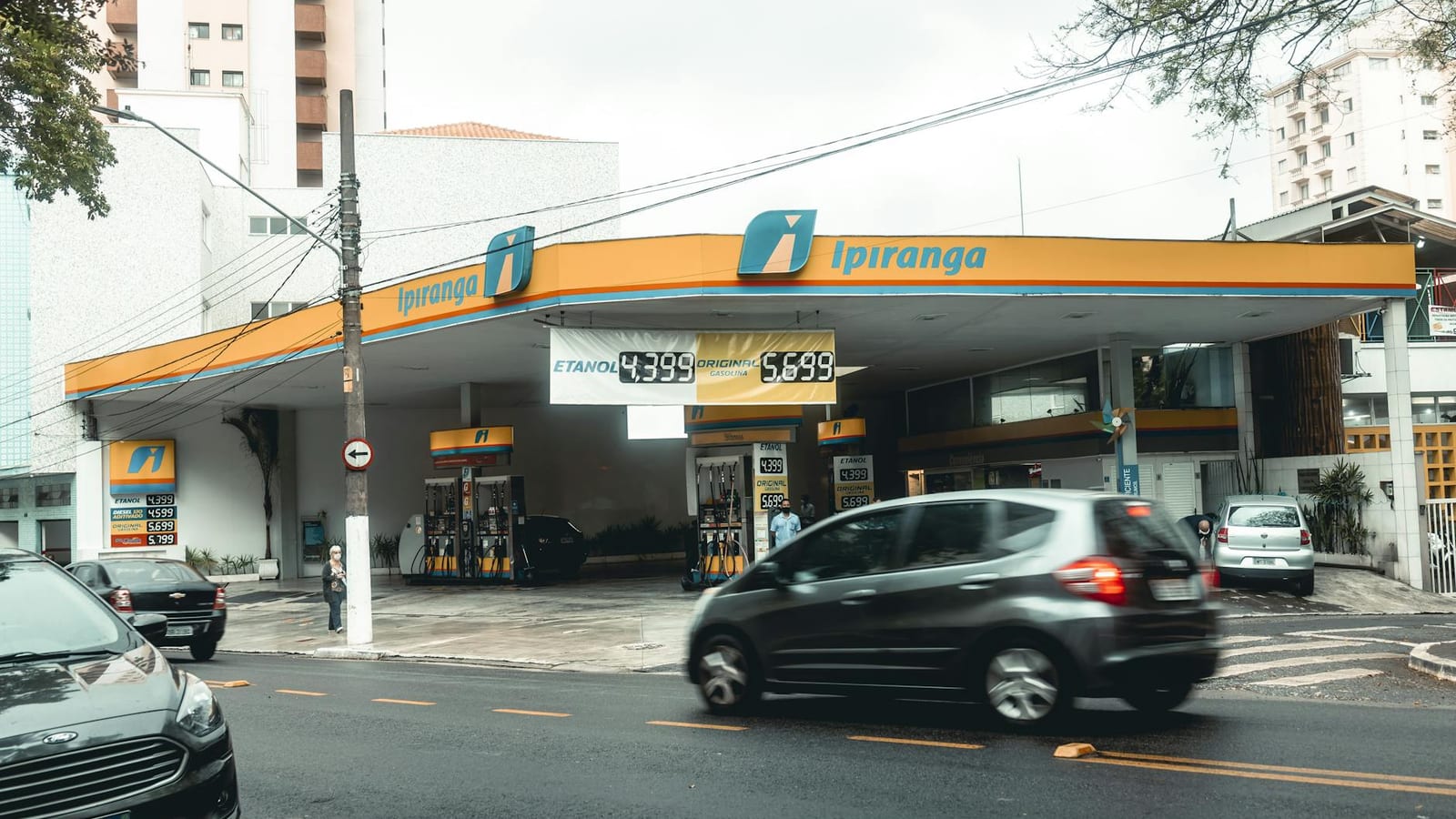
Every morning, Pune’s auto rickshaw drivers run a quick mental calculation before they pull out of the stand. Fuel cost, maintenance, the meter rate the government allows. When one of those numbers moves overnight, everything downstream shifts.
That calculation got harder this week. CNG prices in Pune rose, with the new rates kicking in from midnight. Auto drivers across the city woke up to squeezed margins on their first shift. And the city’s millions of daily commuters are now waiting to see whether fares will follow.
Why this hits Pune harder than most cities
Pune runs heavily on compressed natural gas. A substantial share of the city’s auto rickshaws, commercial vans, and app-based cabs use CNG rather than petrol or diesel. That’s partly state policy, partly basic economics: CNG has historically been cheaper per kilometre than petrol, and the Maharashtra Natural Gas network covers the Pune metropolitan area’s main corridors reasonably well.
When CNG prices move, the effect is not subtle. An auto driver running 150 to 200 kilometres a day sees every price increase translate directly into daily operating costs. The problem is that auto fares in Pune are metered, set by the regional transport authority, not by the fuel market. The meter doesn’t automatically adjust when gas prices go up. That gap between rising costs and fixed fares is the squeeze auto drivers live inside every time the gas price ticks upward.
Who absorbs the cost first
The driver does. At least for a while.
When fuel prices go up, drivers face an uncomfortable choice. They can absorb the margin hit and wait for a fare revision through official channels. Or they can informally charge extra and risk complaints and regulatory trouble. Most choose to absorb it first, then push for a government-approved revision through their unions.
Pune’s auto unions have been here before. After previous CNG price hikes, the unions typically file a representation with the Pune Regional Transport Office and begin a revision process that can drag on for weeks. The regional transport authority commissions a cost-of-operation study, runs the numbers, and eventually approves a revised tariff. Meanwhile, drivers manage on the old meter rate against the new fuel cost.
Drivers with loan EMIs on their vehicles feel this most sharply. Many of the city’s auto drivers bought their vehicles on finance, with fixed monthly repayments regardless of what gas costs on any given week. A fuel price hike doesn’t reduce those obligations by a paisa. It just compresses the margin further.
The same pressure applies to app-based cabs, where a large portion of the Pune fleet runs on CNG. Aggregator platforms adjust their dynamic pricing over time, but that adjustment isn’t instant and isn’t always sufficient to cover driver costs in the short term.
The commuter side of the equation
For Pune’s daily commuter, the immediate question is practical: will auto fares go up, and by how much?
Pune does not have the metro network coverage of Mumbai. Large portions of the working population, particularly those commuting from newer residential zones in Wagholi, Baner, Undri, Wakad, and the expanding periphery to employment hubs in Hinjewadi, Magarpatta, and Kharadi, depend on autos and app cabs for the first and last miles of every journey.
A fare revision of even ₹5 to ₹10 per trip adds up across a month. For households where two or three members commute daily, urban transport spending is already a meaningful line item in the monthly budget. It doesn’t sound like much trip by trip. Across a 25-day working month for a two-way commute, it is a noticeable shift.
The broader transport context in Pune right now
This price hike lands at an awkward moment for the city’s transport ecosystem.
Along the Paud Road corridor in Kothrud, simultaneous construction work on metro infrastructure, a bus depot, and a flyover has created some of the worst traffic conditions Pune has seen in years. Residents and commuters are already dealing with longer journey times, diverted routes, and severely reduced road capacity. A fuel cost shock on top of a congestion spike makes daily commuting more expensive and more stressful at the same time.
Maharashtra Natural Gas Limited, which distributes CNG in the Pune region, sets retail prices based on a combination of domestic gas field allocations, liquefied natural gas imports, and regulated margins. India’s city gas distribution sector has been through a volatile few years. Domestic natural gas pricing, which was deregulated onto a formula basis, has swung with global energy markets. Import costs for LNG tracked the sharp movements in international gas prices. Those upstream pressures eventually show up at the pump.
Pune, as one of Maharashtra’s largest CNG-consuming cities, reflects those pressures relatively quickly.
What comes next
Auto unions will likely begin the fare revision process with the regional transport authority if the CNG hike materially changes per-kilometre operating economics. That process takes time. In the gap before a revision is approved, drivers adapt. Some reduce daily running. Some prioritise longer rides over the short 2 to 3 kilometre hops that form the backbone of last-mile urban travel. That shift in driver behaviour reduces auto availability for the very commutes that matter most in the city.
For Pune’s commuters, the practical expectation is clear: some pressure on auto availability and informal fare negotiations over the coming weeks while the industry adjusts. For anyone budgeting monthly transport costs, a potential fare revision is worth planning for.
There is a larger point here that the city’s planners would do well to sit with. As long as Pune’s last-mile connectivity in its peripheral growth zones depends almost entirely on CNG-fuelled private operators, the daily commute will remain vulnerable to exactly this kind of fuel-price shock. Metro rail, where it eventually reaches these zones, changes that equation. But metro coverage in the outer precincts is still years away for most of the city.
Until then, the auto driver’s morning calculation and the commuter’s morning anxiety are two sides of the same unresolved problem.