Air India Adds Gujarati Meals On US-Bound Flights
Air India has added shikhand, puri and patra on US routes, reflecting an airline push to tailor cabin meals for Gujarati travellers.
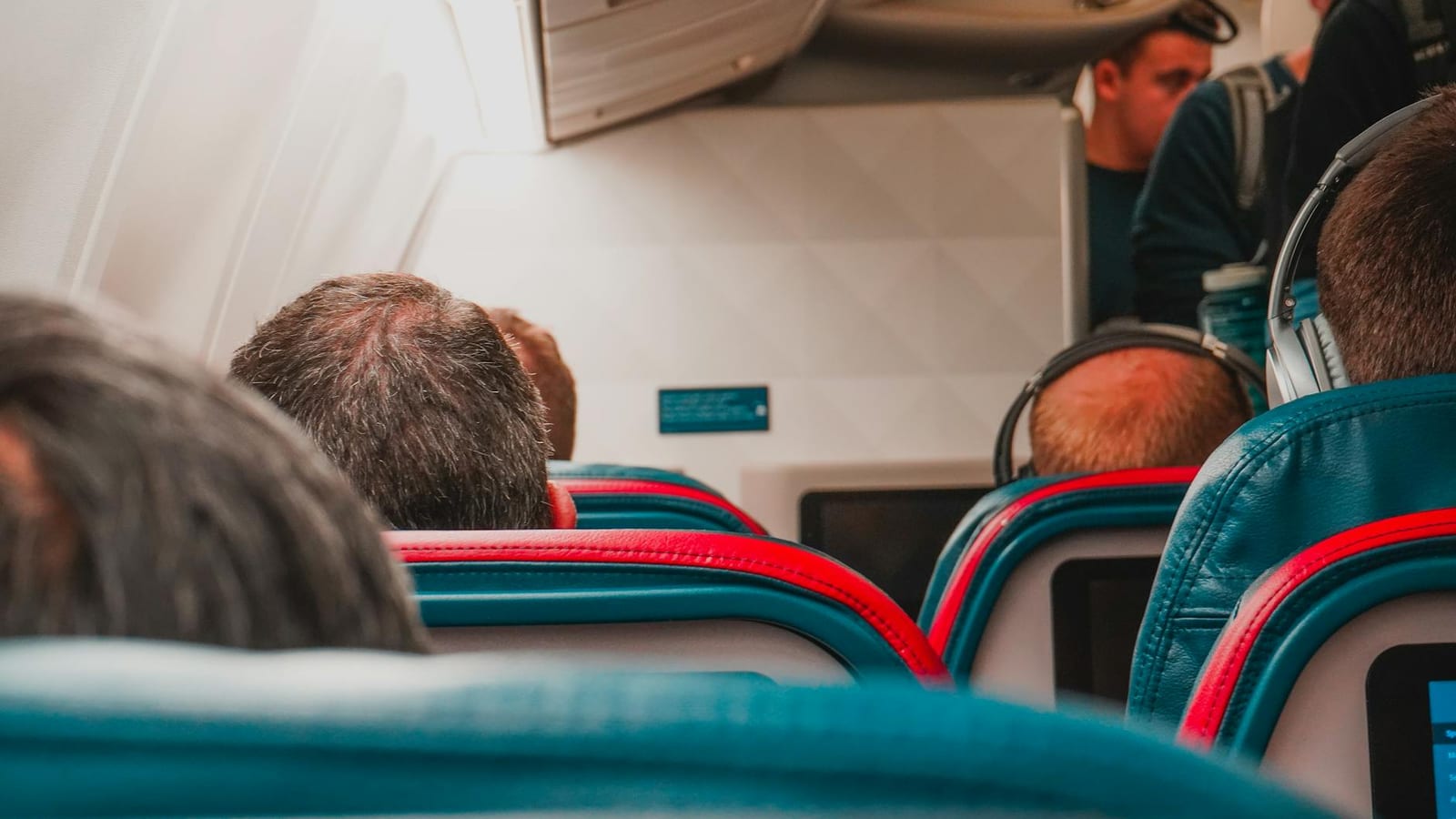
A long-haul flight can feel very lonely when dinner arrives in a plastic tray.
For many Gujarati travellers heading to America, food is not a small detail. It is comfort, memory, religion, routine, and sometimes the only familiar thing at 35,000 feet. So when shikhand, puri and patra found space on an America-bound airline menu, it said more than “meal upgrade”.
It showed how India’s aviation business is slowly learning a simple lesson. Passengers do not only buy seats. They buy recognition.
Gujarati food enters the cabin
Air India Limited added Gujarati dishes to its menu on flights to the United States after efforts linked to Dilip Shah, a Gujarat aviation figure often described locally as the state’s “aviation king”.
The dishes mentioned include shikhand, puri and patra. Any Gujarati family will understand the emotional weight here. These are not fancy hotel items pretending to be Indian food. They come from home kitchens, wedding thalis, Sunday lunches and festival tables.
For airlines, meal choices look like a back-office matter. For passengers, they shape the journey. A vegetarian traveller, an elderly parent, or a first-time flyer often judges the airline by this one question: did they feel looked after?
That is why this story matters beyond food. It sits at the meeting point of migration, business, culture and customer service.
Why airline meals matter
The India-US route carries students, tech workers, business owners, tourists, parents visiting children, and families moving between two lives. For Gujaratis, America has been a major destination for decades.
On these flights, the cabin becomes a small version of India. You will find young professionals with laptop bags, grandparents with medicine pouches, and parents carrying snacks “just in case”.
Airlines know this crowd is valuable. Long-haul international passengers pay more than domestic flyers. They also remember bad service for years. In a market where travellers compare fares online, small comforts can decide loyalty.
A regional meal does not change the aircraft. It does not shorten the flight. But it changes the mood. It tells the passenger that the airline has thought about who is sitting in the seat.
That is good business. It is also smart branding.
Air India’s larger challenge
Air India has been trying to rebuild its image after returning to the Tata fold. The airline has ordered new aircraft, worked on cabin upgrades, and spoken often about improving service.
But airlines do not win back trust only through big announcements. They win it one tray, one check-in counter, one clean seat, and one polite crew interaction at a time.
Food sits in that everyday zone. It is highly visible. It is also deeply personal. If the meal feels careless, passengers assume the rest of the system is careless too.
For Air India, regional food can help bridge a difficult gap. The airline carries India’s name, but India is not one taste. A North Indian vegetarian meal may not satisfy a Gujarati traveller. A generic curry may not comfort a Tamil family. A bland “Indian meal” often pleases nobody.
The better approach is local intelligence. Know the route. Know the passenger. Then design service around that reality.
The business of belonging
Gujarat has a special link with global travel. Its business communities have built networks across Africa, the United Kingdom, the Gulf and the United States.
That history shows up at airports. Ahmedabad, Mumbai and Delhi handle many families heading to American cities where Gujarati communities have strong roots. For them, travel is not rare anymore. It is part of family life.
This creates a real commercial opening. Airlines can compete through price, but price cuts hurt margins. They can compete through aircraft quality, but that takes years and huge capital. Service details move faster.
A Gujarati menu is one such detail. Tomorrow it could be better Jain meals, clearer regional vegetarian options, or festival-specific food on key routes.
The point is not tokenism. Passengers quickly spot that. The point is usefulness. If a meal solves a real need, people notice.
What Shah’s push signals
Dilip Shah’s role in getting Gujarati food onto the menu shows something important about aviation. Influence does not always come from boardrooms alone.
Regional business leaders, travel operators, community figures and frequent flyers often understand passenger pain better than corporate teams sitting far from the route.
They know what families ask before booking. They know why older travellers worry. They know which meals people carry from home because they do not trust the airline.
If airlines listen to these voices, they get cheaper market research than any consulting deck can provide.
Still, the hard part begins after the headline. Adding shikhand, puri and patra once is easy. Serving them well, safely and consistently on long flights is the real test.
Airline food must survive storage, reheating, altitude and strict safety rules. Shikhand needs temperature control. Puri must not become leathery. Patra must taste fresh enough to feel worth the effort.
That is where promise meets operations. In aviation, a good idea becomes valuable only when the system can repeat it.
For ordinary passengers, this is the small but meaningful takeaway. Indian consumers now expect companies to see them clearly, not flatten them into one generic market. A Gujarati meal on a US-bound flight will not fix every problem in Indian aviation. But it does show where the industry is headed. The next battle for loyalty may not be fought only over fares and legroom. It may also be fought over whether a traveller opens a meal tray and thinks, yes, this was made for someone like me.