US summer trips get pricier as Iran lifts fuel costs
Rising petrol and air travel costs are squeezing US holiday plans this summer as the Iran crisis pushes oil worries into family budgets worldwide.
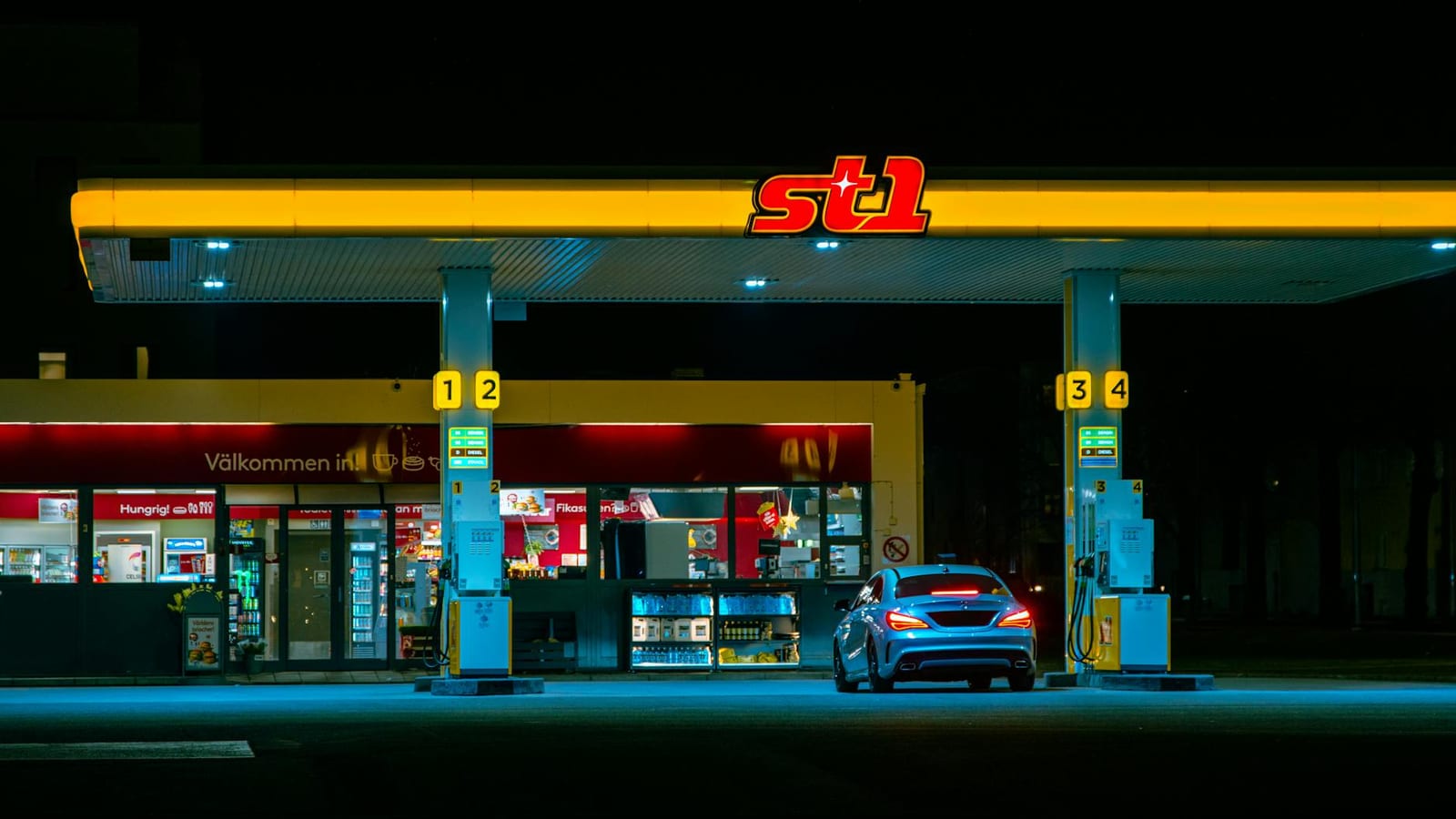
A family road trip in America now begins with a harder question than hotel rates. How much will the fuel bill hurt?
That is the mood heading into the Memorial Day weekend, which opens the US summer travel season. Petrol prices have jumped sharply, and the reason sits far from American highways, in the crisis around Iran and global oil routes.
For Indian readers, this is not just an American travel story. It is a reminder that one conflict zone can quietly enter every family budget, from air tickets to taxi fares.
Summer trips meet fuel shock
The American Automobile Association expects about 39.1 million people to travel by car over the long weekend. Another 3.66 million are expected to fly.
That tells us something important. Americans still want to travel. After years of inflation, pandemic disruption, and high borrowing costs, people are not giving up holidays easily.
But the bill is changing the trip. A beach drive, a national park visit, or a family reunion now costs much more before the first meal stop.
US petrol prices have risen by more than $1.50 per gallon since late February. For a large SUV or pickup, that is not a small pinch. It can turn a casual weekend drive into a planned expense.
Hormuz risk reaches highways
The key pressure point is the Strait of Hormuz, a narrow sea route near Iran. Nearly one-fifth of global oil supplies pass through it.
When fighting or military tension threatens that route, oil traders get nervous. They assume supply could tighten, even before a complete shutdown happens.
That fear pushes crude oil prices higher. Crude oil is the raw material for petrol, diesel, and aviation fuel. So the impact soon reaches pumps, airlines, buses, and freight companies.
Patrick De Haan, head of petroleum analysis at GasBuddy, said the market has become unusually volatile. He warned that even a return to normal shipping may not bring quick relief.
That matters because fuel markets do not cool like a switch. Refineries, inventories, contracts, and transport costs all move at their own pace.
Road trips get shorter
The first sign of stress is showing in travel plans. A GasBuddy survey found that only 56 percent of respondents plan to drive more than two hours this summer.
Last year, that figure stood at 69 percent. That is a sharp fall for a country built around highways and long-distance driving.
People may still travel, but they are adjusting. They may choose nearby towns, fewer overnight stays, or one big trip instead of several smaller ones.
This is where the human angle becomes simple. A higher petrol price rarely cancels a rich person’s holiday. It first changes the plans of middle-income households.
A parent may cut one hotel night. A young couple may drop a second city from the route. A retiree may wait for prices to cool.
For Indians, the pattern feels familiar. When petrol or diesel rises here, people do not stop moving overnight. They trim, delay, combine errands, and think twice.
Politics enters the petrol pump
Rising fuel prices also create pressure for Donald Trump. Energy costs are among the easiest prices for voters to notice.
A grocery bill may confuse people because many items move together. But petrol prices stare at drivers from giant boards outside stations.
Several US states are considering temporary cuts in petrol taxes. There is also discussion around reducing the federal fuel tax.
That sounds simple, but it has trade-offs. Fuel taxes help pay for roads and transport systems. Cutting them gives quick relief, but it also reduces public money.
Governments often face this exact trap. If they do nothing, voters feel abandoned. If they cut taxes, they weaken future spending.
India has seen this movie too. Fuel taxes become a political cushion in good times, then a political headache when global crude rises.
Inventories add another worry
The pressure is not only about Iran. US petrol inventories have been falling for weeks, even as demand stays strong.
Inventory simply means stored fuel. When storage levels are comfortable, markets can absorb shocks better. When they are low, every disruption feels bigger.
Refinery outages can also push prices up. A refinery turns crude oil into usable fuels. If one breaks down during peak travel season, supply tightens quickly.
Then comes the Atlantic hurricane season. Storms can hit energy infrastructure, especially around the Gulf Coast. That region is vital to US refining and fuel movement.
Industry forecasts suggest the national average petrol price this Memorial Day weekend may be $1.48 higher than last year.
Some analysts warn that prices in parts of the US could cross $5 per gallon if disruption around Hormuz lasts through summer.
For travellers, that is the difference between “let us drive” and “let us calculate first.”
The larger lesson is plain. Travel does not live in a separate, cheerful corner of the economy. It sits inside oil, politics, shipping, weather, and household savings.
This American summer may still be busy. Airports will be crowded, highways will move, and families will travel. But many will do it with one eye on the pump. That is where global crisis becomes personal, one full tank at a time.