US summer trips get pricier as fuel shock bites hard
Rising petrol prices tied to Iran tensions are forcing US holiday travellers to rethink road trips, flights and summer budgets as Memorial Day begins.
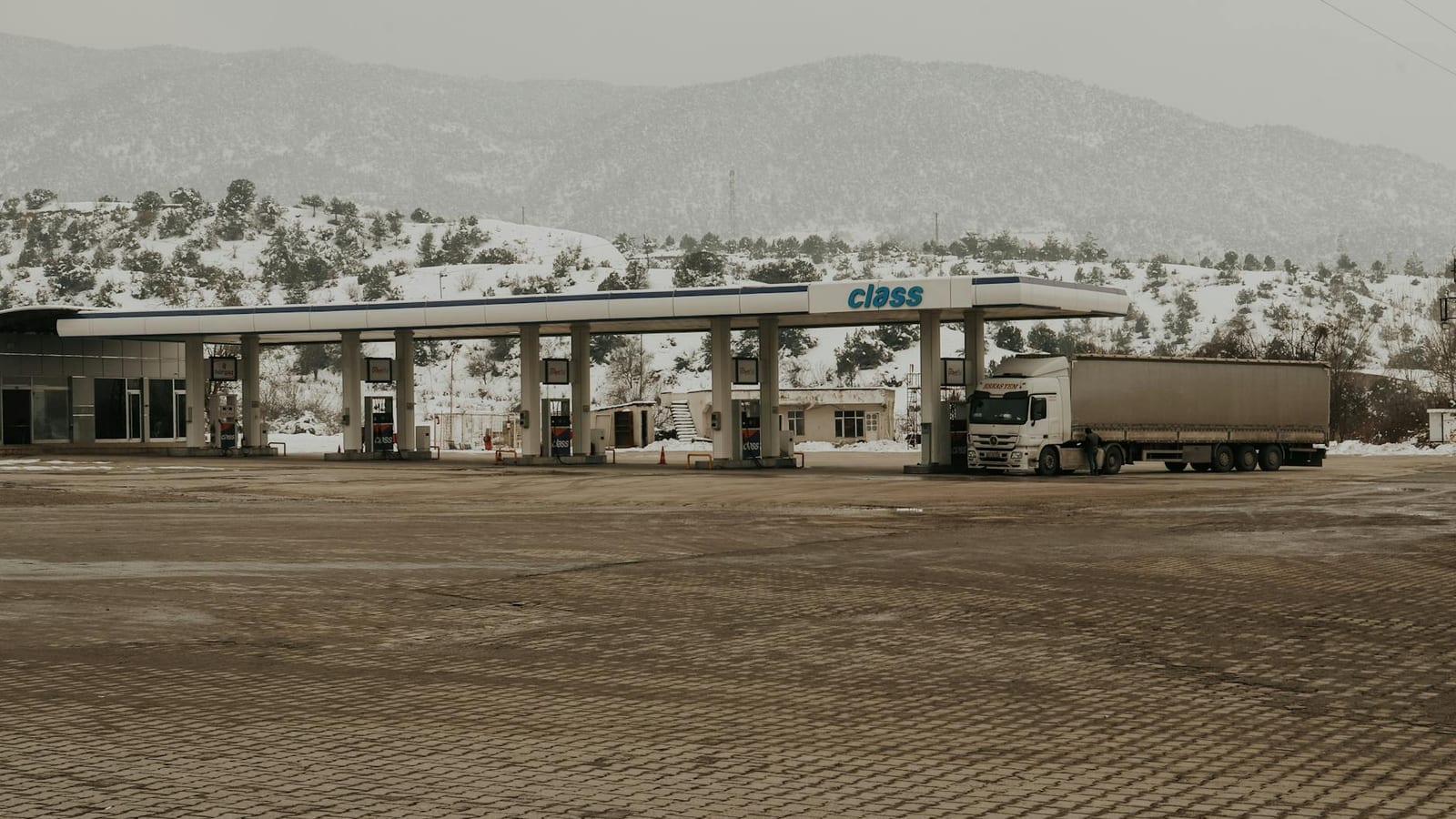
A family road trip in America now begins with a harder question than destination: how much will the petrol bill hurt?
That is the mood heading into Memorial Day weekend, the unofficial start of the US summer travel season. Millions still want to drive, fly, camp, and visit family. But the pump has become the first stop, and the first shock.
The reason sits far from American highways. Tensions linked to Iran have shaken oil markets, disrupted shipping confidence, and pushed fuel prices sharply higher.
Fuel shock hits holiday travel
The American Automobile Association expects nearly 39.1 million people to travel by car over the long weekend. Another 3.66 million are likely to fly.
Those are not small numbers. Americans are still travelling, and many clearly refuse to give up summer plans. But they are travelling with tighter budgets and shorter routes.
US retail petrol prices have risen by more than $1.50 a gallon since late February. For Indian readers, think of a long drive where every fuel stop suddenly costs far more than planned.
That changes behaviour quickly. A beach trip becomes a nearby lake trip. A cross-country drive becomes a weekend within the same state. Families start counting not just hotel nights, but miles.
Hormuz worries reach the pump
The pressure comes from the Strait of Hormuz, a narrow sea route with a huge role in global oil movement. Nearly one-fifth of the world’s oil supply passes through it.
When markets fear disruption there, oil prices do not wait for full closure. Traders price in risk. Refiners pay more. Petrol stations eventually pass that cost to drivers.
That is what makes this crisis uncomfortable for ordinary travellers. They have no control over war risk, shipping insurance, refinery schedules, or crude futures.
Yet they feel the result every time they fill a tank.
Patrick De Haan, head of petroleum analysis at GasBuddy, has described the present market as unusually volatile. He said the Hormuz disruption now sits at the centre of global energy concerns.
His warning is simple. Even if shipping returns to normal, prices may not calm down quickly. Fuel markets often rise fast and fall slowly.
Indian households know that pattern well. Once transport costs climb, the pain spreads beyond travel. Food delivery, taxi fares, logistics, and small business costs all begin to move.
Road trips get shorter
A GasBuddy survey shows how quickly sentiment has changed. Only 56 percent of respondents said they planned to drive more than two hours this summer.
Last year, that figure was 69 percent. That is a sharp drop for a country where the summer road trip is almost cultural furniture.
For many Americans, driving is not just leisure. It is how families visit grandparents, students return home, and working couples escape crowded cities for a few days.
Now fuel has become the biggest factor shaping plans. People are cutting distances, reducing repeat trips, or choosing cheaper accommodation to protect the travel budget.
This is where the story becomes familiar for Indian readers. A family in Delhi planning Manali, or a Bengaluru couple eyeing Coorg, faces the same arithmetic when fuel jumps.
The destination may remain the dream. The route, timing, and spending all change.
Air travel is not immune either. Airlines buy fuel in bulk, but higher oil prices eventually affect fares. Even when ticket prices do not jump overnight, airlines adjust capacity and fees.
So the traveller pays somewhere. It may be at the pump, at the airport counter, or through a smaller holiday.
Politics enters the petrol bill
Fuel prices are never just economics in America. They are political mood meters.
The rise now adds pressure on Donald Trump, as households complain about energy costs. Several US states are considering temporary pauses on petrol taxes.
There is also talk around reducing the federal fuel tax. That sounds attractive to drivers, but it comes with a catch.
Fuel taxes help pay for roads, bridges, and transport systems. Cut them, and governments must either find money elsewhere or delay repairs.
Still, when prices rise fast before a travel-heavy season, politicians look for visible relief. A tax holiday is easy to explain. It tells voters the government has acted.
The harder question is whether it solves the problem. If crude oil keeps rising, a tax cut may only soften the blow for a short time.
That is why analysts are watching inventories closely. US petrol storage levels have been falling for weeks, even as demand remains strong.
Low inventories make the market nervous. If a refinery breaks down, or a storm hits production, prices can jump again.
The Atlantic hurricane season adds another risk. Storms can disrupt refineries and oil infrastructure along the US Gulf Coast.
Put these together, and the summer starts looking expensive before it has properly begun.
Why Indians should care
At first glance, this looks like an American travel story. It is not only that.
Oil is global. When Middle East tensions lift crude prices, import-heavy countries like India must watch carefully. India buys large amounts of oil from overseas.
Higher crude prices can affect petrol, diesel, aviation fuel, and shipping costs. Even when pump prices do not move daily, pressure builds inside the system.
For Indian travellers, the American experience offers a warning. Fuel shocks do not cancel travel immediately. They make it more selective.
People still move. But they choose closer places, fewer nights, shared rides, train options, or off-season bookings.
Travel businesses also feel the strain. Motels, diners, campsites, rental car firms, and small-town shops depend on summer traffic. If families shorten trips, these businesses lose the extra spending that keeps them afloat.
The same logic applies in India. A hill-station hotel, a highway dhaba, or a local taxi operator can suffer when middle-class families trim travel.
This is why fuel is such a powerful household issue. It touches pleasure, work, and small enterprise at once.
The coming weeks will show whether this is a temporary spike or a longer summer squeeze. If the Hormuz situation stabilises, prices may cool slowly. If disruption continues, travel plans will keep shrinking mile by mile.
For ordinary readers, the lesson is practical. The cost of a holiday no longer begins with the hotel booking. It begins with the fuel gauge, and with events far beyond the road ahead.