US road trips get pricier as fuel surge hits holidays
Higher petrol prices are raising costs for US summer road trips, affecting Indian travellers planning self-drive holidays across popular routes.
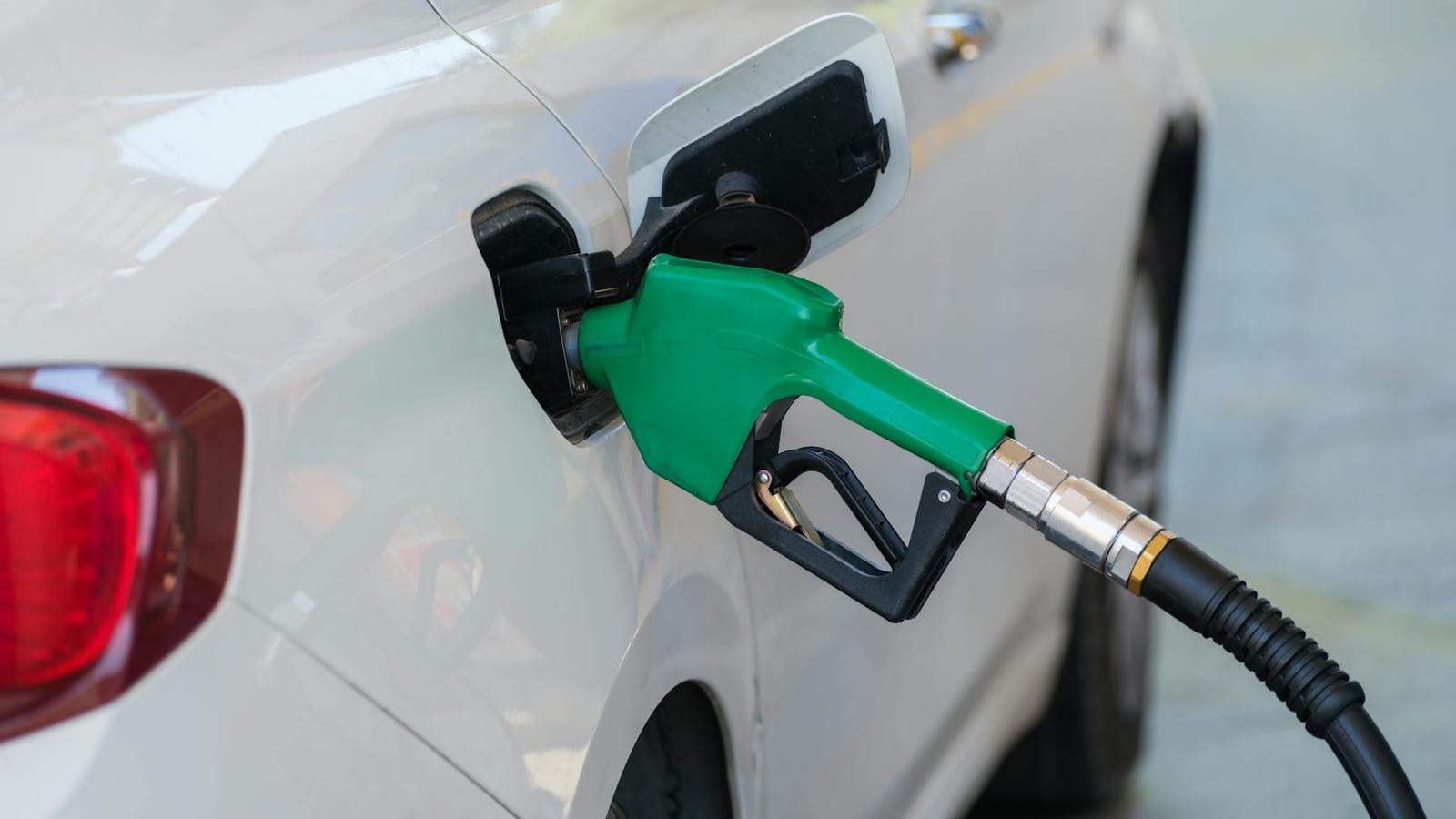
A summer road trip in America now begins with a nervous look at the fuel pump. That small screen decides whether families drive farther, cut a night, or cancel the detour.
The United States is entering its Memorial Day weekend with travel demand still strong. But petrol prices have jumped at the worst possible time.
For Indians planning a US holiday, this matters too. A self-drive trip through California, Florida, or the national parks can suddenly cost much more.
Fuel costs hit holiday plans
The American Automobile Association expects nearly 39.1 million people to travel by car over the long weekend. Another 3.66 million are expected to fly.
Memorial Day usually marks the informal start of the US summer travel season. Schools close, families pack cars, and highways fill quickly.
This year, the mood feels different. Petrol prices have risen by more than $1.50 a gallon since late February.
For Indian readers, one US gallon is about 3.8 litres. So that increase works out to roughly 40 cents more per litre.
That may sound small on paper. On a long American road trip, it adds up fast.
A family driving hundreds of miles between cities, hotels, diners, and theme parks will feel it. So will students, retirees, and working couples trying to keep holidays within budget.
Iran crisis reaches the pump
The pressure comes from the conflict linked to Iran, which has shaken oil markets.
The trouble has focused attention on the Strait of Hormuz. This narrow waterway carries close to one-fifth of global oil supplies.
When shipping looks risky there, oil traders react quickly. Crude oil becomes costlier, and fuel prices follow.
That is why a family filling a car in Ohio or Texas can feel a crisis thousands of kilometres away.
Patrick De Haan, head of petroleum analysis at GasBuddy, has warned that fuel markets remain unusually volatile. He said the Strait of Hormuz disruption now sits at the centre of global energy worries.
His larger point is simple. Even if shipping returns to normal, prices may not cool immediately.
Oil markets rise fast during fear. They often fall slowly when calm returns.
Road trips get shorter
GasBuddy’s recent survey shows the behavioural shift already underway.
Only 56 percent of surveyed Americans said they planned to drive more than two hours this summer. Last year, that figure was 69 percent.
That is a sharp fall for a country built around road trips. In America, driving holidays are not just leisure. They shape hotels, restaurants, small towns, theme parks, petrol stations, and roadside stores.
If families drive less, the pain spreads beyond the pump.
A motel near a highway exit may lose bookings. A diner near a national park may see fewer lunch crowds. A local tour operator may get fewer walk-ins.
The same pattern will sound familiar in India. When petrol gets expensive here, people do not always cancel travel. They shorten it, combine errands, choose trains, or drop one city from the plan.
American travellers are now making similar choices.
Politics follows petrol prices
High fuel prices rarely stay outside politics for long.
The rise is creating pressure on Donald Trump, as households face bigger energy bills. Several US states are looking at temporary cuts in petrol taxes.
There is also growing discussion around reducing the federal fuel tax.
Such tax cuts can offer quick relief. But they do not solve the deeper issue.
If crude oil stays expensive, a tax break only softens the bill. It does not bring the old price back.
There is another problem. Petrol taxes fund roads and transport systems. Cutting them may help drivers today, but it can reduce money for maintenance later.
That is the hard political trade-off. Voters want cheaper fuel now. Governments still need money to keep highways working.
More risks lie ahead
Analysts are also watching US petrol inventories. Storage levels have been falling for weeks.
That matters because summer is peak driving season. If demand stays strong and stocks remain low, prices can climb further.
Refinery outages could add to the pressure. So could tighter global fuel supplies.
Then comes hurricane season in the Atlantic. Storms can disrupt refineries and fuel supply lines, especially along the Gulf Coast.
Fresh industry forecasts suggest the national average petrol price this Memorial Day weekend could be $1.48 higher than last year.
Some analysts warn that prices in parts of the US could cross $5 a gallon if Hormuz disruptions continue through summer.
For Indian tourists, that number matters while planning. A cheap flight deal may not mean a cheap trip if car rental fuel costs rise sharply.
The smarter move is to check driving distances before booking hotels. In the US, cities can look close on a map but sit hours apart by road.
A Los Angeles to Las Vegas drive, a Texas city-hopping trip, or a national park circuit can become expensive quickly.
Travellers may now prefer fewer bases, longer stays, and better-planned routes. That is not a bad way to travel, but it changes the holiday.
The bigger story is not just about American petrol. It is about how fragile travel budgets have become. One conflict, one shipping route, one supply shock, and ordinary plans start shifting.
Summer travel will still happen. Americans love the open road too much to give it up easily. But this year, many will travel with one eye on the fuel gauge and the other on the bill.