US-Iran Nuclear Deadlock Puts India Fuel Costs on Edge
US-Iran truce terms leave the Strait of Hormuz risk unresolved, keeping Indian fuel bills, airfares and shipping costs exposed to fresh shocks.
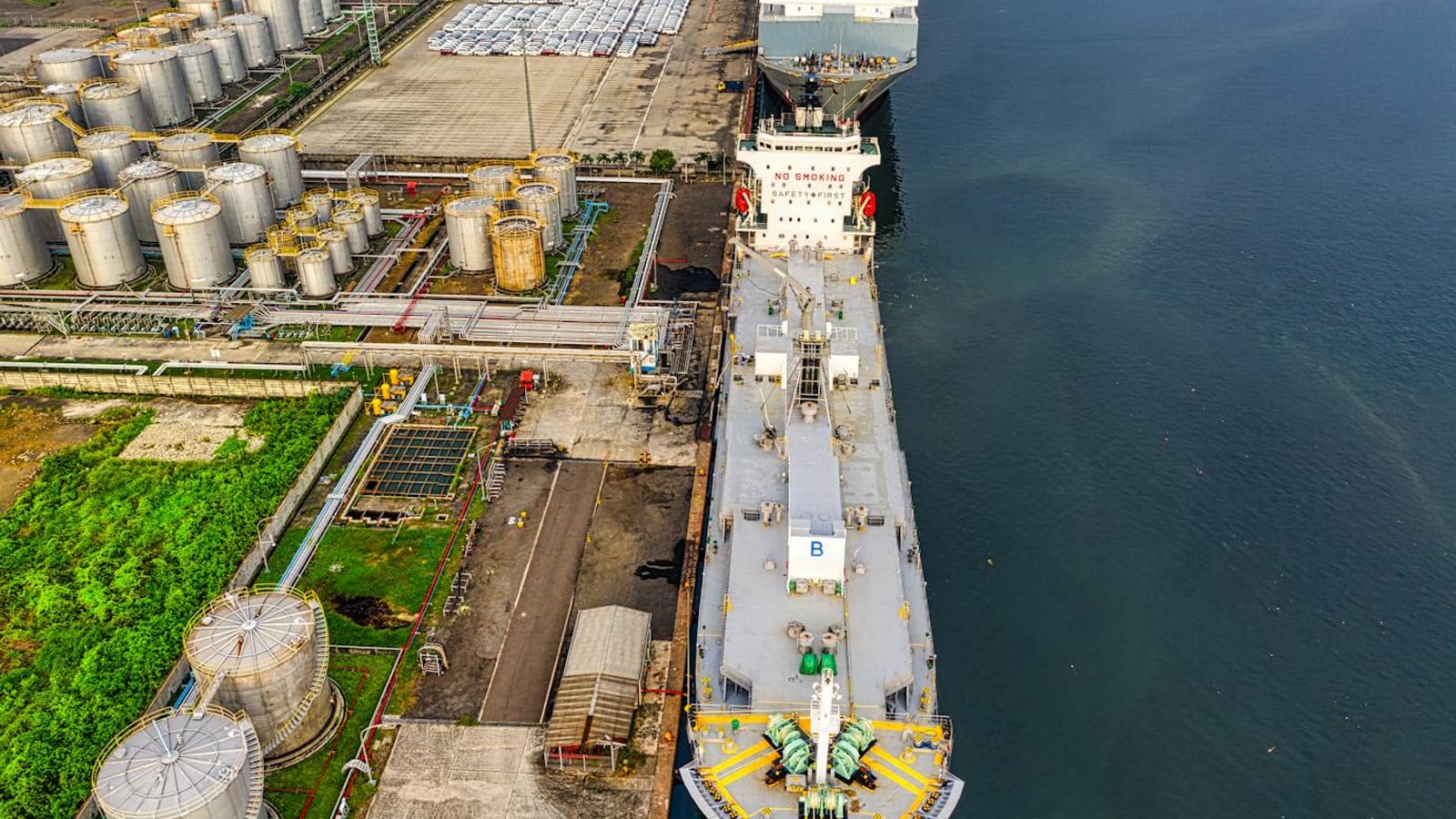
A strip of water near Iran is again making families in India watch petrol prices nervously.
The Strait of Hormuz may look distant on a school atlas. But when it shakes, fuel bills, airfares, shipping costs and factory margins can move in Mumbai, Kochi, Surat and Gurugram.
That is why the latest deadlock between the US and Iran matters far beyond West Asia. The ceasefire may have stopped the loudest fighting for now. It has not solved the quarrel.
Five demands, no easy bargain
Iranian state-linked media has described a sharp American offer on the table.
The US wants Tehran to hand over 400 kg of highly enriched uranium. In plain English, that means uranium processed close enough to worry nuclear inspectors and rival governments.
Washington also wants Iran to keep only one nuclear facility running. It has also rejected any compensation for damage caused during the conflict.
Iran says the US has refused to release even a quarter of its frozen overseas money. Those are Iranian funds blocked abroad because of sanctions.
For Tehran, this is not just a nuclear argument. It is also about money, pride and survival.
Iran has put forward its own five conditions. It wants military operations across the region to stop, especially in Lebanon. It wants sanctions lifted, frozen assets released, war damages paid, and its control over the Strait of Hormuz recognised.
That is not a small gap. That is two sides reading the same crisis from opposite ends.
Trump turns up the pressure
Donald Trump has now added his familiar hard edge to the talks.
He warned Iran that the clock was ticking and urged Tehran to move quickly. His message suggested that Washington still sees pressure as the main tool.
Iran sees that very differently.
Iranian Foreign Ministry spokesperson Esmail Baqaei accused the US and Israel of breaking earlier diplomatic efforts. He argued that Washington was trying to blame Iran for instability in energy markets.
Iranian military spokesperson Shahram Iranshahr also warned against another attack. He said any fresh American strike would invite a much stronger Iranian response.
This is the danger with ceasefires in West Asia. The shooting may pause, but the language often keeps firing.
The US wants a deal that limits Iran’s nuclear reach. Iran wants relief from sanctions and recognition of its regional standing.
Both sides can sell firmness at home. Neither side can easily sell surrender.
Pakistan’s unusual mediation role
Pakistan has emerged as a channel between the two sides.
Iranian media said Tehran passed its response through Islamabad after receiving a new American proposal. The ceasefire itself came through Pakistani mediation, though it has not become a wider peace deal.
Trump has also spoken warmly about Pakistan’s role. He said the ceasefire came at another country’s request and called Pakistan’s leadership “terrific”.
That language will be watched closely in New Delhi.
India has long understood that West Asian crises do not stay neatly inside West Asia. They mix with energy, shipping, diaspora safety and great-power alignments.
Pakistan gaining diplomatic space in such a crisis will not go unnoticed in South Block. But India’s bigger concern remains practical.
Will oil shipments stay steady? Will the Strait of Hormuz remain open? Will insurance costs rise for ships? Will Indian workers in the Gulf face uncertainty?
For ordinary Indians, those questions matter more than diplomatic theatre.
Why India should pay attention
The Strait of Hormuz is one of the world’s most important energy routes.
A large share of global oil and gas passes through or near this narrow waterway. Iran sits on one side of it. Oman and the UAE sit nearby.
When tensions rise there, markets react quickly. Even the fear of trouble can push up crude prices.
India imports most of the oil it uses. So a jump in crude does not remain a headline for long. It moves into petrol pumps, diesel costs, airline fares and transport bills.
A kirana store owner in a tier-2 city may not track uranium talks. But if diesel gets costlier, delivery costs rise. That can feed into biscuit packets, cooking oil, soap and vegetables.
Young professionals paying home loans also feel the chain. If fuel inflation stays high, the Reserve Bank of India gets less room to cut interest rates.
Exporters worry too. Shipping delays and higher insurance costs can hurt margins. Small manufacturers usually have less cushion than large firms.
That is the Indian angle in this distant quarrel. It is not abstract foreign policy. It can enter household budgets quietly.
Nuclear talks meet energy fears
The nuclear issue sits at the centre of the crisis.
The US and Israel argue that Iran must not gain the ability to build a nuclear weapon. Iran insists its programme serves peaceful purposes and national rights.
The problem is trust. There is very little of it left.
Once missiles, drones and strikes enter the picture, every technical clause becomes political. A uranium cap is no longer just a number. It becomes a test of who blinked first.
Sanctions make the matter harder. Iran wants its economy to breathe again. The US wants sanctions relief only after firm limits on Iran’s nuclear and military reach.
Frozen assets are another flashpoint. For Iran, those funds are national money unfairly held back. For Washington, they are bargaining chips.
Compensation for war damage may be the hardest demand. The US has rejected it. Iran has made it part of its conditions.
So the talks are stuck between security and dignity. That is often where diplomacy struggles most.
For India, the best outcome is boring stability. Open sea lanes, calmer oil prices, and no sudden call to evacuate citizens from the region.
But boring stability needs patient diplomacy. Right now, both Washington and Tehran are speaking to each other through threats, conditions and public warnings.
The ceasefire has bought time. It has not bought trust. Until that changes, Indian families may keep feeling a West Asian crisis in the most ordinary place possible, the monthly budget.