US aircraft losses mount in Iran campaign assessment
A CRS assessment says 42 US aircraft were lost or damaged in the Iran campaign, including fighter jets, refuelling aircraft and drones so far.
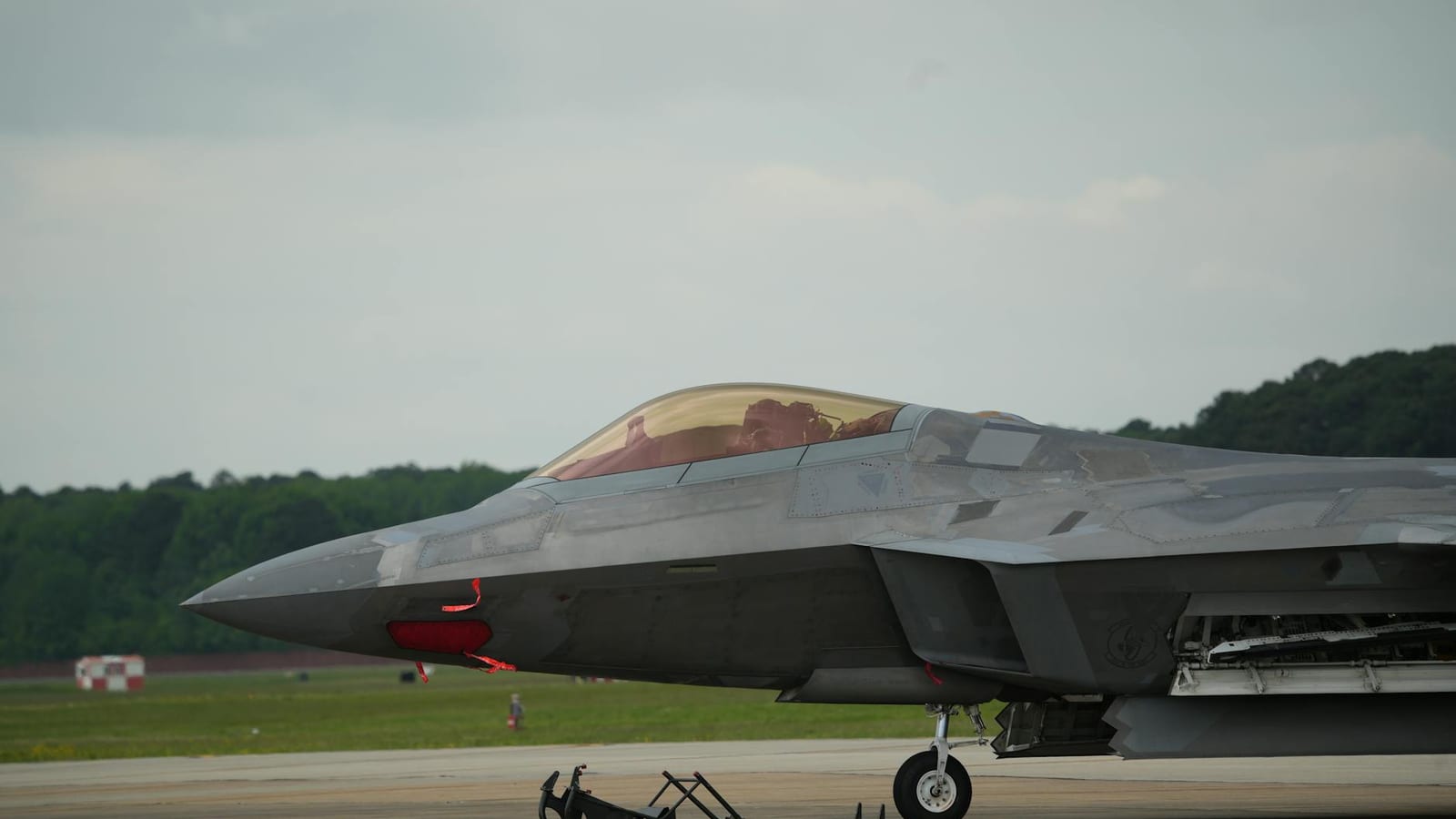
Forty-two aircraft is not a small scratch on a superpower’s war machine. It is the kind of number that makes even distant countries sit up, including India.
A new Congressional Research Service assessment says the US lost or damaged at least 42 aircraft during Operation Epic Fury, the military campaign launched against Iran on February 28.
The list includes fighter jets, refuelling planes, surveillance aircraft, helicopters, and drones. In plain English, this was not just a drone-heavy campaign fought from a safe distance. It hurt expensive American hardware across the board.
The aircraft losses are striking
The CRS assessment puts the current count at 42 aircraft. That figure may still change because some details remain classified, combat activity continues, and attribution is not always simple.
The losses include four F-15E Strike Eagle fighter jets and one F-35A Lightning II. For ordinary readers, the F-35 matters because it is among America’s most advanced and expensive combat aircraft.
The list also includes one A-10 Thunderbolt II, seven KC-135 Stratotanker refuelling aircraft, and one E-3 Sentry surveillance plane. These are not glamorous names for most people, but they keep air wars running.
A fighter jet grabs headlines. A tanker decides how long that fighter can stay in the sky. A surveillance aircraft helps commanders see the battlefield. Damage to such aircraft shows pressure on the larger system, not just frontline pilots.
The CRS also counted two MC-130J Commando II special operations aircraft, one HH-60W rescue helicopter, 24 MQ-9 Reaper drones, and one MQ-4C Triton drone.
That drone figure is especially telling. The MQ-9 Reaper has become a symbol of remote warfare. Losing 24 of them suggests Iran’s air defences, electronic systems, or battlefield tactics caused real damage.
The Pentagon bill has climbed
The Pentagon has now pushed its cost estimate for the Iran operation to $29 billion. Acting Pentagon Comptroller Jules W Hurst III gave that figure to a House Appropriations subcommittee on May 12.
Hurst told lawmakers that much of the rise came from better estimates for repairing or replacing damaged equipment. That is a polite budget phrase for a very expensive reality.
Military spending can sound abstract from India. Twenty-nine billion dollars feels like a spreadsheet number. But it is larger than the annual budget of many smaller countries.
It also shows why wars often cost more than governments first admit. Bombs, fuel, aircraft repairs, spare parts, logistics, medical support, and emergency deployments all pile up.
For taxpayers, the bill does not end when missiles stop flying. Aircraft repair contracts, replacement orders, and maintenance backlogs continue long after the nightly news moves on.
This is why defence planners obsess over attrition. Attrition simply means the steady loss of equipment and personnel during conflict. A country can win battles and still bleed money heavily.
Why India should pay attention
India is not a spectator when tensions rise in West Asia. The region affects Indian workers, energy prices, shipping routes, airlines, and family budgets.
Millions of Indians live and work across the Gulf. Even when fighting stays away from their homes, anxiety travels fast. Families in Kerala, Telangana, Punjab, Uttar Pradesh, and elsewhere watch such news closely.
Oil markets also react to conflict near Iran. India imports a large share of its crude oil. Any shock in supply routes can eventually reach petrol pumps, diesel prices, and airline costs.
For travellers, West Asian airspace matters too. Flights between India, Europe, and North America often depend on routes across or near the region. When conflict expands, airlines may reroute flights.
Rerouting sounds minor until you pay for it. Longer flight paths mean more fuel, possible delays, crew changes, and higher operating costs. Airlines do not absorb these costs forever.
Families planning holidays, students flying abroad, and professionals on work trips may all feel the pinch. Sometimes it comes as higher fares. Sometimes it comes as awkward layovers and longer journeys.
There is also a defence lesson here. Modern air power looks clean on screens and briefing charts. In reality, it depends on many vulnerable links.
A high-end fighter needs refuelling support. A drone needs communications links. A rescue helicopter needs safe access. Once those links come under pressure, even a rich military feels strain.
Drones are no longer cheap insurance
For years, drones were sold as a safer and cheaper way to fight. They kept pilots away from danger and could stay airborne for long hours.
That logic still holds, but only partly. When a military loses 24 Reaper drones in one campaign, the cost debate changes. These are not hobby drones from an electronics market.
The MQ-9 Reaper can carry sensors, weapons, and communications systems. It supports surveillance and strikes. Losing many of them creates both financial and intelligence gaps.
The MQ-4C Triton is even more specialised. It works for long-range maritime surveillance. In simple terms, it helps watch wide ocean areas from high altitude.
For India, this part is worth noting because drones now sit at the centre of defence thinking. Countries want unmanned systems for borders, oceans, and counter-terror missions.
But the Iran operation shows a hard truth. Drones reduce risk to pilots, but they do not remove risk from war. Enemies adapt, jam signals, shoot them down, or attack support systems.
That matters for future procurement. Buying drones is not enough. Countries need training, electronic protection, repair capacity, and realistic planning for losses.
The fog around the final count
The CRS has also warned that the aircraft count may change. That caveat deserves attention.
War reporting rarely arrives clean and complete. Some losses remain classified. Some aircraft suffer damage but return to base. Some damage appears small at first, then later needs costly repairs.
Attribution can also get messy. Did enemy fire cause the loss? Did mechanical failure play a role? Did a drone crash because of jamming, weather, or human error?
The CRS built its assessment from public reports and statements by the Department of Defence and US Central Command. That means the number is official enough to matter, but not final enough to close the file.
Governments often reveal military losses slowly. They balance public accountability, battlefield secrecy, and domestic politics. That pattern is familiar in many countries, not just America.
For Indian readers, the broader point is simple. Modern wars are not only fought with courage and firepower. They are fought with budgets, supply chains, repair crews, and public patience.
The 42 aircraft figure tells a larger story than one campaign. It shows how costly conflict can become, even for the world’s best-funded military. For ordinary people, the aftershocks may appear far from the battlefield, in fuel bills, flight fares, and uneasy calls from relatives abroad.