US aircraft losses in Iran campaign raise Gulf risks
A congressional assessment says 42 US aircraft were lost or damaged in the Iran campaign, raising Gulf stability concerns for fuel, airlines and shipping.
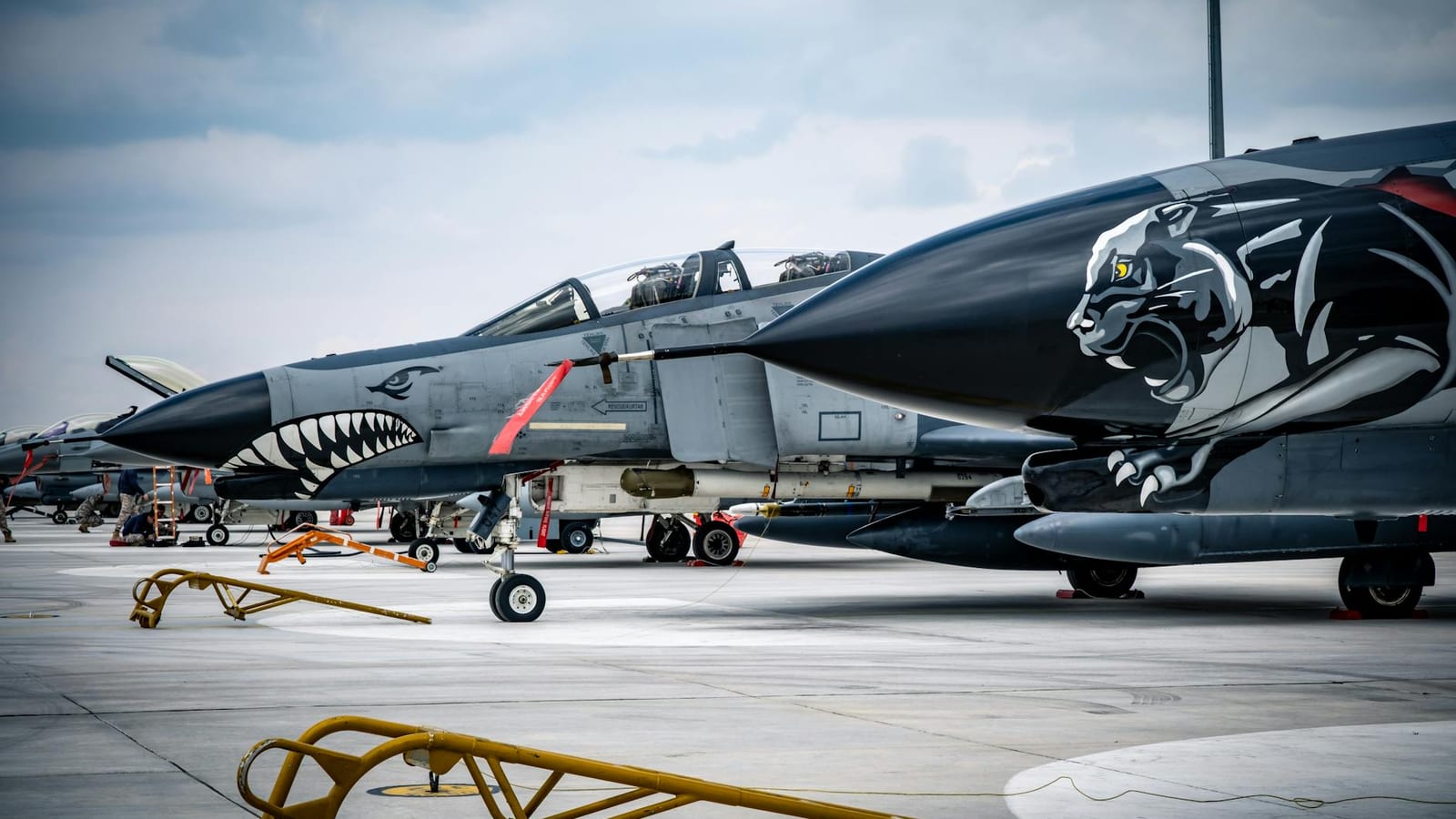
Forty-two aircraft is not just a military statistic. It is a reminder that even superpower wars come with repair bills, replacement queues, and political headaches.
The United States now faces that uncomfortable arithmetic after its Iran campaign. A congressional assessment says several American aircraft, from fighter jets to drones, were lost or damaged during the operation.
For India, this is not a faraway spreadsheet. Anything that shakes the Gulf can touch fuel prices, shipping, airlines, and millions of families tied to the region.
Aircraft losses raise hard questions
The Congressional Research Service has listed at least 42 US aircraft as lost or damaged during Operation Epic Fury, the American military campaign against Iran that began on February 28.
The list is striking because it cuts across the US air fleet. It includes four F-15E Strike Eagles, one F-35A Lightning II, one A-10 attack aircraft, seven KC-135 refuelling tankers, and one E-3 surveillance aircraft.
It also includes two MC-130J special operations aircraft, one HH-60W rescue helicopter, 24 MQ-9 Reaper drones, and one MQ-4C Triton drone.
That mix matters. Fighters grab the headlines. But tankers, surveillance planes, rescue helicopters, and drones keep a modern air campaign alive.
Think of it like a cricket team losing not only batters, but also bowlers, physios, analysts, and the team bus. The match can continue, but the strain shows quickly.
The $29 billion bill
The Pentagon has told lawmakers that the cost estimate for Iran operations has climbed to about $29 billion.
Acting Pentagon Comptroller Jules W Hurst III told a congressional panel on May 12 that repair and replacement costs played a large role in the jump.
That is the part ordinary taxpayers understand best. A drone lost in combat is not just a line item. A damaged tanker can mean spare parts, labour, downtime, and fresh procurement.
Military budgets often sound unreal because the numbers are huge. But the logic is simple. When expensive machines break, the bill rises fast.
The CRS also warned that the aircraft count may change. Combat activity, classified information, and unclear attribution can all delay the final tally.
In plain English, Washington may not yet know the full bill. Or it may know more than it can publicly say.
Why drones dominate the tally
The biggest number in the list is not fighter jets. It is drones. The CRS count includes 24 MQ-9 Reapers and one MQ-4C Triton.
That tells us something about the way modern wars now work. Drones take risks that pilots once took. They patrol, track, strike, and gather intelligence for long hours.
This reduces danger to aircrew, but it does not make war cheap. Large military drones cost serious money. They also need trained teams, data links, bases, maintenance, and protection.
The loss of so many drones suggests a tough operating environment. Iran has spent years building missiles, drones, air defences, and electronic warfare tools.
No one should mistake that for parity with America. The US still has far deeper military resources. But even a weaker adversary can impose costs if it prepares well.
That is the lesson smaller powers have studied for decades. You may not defeat a superpower outright. You try to make every day of combat expensive.
Gulf instability reaches India
India watches such conflicts with a very practical eye. The Gulf is not just a foreign policy map for New Delhi. It is a workplace, a fuel source, and a shipping corridor.
Millions of Indians live and work across Gulf countries. Their remittances support families from Kerala to Uttar Pradesh. Any wider conflict creates anxiety at home.
Then there is oil. India imports a large share of its crude needs. When tension rises near Iran and the Gulf, markets start pricing in risk.
That can eventually show up in petrol, diesel, aviation fuel, and freight costs. A small rise can pinch households and businesses already watching monthly budgets.
Airlines also care. Conflict zones can force route changes. Longer routes mean more fuel, more time, and sometimes higher fares.
A family planning a Gulf visit, a student flying to Europe, or a small exporter sending goods by sea may not follow defence hearings. But they can still feel the aftershocks.
Washington faces a credibility test
The aircraft losses will now feed a familiar debate in Washington. Did the operation achieve enough to justify the cost?
Supporters will argue that military action comes with losses. They will say the US preserved deterrence and hit important targets.
Critics will ask sharper questions. How much damage did Iran’s military actually suffer? How quickly can Tehran rebuild? Did the US underestimate the cost of escalation?
Congress will also want clearer answers from the Pentagon. Lawmakers rarely enjoy voting money into a fog.
The CRS report gives them a starting point. It does not settle the argument. It simply puts a number on the damage that had been scattered across briefings and reports.
For the public, that number carries its own force. Forty-two aircraft, including advanced fighters and drones, makes the war feel less clean than official language often suggests.
Wars today arrive wrapped in precision maps and confident briefings. Then the invoices arrive. For Indian readers, the lesson is simple: conflict in the Gulf never stays neatly inside the Gulf. It moves through oil markets, airline routes, government budgets, and family WhatsApp groups. The next question is not only what America lost in the sky. It is how long the region will keep paying on the ground.