US air losses mount across Iran campaign, CRS says
CRS assessment says 42 US aircraft, from fighters to tankers and drones, were lost or damaged in Operation Epic Fury against Iran, raising cost questions.
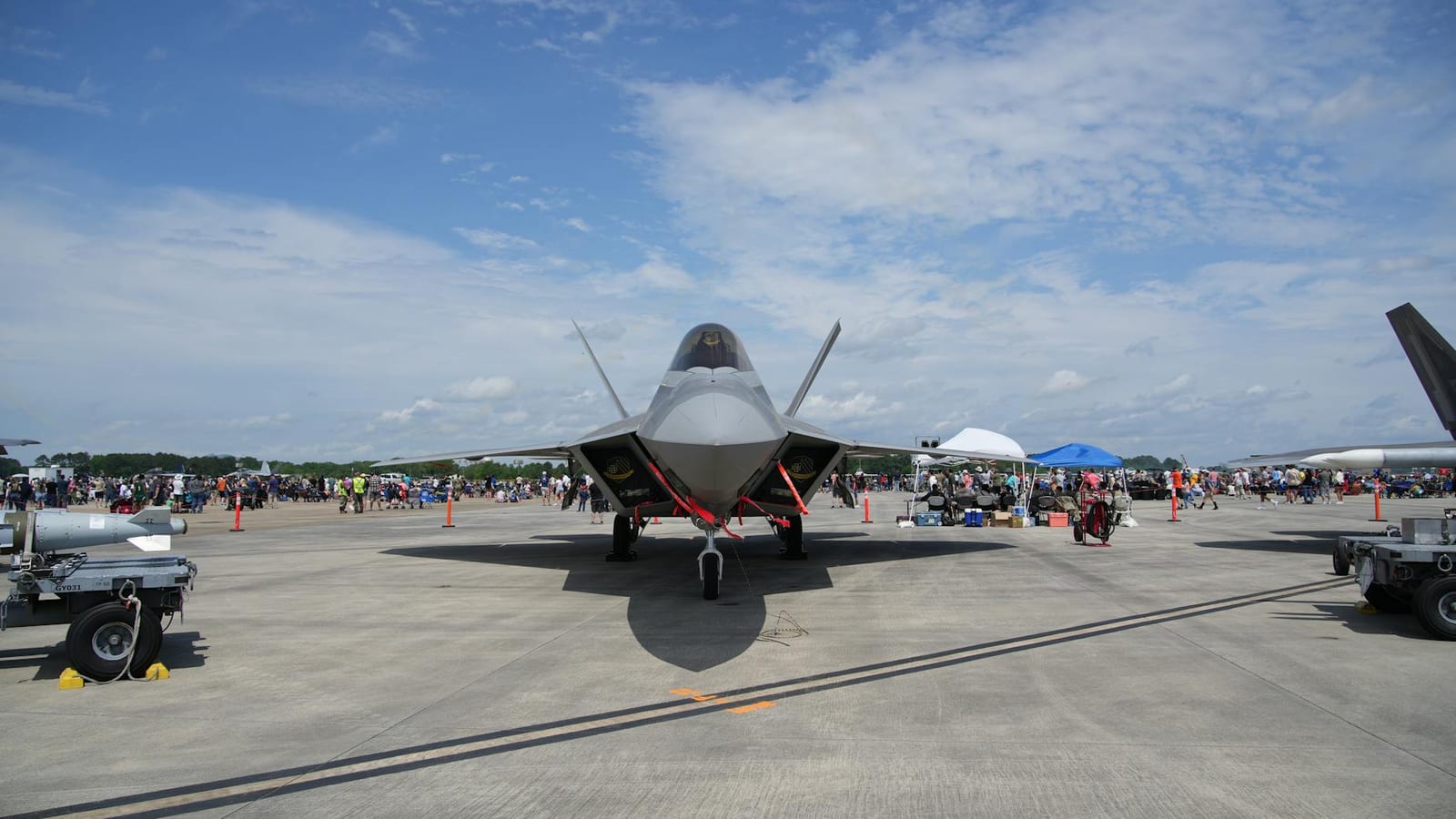
Forty-two aircraft is not a small wartime footnote. It is the kind of number that makes generals, auditors, and taxpayers sit up.
A new assessment by the Congressional Research Service says at least 42 American aircraft were lost or damaged during Operation Epic Fury, the US military campaign against Iran that began on February 28.
For Indian readers, the number matters beyond the battlefield. It shows how quickly modern wars burn through money, machines, and political patience.
The aircraft toll is unusually wide
The CRS assessment lists fighter jets, drones, refuelling tankers, surveillance aircraft, special operations planes, and a rescue helicopter.
The damaged or lost aircraft include four F-15E Strike Eagles, one F-35A Lightning II, and one A-10 Thunderbolt II. These are not cheap assets. They sit at the sharp end of American air power.
The list also includes seven KC-135 Stratotankers. These aircraft refuel fighter jets mid-air, which keeps long missions alive. When tankers get hit or grounded, the whole rhythm of an air campaign changes.
The drone losses are even more striking. The tally includes 24 MQ-9 Reaper drones and one MQ-4C Triton drone. Reapers carry out surveillance and strikes. Tritons watch wide stretches of sea and coastline.
That mix tells us something simple. This was not a clean, distant campaign fought only through screens. The US had to put expensive, specialised aircraft into risky airspace.
Why the number may still change
The CRS has warned that the figure may shift. That may sound odd, but it is normal in war.
Some losses remain classified. Some aircraft get damaged, repaired, and returned before public numbers settle. In other cases, officials may still be checking whether enemy fire, accidents, or operational stress caused the damage.
The Pentagon also has its own reasons to move carefully. Aircraft loss numbers carry military, diplomatic, and political weight. A higher number can embolden rivals and anger lawmakers.
The CRS compiled its assessment from official statements and public material linked to the Department of Defence and US Central Command. It does not command troops. It helps the US Congress understand policy, law, and spending.
That role matters here. Once Congress starts looking at equipment losses, the war stops being only a military story. It becomes a budget story.
The bill has climbed sharply
At a House Appropriations subcommittee hearing on May 12, Acting Pentagon Comptroller Jules W Hurst III said the cost estimate for operations in Iran had climbed to $29 billion.
He told lawmakers that repair and replacement costs pushed much of that increase. Put simply, damaged aircraft have turned into a very large bill.
For scale, $29 billion is more than the annual defence budget of many countries. It is also money that American politicians must explain to voters who worry about prices, jobs, and public services.
For India, the lesson is familiar. Modern military equipment gives states reach and power. But it also creates deep dependence on maintenance, spare parts, trained crews, and long supply chains.
An aircraft does not become a cost only when it crashes. It costs money when it needs repairs, when parts run short, and when crews must be retrained.
That is why defence planners obsess over readiness. A country may own advanced aircraft on paper. The real question is how many can fly tomorrow morning.
Drones are not disposable after all
For years, drones were sold to the public as a cheaper way to fight. They reduce risk to pilots. They can watch targets for long hours. They can strike without sending a fighter jet deep inside hostile airspace.
But 24 Reaper losses change the mood of that argument. A Reaper is cheaper than an F-35, yes. It is still an expensive military system, with sensors, weapons, ground crews, and satellite links.
The losses also show that drone-heavy warfare has limits. Against a capable adversary, drones can be jammed, shot down, or forced into dangerous routes.
That matters for India because every major military now studies drone warfare closely. The Ukraine war made drones look like the future. The Iran operation shows that the future is not cheap or simple.
The real contest is not just drone versus missile. It is network versus network. The side with better radar, jamming, air defence, satellites, and repair capacity often lasts longer.
Washington now faces harder questions
The US military can absorb losses better than most countries. It has deep budgets, global bases, and a large defence industry. Yet even Washington feels strain when advanced aircraft start piling up in repair estimates.
Lawmakers will now ask obvious questions. Were these missions planned well? Did commanders underestimate Iranian air defences? Could cheaper platforms have done some of the work?
They will also ask how quickly the Pentagon can replace damaged equipment. That matters because America has commitments far beyond West Asia. It watches China in the Indo-Pacific, Russia in Europe, and multiple flashpoints across the world.
For ordinary Americans, these debates may feel distant until the bill arrives. For ordinary Indians, the story offers another reminder. Wars fought far away can still shape fuel prices, shipping routes, markets, and diplomatic choices.
Iran sits near key energy routes. Any prolonged conflict there makes oil traders nervous. India, as a major oil importer, cannot ignore that.
This is where the aircraft list becomes more than a military spreadsheet. Each damaged tanker, drone, or fighter points to a wider cost. It affects budgets, alliances, oil routes, and the confidence of nations watching from the sidelines.
The immediate story is about 42 American aircraft. The larger story is about the price of modern power. Even the richest militaries discover that precision wars can become messy, expensive, and politically awkward very quickly.