UK Fuel Sanction Shift May Push Up Summer Airfares
Britain's eased rules on refined Russian fuel could steady jet supplies, but the Hormuz shock may still lift fares and disrupt summer trips.
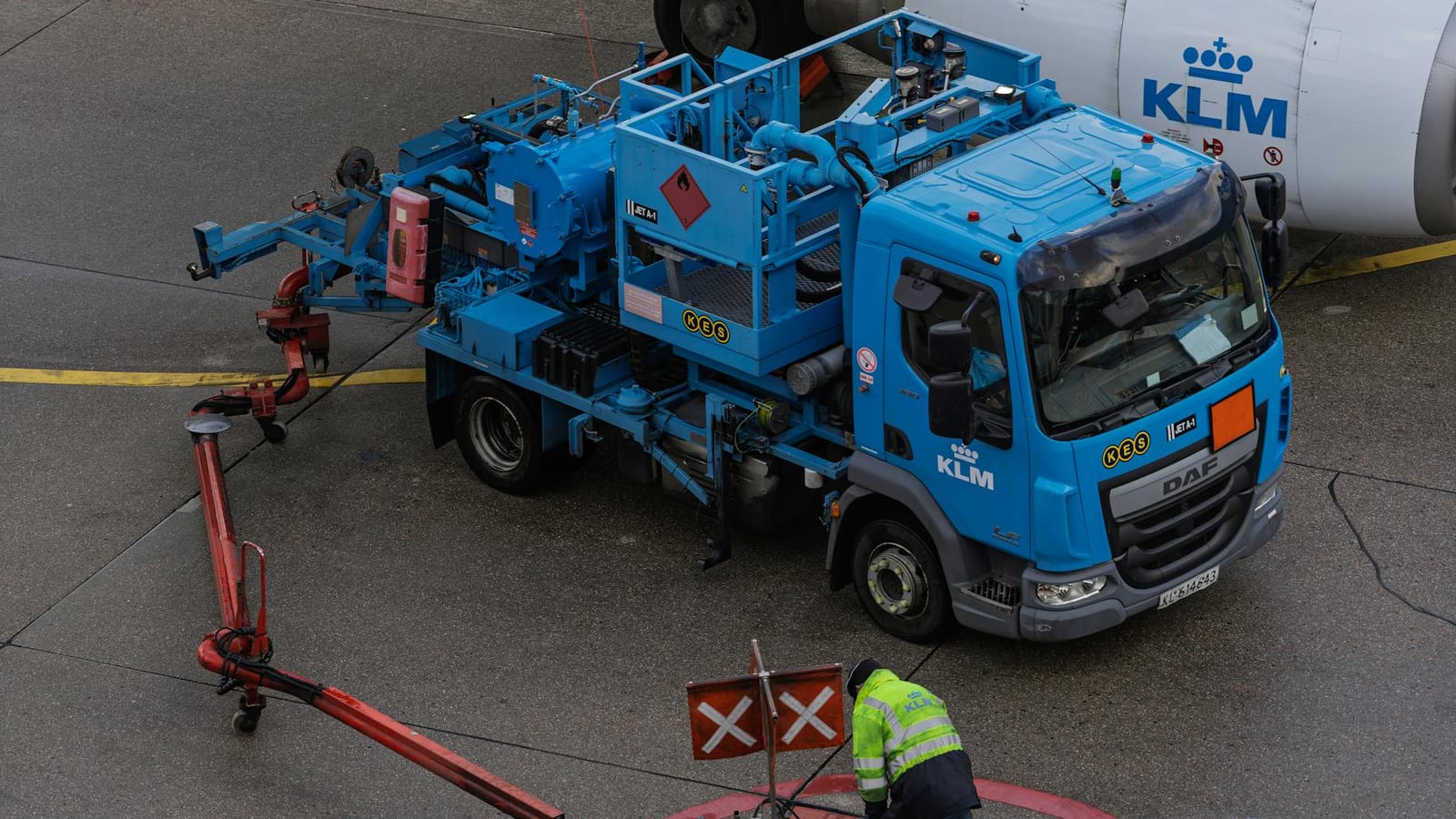
A summer flight ticket can become expensive long before you reach the airport.
That is the uncomfortable lesson from Europe’s fuel shock, where the closure of the Strait of Hormuz has rattled airlines, governments, and holiday plans. The United Kingdom has now eased its rules on Russian-origin fuel refined in countries like India and Turkey.
For Indian travellers, this may sound distant. It is not. When jet fuel jumps in Europe, airlines rework routes, fares, and schedules across the map.
Why Britain changed course
The UK had spent two years tightening its sanctions on Russian oil after Moscow’s invasion of Ukraine. The new rule was meant to stop oil from Russia entering Britain after being refined elsewhere.
Then the Middle East crisis hit fuel markets hard. The Strait of Hormuz, a narrow sea route near Iran and Oman, became unsafe for normal trade.
That waterway matters because a huge share of global oil and gas moves through it. When traffic slows there, prices rise almost everywhere.
British officials issued a licence allowing imports of diesel and jet fuel made from Russian crude in third countries. The government framed it as a practical step during a supply crunch.
A trade minister later told Parliament the handling was clumsy. That was diplomatic language for a policy retreat under pressure.
What this means for travellers
Jet fuel is not a small cost for airlines. It can decide whether a route remains profitable, whether fares rise, or whether flights get cut.
In Europe, jet fuel prices moved sharply within weeks. The source material puts the late February price at $831 per tonne. By early April, it had touched $1,838.
That kind of jump does not stay inside airline balance sheets. It travels to passengers through higher fares, fuel surcharges, fewer discounts, and cancelled flights.
For Indian travellers heading to London, Paris, Amsterdam, or onward to North America, this matters. Many long-haul fares depend on European airport economics.
A working couple planning a long-awaited UK holiday may see prices move suddenly. A student booking a one-way ticket may face fewer affordable options.
Airlines rarely explain this neatly at checkout. The traveller just sees a fare that looked reasonable last week, and painful this week.
India sits inside the fuel story
India appears in this story because it has become a major refiner of Russian crude. Refineries here buy crude oil, process it, and export fuels like diesel and jet fuel.
This is legal trade when it follows each country’s rules. But it has always sat in a politically sensitive space.
Western governments wanted to reduce Russia’s earnings without crashing fuel supplies at home. That balance looked manageable when markets were calm.
Hormuz changed the mood. When supply gets tight, moral certainty starts meeting airport queues, freight bills, and angry voters.
India’s role is practical, not symbolic. It has large refining capacity, strong export links, and a location that suits global fuel trade.
For Indian business, that can mean opportunity. For Indian diplomacy, it means another reminder that energy is never just energy.
The sanctions gap widened
The UK was not alone in facing hard choices. The United States also extended a similar arrangement for some Russian oil cargoes already at sea.
In the European Union, the debate has been even messier. Some countries cut Russian seaborne oil, but others still depend on pipeline supplies.
Hungary and Slovakia rely on the Druzhba pipeline, which carries Russian crude into Central Europe. Their refineries were built for that grade of oil.
Switching away takes time, money, and new infrastructure. Governments cannot simply turn a valve and hope factories, trucks, and households adjust overnight.
Hungary’s Viktor Orban had blocked a large EU loan to Ukraine while pushing for pipeline flows to restart. Slovakia supported that position.
After Hungary’s April election changed the political equation, the pipeline restarted quickly. The EU loan moved ahead the same morning.
That sequence tells us something blunt. Sanctions look strong on paper, but politics decides how long they hold.
Putin gains without moving
Vladimir Putin did not create the Hormuz crisis. He did not force European jet fuel prices to spike.
Yet Russia benefits when Western governments soften energy rules. Every exemption keeps some money moving through the oil chain.
Ukraine’s sanctions commissioner accepted the logic of the fuel crisis, but opposed the result. His concern was simple enough.
Even temporary relief can send revenue toward Russia’s war economy. For Kyiv, that is not an accounting detail.
This is the harsh part of energy politics. A crisis in one region can reward an aggressor in another.
Ordinary travellers feel only the final bill. Governments see the strategic compromise. Oil traders see the price gap.
Somewhere between all three sits the real story. The world built sanctions that still depended on Russian energy finding indirect routes.
The UK’s decision shows how quickly travel, war, and oil can collide. A sea lane closes, fuel prices jump, and a holiday ticket becomes a geopolitical document.
For Indian readers, the takeaway is not only about Europe’s discomfort. It is about how deeply connected our travel plans are to energy shocks far away. The next fare hike may not begin at an airline counter. It may begin in a narrow stretch of water most passengers will never see.