Trump Warns Iran Of Fresh US Strike If Talks Fail
Trump said the US could strike Iran again if nuclear talks fail, raising risks for oil, cargo movement and Gulf travel linked to India.
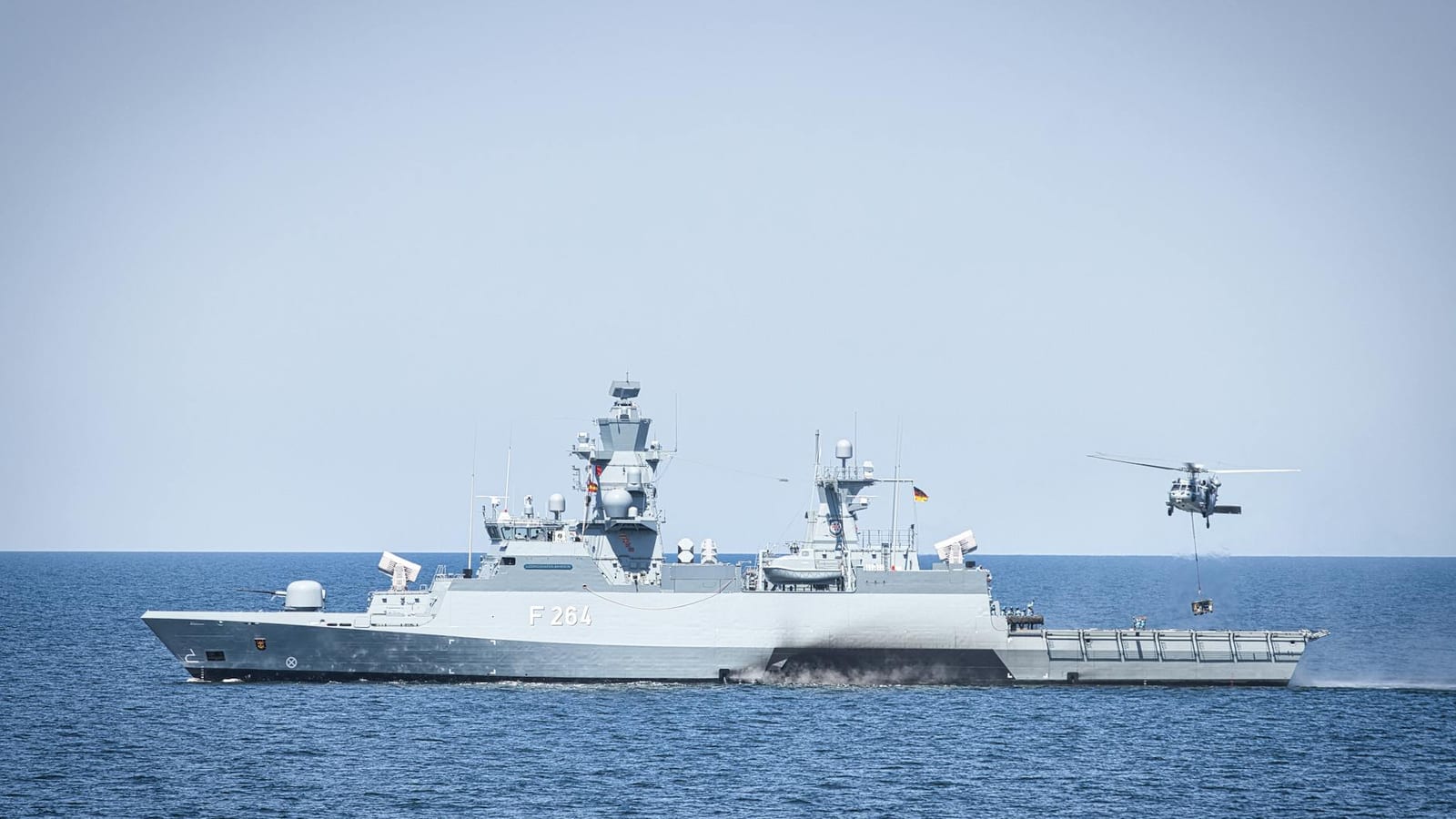
A missile loaded on a ship is not just a military detail. For India, it can also become a pricier petrol bill, a delayed cargo shipment, or a cancelled Gulf business trip.
That is why the latest turn in the US, Iran and Israel crisis matters far beyond the Middle East. US President Donald Trump said he was one hour away from another strike on Iran before talks paused the operation.
He has now given Tehran only a short window to reach a nuclear deal. For a region that moves oil, gas, workers, tourists and trade, that is a very tight clock.
Trump raises pressure on Tehran
Donald Trump said the US may still need to hit Iran again if talks fail. He told reporters that American naval ships had already been loaded with missiles and weapons.
His message was simple. Washington wants Iran to accept limits on its nuclear programme. Trump said Iran could not be allowed to get a nuclear weapon.
He also claimed Xi Jinping had promised that China would not send weapons or military equipment to Iran. That matters because Beijing buys Iranian oil and carries weight in Tehran.
Still, Trump’s language left very little room for calm. He said Iran had only “two or three days” or perhaps till early next week. That is not diplomacy with a long runway.
For ordinary travellers, this kind of public brinkmanship is never abstract. Airlines watch such comments. Insurers watch them. Shipping firms watch them. So do Indian families with relatives working across the Gulf.
Iran wants sanctions lifted
Iran has put forward a proposal through diplomatic channels. Deputy Foreign Minister Kazem Gharibabadi briefed Iranian lawmakers on the talks with Washington.
Tehran says it wants an end to conflicts across the region, including Lebanon. It also wants US sanctions removed, frozen Iranian money released, and naval restrictions lifted.
Iran has also asked for compensation for war damage. It wants US forces to move away from areas near Iran.
That is a large ask. From Tehran’s view, it is a package deal. From Washington’s view, the main concern remains Iran’s nuclear programme.
The sharpest disagreement sits around uranium enrichment. Iran says it has the right to enrich uranium for peaceful purposes. The US fears that this same process can bring Tehran closer to a bomb.
Here is the simple version. Uranium enrichment can fuel a power plant at lower levels. At much higher levels, it can help make a nuclear weapon. That is why the argument becomes so tense.
There were also signs of mixed messaging. Iranian officials suggested Washington may show flexibility on some nuclear activity under international monitoring. A US official did not confirm such concessions.
That gap matters. Peace talks often collapse not only over big principles, but over small words. “Limited enrichment” can mean one thing in Tehran and another in Washington.
Hormuz keeps markets nervous
The Strait of Hormuz is the narrow sea route everyone is watching. A large share of the world’s oil and gas moves through this waterway.
G7 finance ministers said reopening access through Hormuz was essential. Qatar also said no country had the right to block the strait under any circumstances.
For India, this is not just a map problem. A disruption near Hormuz can make crude oil costlier. That can feed into petrol, diesel, aviation fuel and freight costs.
A family planning a summer trip may see higher airfares first. A small manufacturer may see higher shipping bills next. A commuter may feel it at the pump later.
Qatar said two LNG tankers had crossed the waterway, but normal traffic had not returned. LNG means liquefied natural gas. India uses it for power, industry and city gas networks.
So even a partial disruption can create anxiety. Markets hate blocked routes. They hate uncertain routes even more.
This is where geopolitics enters the household budget quietly. Nobody at a Delhi petrol pump needs to follow every speech from Washington. Yet the price board can still reflect those speeches.
Qatar and Pakistan try mediation
Qatar said the Iran-US talks need more time. Its Foreign Ministry spokesperson Majed al-Ansari confirmed contacts with both Washington and Tehran.
Doha also praised Pakistan’s role in carrying messages between the two sides. Pakistan hosted the only round of peace talks last month, according to people familiar with the process.
Trump said he paused the planned attack after requests from Qatar, Saudi Arabia and the UAE. That tells us something important about the Gulf’s mood.
The Gulf monarchies do not want a wider war on their doorstep. They have airports, ports, hotels, energy terminals and millions of migrant workers to protect.
Many Indians know this region through pay slips and boarding passes, not war rooms. Nurses, engineers, drivers, bankers, construction workers and business owners live across these countries.
When missiles fly, their families in Kerala, Telangana, Uttar Pradesh, Punjab and Maharashtra start calling. They do not ask about uranium levels first. They ask whether flights are running.
For travellers, Gulf hubs are also the great crossroads. Doha, Dubai, Abu Dhabi and Riyadh connect Indians to Europe, Africa and North America.
A serious escalation can push airlines to reroute flights. That means longer travel time, higher fuel burn and sometimes higher ticket prices.
Lebanon and Gaza widen the risk
The crisis is not limited to Iran and the US. Israel warned residents of 12 towns in southern Lebanon to evacuate ahead of attacks on Hezbollah targets.
Lebanon’s Health Ministry said more than 3,000 people have died in Israeli attacks since March 2. More than 9,000 have been wounded, according to its figures.
Israel has also continued seizing Gaza-bound aid ships in international waters. That keeps the humanitarian crisis in Gaza tied to the wider regional conflict.
Prime Minister Benjamin Netanyahu appeared in a Tel Aviv court in his corruption trial. Yet the war continues to dominate Israel’s politics and security agenda.
This is the pattern the Middle East has seen too often. One front heats up, then another front answers. Militias, armies, ships, drones and diplomats all move at once.
For Indian travellers, this means reading advisories carefully. It also means taking travel insurance seriously, especially for routes through the Gulf or trips near conflict zones.
Business travellers should watch flight changes, visa notices and airport alerts. Families should keep documents, emergency contacts and embassy details handy.
None of this means panic. It means treating the region with respect. The Middle East is not one place with one risk level. Dubai and southern Lebanon are not the same travel story.
The next few days will decide whether this remains a dangerous negotiation or slides into another round of fire. For India, the lesson is plain. A distant war can arrive here through fuel bills, flight routes and anxious phone calls from abroad. Ordinary people may not sit at the negotiating table, but they often pay for every chair that is kicked away.