Trump Iran strike claim stirs Gulf travel worries
Trump’s claim of a paused Iran strike has raised Gulf uncertainty, with implications for oil, flights, remittances and Indian travel plans.
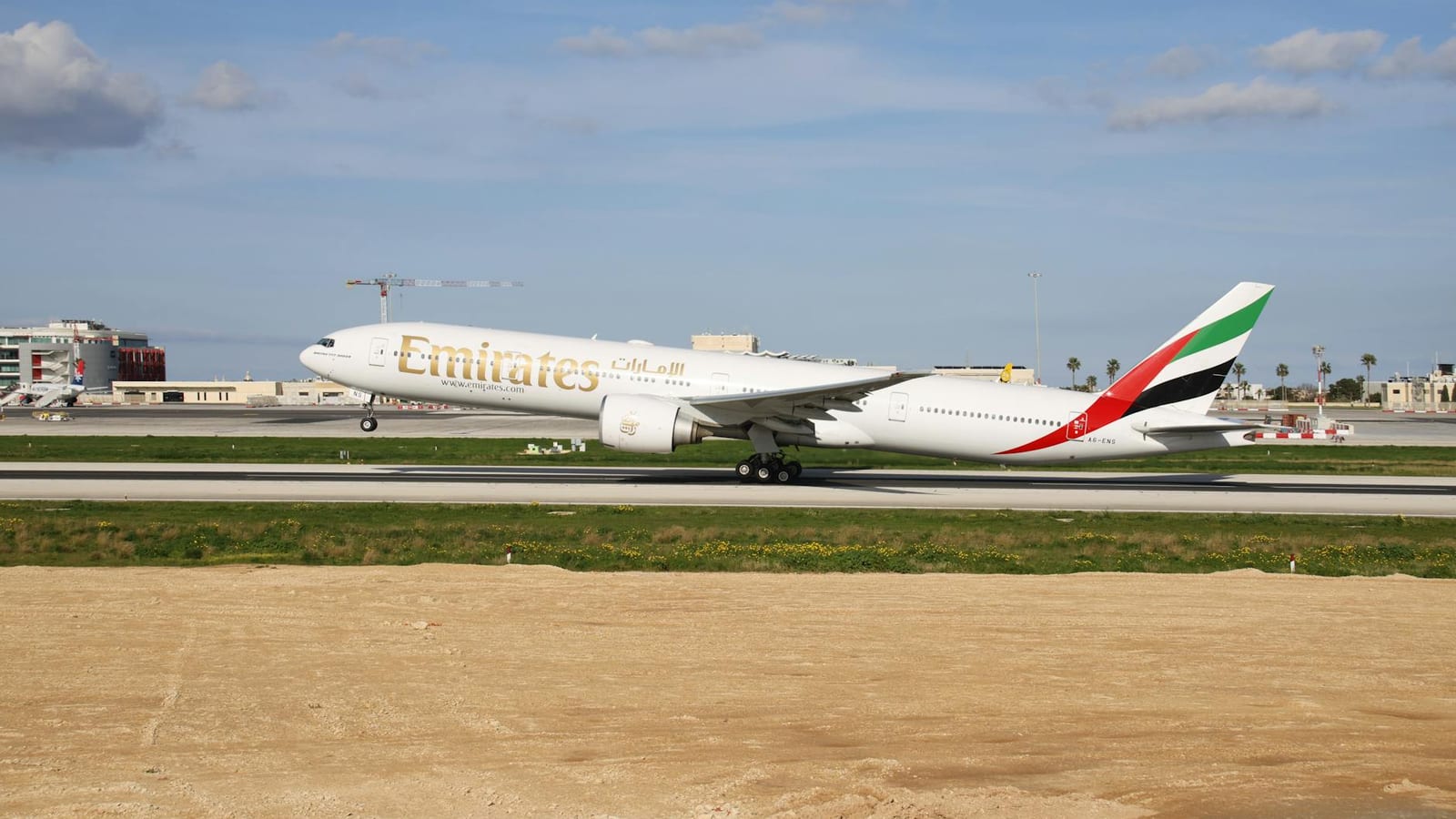
War in the Gulf rarely stays inside war rooms. It reaches petrol pumps, flight routes, family budgets, and nervous airport queues.
That is why Donald Trump saying he was “an hour away” from attacking Iran again matters far beyond Washington and Tehran. For India, this is not distant noise. It sits right on the road that carries oil, jobs, remittances, and travel plans.
The strange part is not just the threat. It is the confusion around it. Trump said Gulf leaders asked him to pause a planned strike. Officials from some of those countries later said they knew nothing about such an imminent operation.
Trump’s pause raises harder questions
Trump told reporters that leaders from Qatar, Saudi Arabia and the UAE wanted more time for talks. He said they believed serious negotiations were underway.
His version suggested a dramatic last-minute pullback. A strike had been planned for Tuesday, he said, but he chose to wait.
Then came the uncomfortable gap. Officials from some Gulf countries said they had no knowledge of the military plan Trump described. That does not mean no private talks happened. It does mean the public story has more smoke than clarity.
This matters because military signalling depends on trust. When a president threatens war, allies need to know what is real. Markets also listen closely. So do shipping firms, airlines, and governments watching oil reserves.
Trump has kept the door open to another attack. He said the United States could move within days if talks fail. He mentioned a short window, possibly by the weekend or early next week.
That is classic pressure politics. You threaten force, then offer talks, then threaten force again. The aim is to make the other side blink first.
But the Middle East has a bad record with controlled pressure. Plans made for limited action often meet unlimited consequences.
Iran’s offer tests Washington
Tehran has now sent a fresh proposal through Pakistan, according to Iranian state media. The offer has 14 points and seeks a broader pause across the region.
Iran wants US sanctions lifted. It also wants frozen Iranian assets released. Tehran has asked for American forces to leave areas near Iran.
Deputy Foreign Minister Kazem Gharibabadi said Iran also wants the US naval blockade removed. He has sought compensation for damage caused during the war.
These are not small demands. For Washington, accepting them would look like a retreat. For Tehran, dropping them may look like surrender.
The White House has not shown enthusiasm. A senior US official described the offer as not enough. Trump has earlier dismissed similar proposals in blunt language.
So both sides are speaking to more than each other. Trump is speaking to voters, allies, and military hawks. Iran’s leaders are speaking to their public, regional partners, and rivals.
That makes compromise harder. Nobody wants to look weak at home. Yet every extra day of tension raises the cost for people who never entered this fight.
Gulf states fear the spillover
The Gulf countries sit in the middle of this fire. They host American military assets, trade with the world, and depend on stability.
They also know what Iranian retaliation can look like. Energy facilities, ports, airports, and shipping channels all become targets in a wider conflict.
The Strait of Hormuz remains the most watched stretch of water here. A large share of the world’s oil passes through this narrow route.
When shipping slows there, the effect travels quickly. Oil prices rise. Insurance costs for ships rise. Airlines rethink routes. Importing countries feel the pinch.
India feels it faster than many others. We import most of our crude oil. A jump in global prices can make petrol, diesel, cooking gas, and transport dearer.
That does not always hit on day one. But it seeps through the economy. Trucking costs rise. Food transport becomes costlier. Small businesses feel the squeeze.
For Indian families in the Gulf, the worry is more personal. Millions of Indians work across Saudi Arabia, Qatar and the UAE. Their salaries support homes across Kerala, Uttar Pradesh, Telangana, Bihar and many other states.
A wider conflict can disturb jobs, visas, flights and remittances. Even when daily life continues, uncertainty changes behaviour. Families delay travel. Workers avoid unnecessary movement. Employers become cautious.
India watches the oil route
New Delhi has to read this crisis with a cold head. India has ties with the United States, deep energy interests in the Gulf, and civilisational links with Iran.
It also has citizens across the region. Any escalation would quickly become a consular challenge. Evacuation planning is not just a file in South Block. It can become a national operation overnight.
For travellers, the first impact may come through flight paths and fares. Airlines avoid risky airspace when tensions rise. Longer routes can mean higher fuel burn and delays.
Families planning summer trips to Dubai, Doha or Abu Dhabi may not cancel immediately. But they will watch alerts more closely. Business travellers will do the same.
Travel insurers and airlines also react to risk. Policies can change. Refund rules may become important. Airport disruptions can ripple across connecting routes.
There is another layer for religious and family travel. Many Indians use Gulf hubs for onward journeys. Any disruption at Doha, Dubai or Abu Dhabi can affect far more than Gulf-bound passengers.
The practical advice is simple. Travellers should track airline updates, official advisories, and visa conditions. They should avoid relying only on social media clips.
But the larger lesson is sharper. In this region, a missile threat and a boarding pass often belong to the same story.
A familiar gamble returns
Trump says the United States cannot allow Iran to obtain a nuclear weapon. That argument has shaped American policy for decades.
Iran says it wants sanctions relief, security guarantees, and an end to pressure near its borders. That too has been a long-running demand.
The problem is that both sides now treat pressure as proof of seriousness. Washington believes military threat can force a deal. Tehran believes resistance can improve its bargaining position.
Gulf leaders want neither a nuclear-armed Iran nor a regional war. They want trade, tourism, investment and calm oil markets. Yet they cannot fully control either Washington or Tehran.
This is why the confusion over Trump’s claim matters. If Gulf leaders truly asked for more time, diplomacy still has a channel. If they did not know about the planned strike, coordination looks weak.
For ordinary Indians, this story may seem far away until fuel prices move, flights change, or a relative in the Gulf calls home worried. That is usually how global crises enter Indian life. Not through speeches, but through bills, routes, jobs and anxious phone calls.
The next few days will show whether Trump’s pause was a real diplomatic opening or just a shorter countdown. For now, the region is living between two clocks, one measuring talks, the other measuring war.