Trump Iran strike claim puts Gulf travel on edge
Trump says Gulf leaders urged him to pause Iran strikes, but regional officials deny knowing of any plan, raising concerns for Indian flyers.
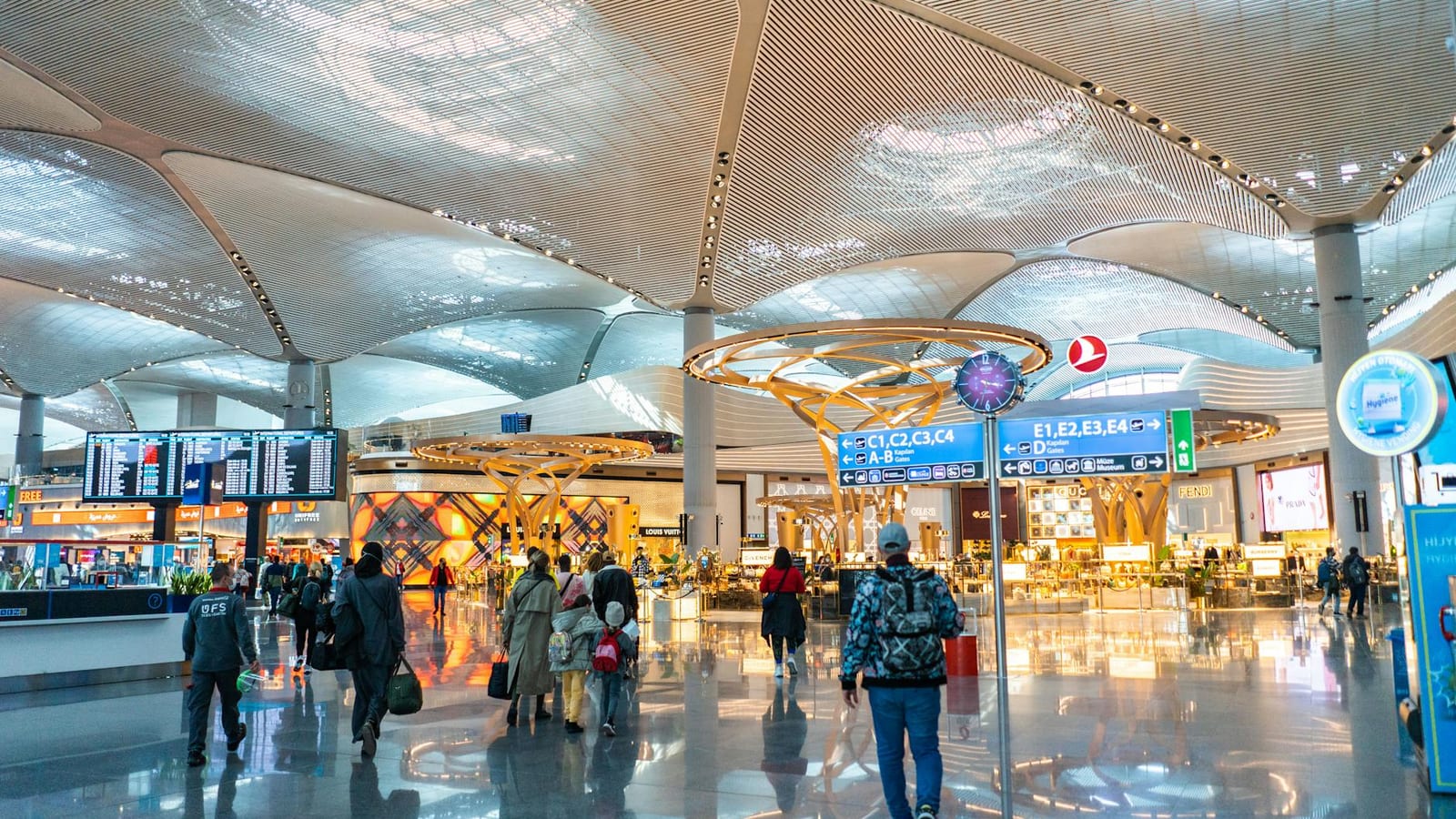
For Indians who fly through Doha, Dubai or Abu Dhabi, West Asia is not distant news. It is the route map home, the job market, the oil bill, and sometimes the family WhatsApp group all at once.
That is why Donald Trump saying he almost approved fresh strikes on Iran should worry more than diplomats. It should worry students booking connecting flights, workers returning from the Gulf, and families watching airfares before summer travel.
Trump now says Gulf leaders asked him to hold back. Officials from some Gulf countries have pushed back, saying they knew nothing about the planned attack he described.
Gulf allies sound uncertain
Trump said leaders of Qatar, Saudi Arabia and the United Arab Emirates urged him to pause military action. He said they wanted more time for talks with Tehran.
That claim matters because these countries host key travel hubs and large Indian communities. Doha, Dubai, Abu Dhabi and Riyadh are not just capitals on a map. They are transit points for millions.
But officials from some of these Gulf states later said they had no knowledge of any imminent American operation. That gap is not a small detail. In a crisis, confusion can be as risky as anger.
The Gulf has spent years trying to avoid becoming the battlefield for America and Iran. Its rulers want security guarantees from Washington. They also want open skies, steady oil exports, and calm investor confidence.
For ordinary travellers, that calm has real value. When airlines sense danger, routes change quickly. Longer flight paths mean longer journeys, tighter connections, and higher costs.
Trump keeps strike option open
At the White House, Trump said he had been just an hour away from deciding on fresh strikes. He then suggested action could still happen within days if talks failed.
He framed the issue around Iran’s nuclear programme. Trump said the United States could not allow Tehran to acquire a nuclear weapon. He also claimed Iranian leaders were now desperate for a deal.
This is familiar Trump theatre, part warning, part pressure tactic. But military threats are not theatre for people living and working near the Gulf.
A limited strike can still trigger a wide response. Iran has shown before that it can target shipping, energy sites and military-linked infrastructure. Even a short confrontation can ripple across airports and ports.
For Indian travellers, the first signs may not be dramatic. They may show up as changed departure times, sudden fare spikes, or insurance warnings. Tour operators may quietly advise clients to avoid risky connections.
The Gulf route is especially important for Indians. It serves migrant workers, business travellers, students, pilgrims and families. When West Asian airspace becomes tense, India feels it almost immediately.
Iran offers hard terms
Iran has tried to reopen talks through indirect channels. Iranian state media said Tehran sent a 14-point proposal through Pakistan.
The proposal reportedly seeks a pause in conflicts across the region, including Lebanon. It also asks for sanctions relief, release of frozen assets, and removal of American forces near Iran.
Iranian Deputy Foreign Minister Kazem Gharibabadi also mentioned compensation for damage from the war. He called for the US naval blockade to be removed.
Washington does not seem impressed yet. A senior US official said the proposal did not go far enough. Trump had earlier dismissed similar terms in blunt language.
This is where diplomacy gets stuck. Iran wants relief and security guarantees. The United States wants nuclear limits it can sell as a victory.
Neither side wants to look weak. That makes compromise harder. It also makes every public statement more dangerous.
For Indian readers, the nuclear argument can sound abstract. Think of it this way. America wants to stop Iran from gaining a weapon that could alter regional power. Iran wants enough bargaining power to survive sanctions and pressure.
Between those two goals sit people who just want stable lives. A nurse in Dubai, a technician in Doha, or a family flying to Kerala through Abu Dhabi cannot control any of this.
Strait pressure hits everyone
The Strait of Hormuz is the narrow waterway everyone watches in this crisis. A large share of the world’s oil moves through it.
If the Strait slows, oil traders react fast. Prices rise before most people understand what happened. India then feels it through fuel costs, aviation fuel, freight charges, and inflation.
That is why even rumours matter. A drone attack, a seized tanker, or a sharp statement can move markets. It can also make airlines reassess routes.
The current crisis has already affected shipping. Iran has restricted movement through the waterway, while the US blockade has added pressure. This creates uncertainty for energy importers.
India imports most of its crude oil. So a Gulf shock does not stay abroad. It reaches petrol pumps, airline tickets, grocery bills and company margins.
The travel industry watches these signals closely. Airlines run on thin margins. If fuel prices jump, cheap fares disappear first.
Families planning holidays usually notice this late. By then, fares have moved, refunds have tightened, and connecting options have shrunk.
India watches a familiar risk
India has lived with West Asian uncertainty for decades. The difference now is scale. The Gulf is tied deeply to India’s economy, remittances, aviation and energy security.
Millions of Indians live and work across the region. Their earnings support households in Kerala, Telangana, Uttar Pradesh, Bihar, Punjab and many other states.
When tensions rise, families do not ask about grand strategy first. They ask if flights are safe. They ask if jobs will continue. They ask if money can be sent home on time.
The government in New Delhi usually walks a careful line in such moments. It avoids loud statements, keeps channels open, and prepares for consular support if needed.
Travel advisories become important here. So do airline updates. Anyone flying through the Gulf in the coming days should watch official alerts, not social media panic.
The practical advice is simple. Keep documents handy. Avoid very tight connections. Track airline messages. Consider travel insurance that covers disruption, not just medical emergencies.
Business travellers should also build in buffer time. In a tense region, a smooth itinerary can change overnight.
For now, the world is waiting to see whether Trump chooses talks or strikes. Iran’s proposal has not unlocked a deal. Gulf states appear keen to avoid a wider war, even as they deny knowing about the operation Trump described.
The larger lesson is old but still useful. West Asia’s crises rarely stay within West Asia. For Indians, they travel through flight boards, fuel prices and family budgets. The next few days may decide whether this remains another tense headline, or becomes a disruption ordinary people must pay for.