Suspected Gulf oil slick puts Iran crude storage in focus
Satellite images show a suspected slick near Kharg Island as US restrictions leave Iranian crude exports stalled and storage options under strain.
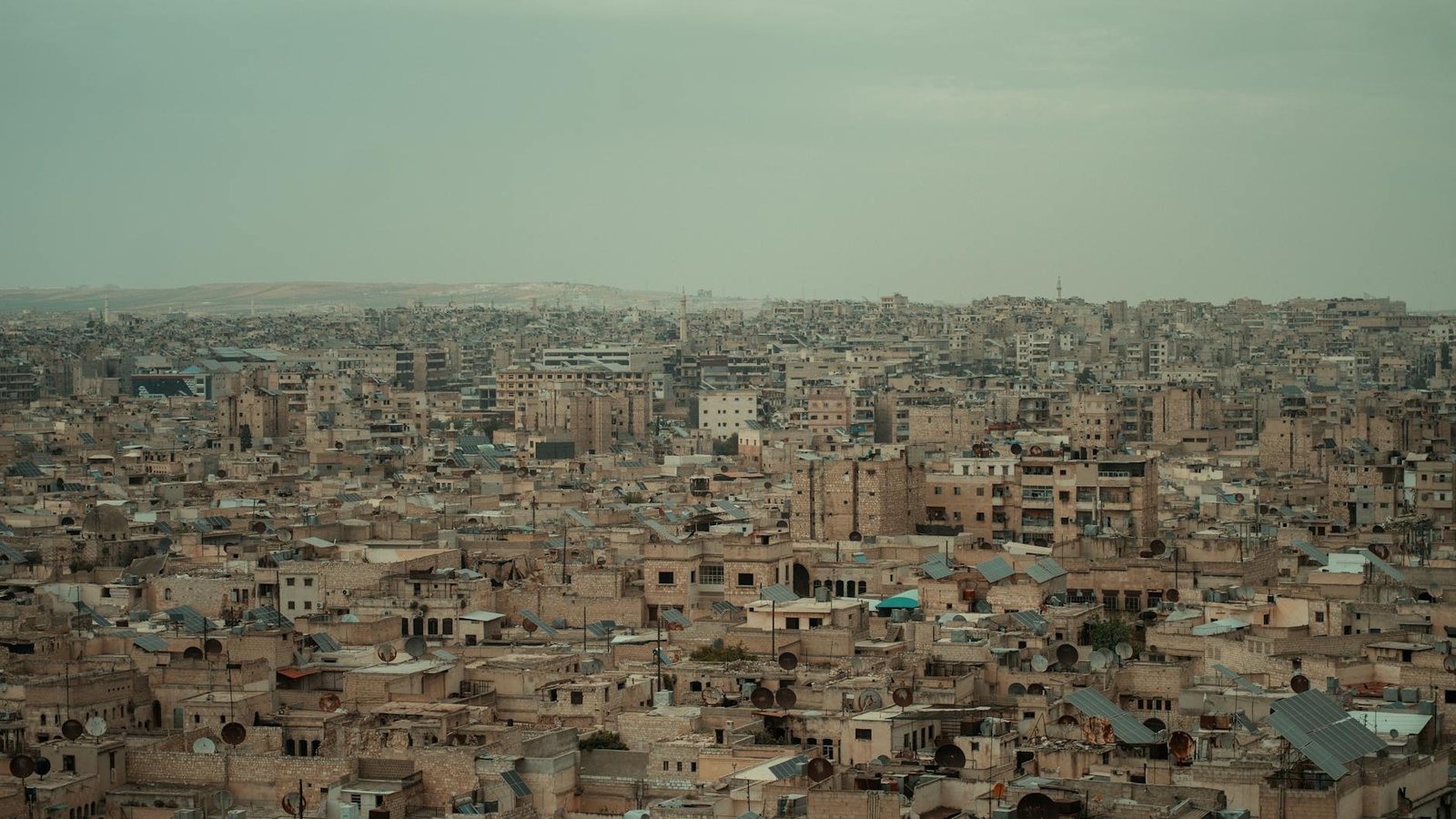
A dark stain on the Gulf can feel far away, until petrol prices move at home.
Satellite images from May 6 to May 8 show a suspected oil slick near Iran’s Kharg Island, the small but vital export hub that handles most of Tehran’s crude shipments. The slick appeared west of the island, close to oil infrastructure and tanker routes.
The cause remains unclear. Analysts say the pattern looks like oil, but satellite pictures alone cannot prove it. Algae, sediment, natural films, and light can sometimes create similar marks.
Still, the timing has raised hard questions.
Iran’s oil system is under intense pressure. The United States has blocked Iranian ports and tanker movement since mid-April, after weeks of conflict involving Iran, Israel, and American forces. That has left crude stuck inside a country built to pump and export.
Iran produces more than three million barrels of crude a day. Much of that normally moves through Kharg Island. When ships cannot leave, oil has to go somewhere.
At first, Iran could store crude on land. Then it reportedly moved old tankers offshore and used them as floating tanks. That trick has bought time before. It is common in sanctioned oil trade.
But storage is not endless. Once tanks fill up, the pressure moves underground, quite literally.
Oil wells are not taps in a kitchen. You cannot always shut them and restart them without damage. If production stops for too long, water and gas can enter the rock formations. Wax, sediment, and pressure changes can also hurt future output.
That is why producers often keep wells running even during market shocks. Stopping looks simple from outside. Inside the reservoir, it can become an expensive wound.
This is the uncomfortable question now hanging over the Gulf. Has Iran run out of room and begun releasing crude into the sea? Or are these leaks from damaged, ageing, or overloaded facilities?
Iranian officials have not publicly accepted responsibility for the Kharg slick. Abbas Asadrouz, who heads Iranian Oil Terminals Company, has denied leaks from the Kharg terminal. An Iranian lawmaker, Jaafar Pourkabgani, blamed ballast water from a European tanker.
That explanation may or may not hold. Ballast water is seawater carried by ships for balance. If handled badly, it can carry oily waste.
But the wider context is hard to ignore. Kharg Island has old pipelines, storage tanks, jetties, and loading systems. War pressure, sanctions, and hurried storage fixes make accidents more likely.
The Conflict and Environment Observatory has said the slick looked visually consistent with oil. Its researcher Leon Moreland estimated one patch at around 45 square kilometres. Orbital EOS, an oil-spill monitoring firm, put another estimate above 20 square miles.
For ordinary readers, these numbers need translation. Forty-five square kilometres is not a puddle. It is roughly the size of a mid-sized Indian town.
Oil slicks do not just sit prettily on water. They spread, thin out, drift, and break into layers. A little crude can coat a wide area.
Fish suffer first. Oil can damage gills, eggs, and breeding grounds. Seabirds can lose the waterproofing in their feathers. Coral reefs and coastal habitats can take years to recover.
Fishing communities across the Gulf depend on these waters for daily income. A spill can shut catches, poison trust in seafood, and damage livelihoods long after the stain fades.
Southern Oman has also seen dead shrimp wash ashore in large numbers. Scientists often link such events to low oxygen or strong currents. Even so, the timing has made coastal communities more nervous about wider stress in the sea.
India should watch this closely, and not only as an oil consumer.
The Gulf is not just a line on an energy map for India. It is where millions of Indian workers live, save, and send money home. It is also a busy travel corridor for families, pilgrims, business travellers, and migrant workers.
When the Strait of Hormuz gets tense, air routes, shipping schedules, insurance costs, and fuel prices all feel the heat. Airlines do not need a full war to raise fares. They only need risk, longer routes, and costly fuel.
A family flying from Kochi to Dubai may not track Kharg Island. A small exporter in Surat may not follow tanker movements. A cab driver in Jaipur may never read about floating storage.
But all three can feel the outcome.
If crude gets costlier, diesel and petrol prices become harder to manage. Transport costs rise. Vegetables, cement, courier bills, and school bus fees can all carry that extra cost in small ways.
India has handled oil shocks before. The country buys crude from many suppliers and keeps strategic reserves. But the Strait of Hormuz remains too important to shrug off.
Roughly one-fifth of global oil and gas shipments pass through those waters. That includes supplies important to Asia. When traders price risk into oil, Indian consumers meet that risk later.
The irony is bitter. The world worries about shortages, while unsold crude may be staining the sea.
Iran, for its part, has tried to keep oil moving through shadow routes. Maritime tracking has pointed to ship-to-ship transfers far from the Gulf, including waters near Indonesia’s Riau Archipelago. Such transfers can hide a cargo’s origin and help crude reach buyers, often through layered ownership and flags.
This is not new. Iran has used such channels for years to work around sanctions. Tankers go dark, rename cargoes, shift loads at sea, and reappear in Asian supply chains.
But a blockade changes the game. It does not only target paperwork. It chokes the physical exit routes.
That makes Kharg Island the pressure point. It is both a port and a symbol. If crude cannot move from there, Iran’s main revenue engine starts coughing.
For Tehran, the stakes are political and economic. Oil pays bills. It funds the state. It gives Iran bargaining power when diplomacy turns cold.
For Washington, the blockade aims to squeeze that power. Yet blockades rarely stay neat. They hit markets, crews, insurers, coastal waters, and ordinary consumers far from the battlefield.
For the Gulf, the ecological cost may become the most visible scar. A missile strike can be counted. A tanker can be tracked. But oil in water spreads beyond press briefings.
The next few days matter. If fresh satellite images show no new slicks, this may remain a serious but limited incident. If more patches appear, the story will shift from suspicion to pattern.
International monitors will also look for cleanup activity. A real spill demands containment booms, skimmers, dispersants, and vessels. A war zone makes all of that harder.
India has no reason to panic. It has every reason to pay attention.
Energy shocks rarely arrive as one dramatic bill. They seep into household budgets. They enter through taxi fares, flight tickets, freight rates, and grocery prices.
That is why a grey slick near Kharg Island is not only Iran’s problem. It is a warning from a narrow stretch of water that still holds the world’s economy by the throat.