Shorter Indian holidays push travellers beyond hill stations
Indian travellers are turning three-day breaks into slower heritage, food and wellness trips, widening demand beyond Goa, Manali and Jaipur.
The Indian holiday is getting shorter, sharper, and a little more thoughtful.
Not everyone is waiting for a two-week break anymore. Many travellers are stealing three days from the calendar, packing light, and leaving before the inbox catches up.
This summer, that shift is visible across India. Families are looking beyond the standard hill station rush. Young working couples want places that feel quiet, but not cut off. Older travellers want heritage, food, and comfort without the chaos.
The result is a more layered travel map. India is no longer just Goa in December, Manali in May, and Jaipur in winter. The new traveller is asking a better question: what can I experience properly in a short window?
That is why places like Karaikudi matter. The Tamil Nadu town is not built for hurried sightseeing. Its grand Chettinad mansions, antique shops, handloom sarees, and spice-heavy food ask you to slow down.
For Indian travellers used to checklist tourism, that is a useful correction. You do not “cover” Karaikudi. You walk through it, eat slowly, and let its old mercantile history show itself.
The same logic applies to Buddhist travel circuits. Bodh Gaya, Sarnath, Kushinagar, Vaishali, and Dharamshala are not just religious stops. They are also living cultural routes.
Buddha Purnima has again pushed attention toward these places. Pilgrims come for faith, but many others come for stillness. That is a very modern need, even if the sites are ancient.
Bodh Gaya carries the weight of enlightenment. Sarnath holds the memory of the Buddha’s first teachings. Kushinagar marks the final journey. These are not museum stories. They still shape travel, prayer, food, and local livelihoods.
For hotel owners, guides, drivers, monks, vendors, and small restaurants, these circuits bring seasonal income. For visitors, they offer something rarer than a photo spot. They offer a pause.
That pause is becoming the new luxury.
Earlier, luxury travel in India often meant a large resort, a pool, and a long buffet. Now, a quiet town, a clean homestay, and two slow mornings can feel richer. Micro escapes are changing the meaning of indulgence.
A micro escape is simple. You take a short break close enough to reach without stress. You spend less time in transit and more time actually being somewhere.
For a professional in Bengaluru, that may mean Yercaud or the Nilgiris. For someone in Delhi, it could be Bhowali, Nainital, or a lesser-known Himachal village. For Mumbai travellers, Jawhar can offer hills and old-world calm without a flight.
This trend is practical. Airfares can climb sharply during school holidays. Leave policies are tight. Trains fill early. Parents cannot always plan long vacations around exams, office deadlines, and family obligations.
So the weekend has become a serious travel product.
But the rush for quieter places brings its own problem. Once everyone discovers a quiet town, it stops being quiet. The Himalaya knows this story too well.
Himachal and Uttarakhand now face the tricky task of welcoming tourists without crushing fragile landscapes. Trails, forests, lakes, meadows, and mountain roads cannot absorb endless pressure.
Places near Kedarnath show both sides of the story. The main pilgrimage route draws huge crowds. But nearby forests, lakes, and remote trails still offer calm for trekkers and nature lovers.
That calm will not survive careless tourism. Plastic waste, traffic jams, illegal construction, and noisy camping can ruin a mountain faster than most visitors realise.
A green Himalayan future needs more than pretty slogans. It needs waste systems, visitor limits where required, trained local guides, and travellers who behave like guests.
For Indian families, this is not an abstract concern. A polluted hill station means bad roads, dirty streams, expensive rooms, and a poorer holiday. The environment is not separate from the travel experience. It is the experience.
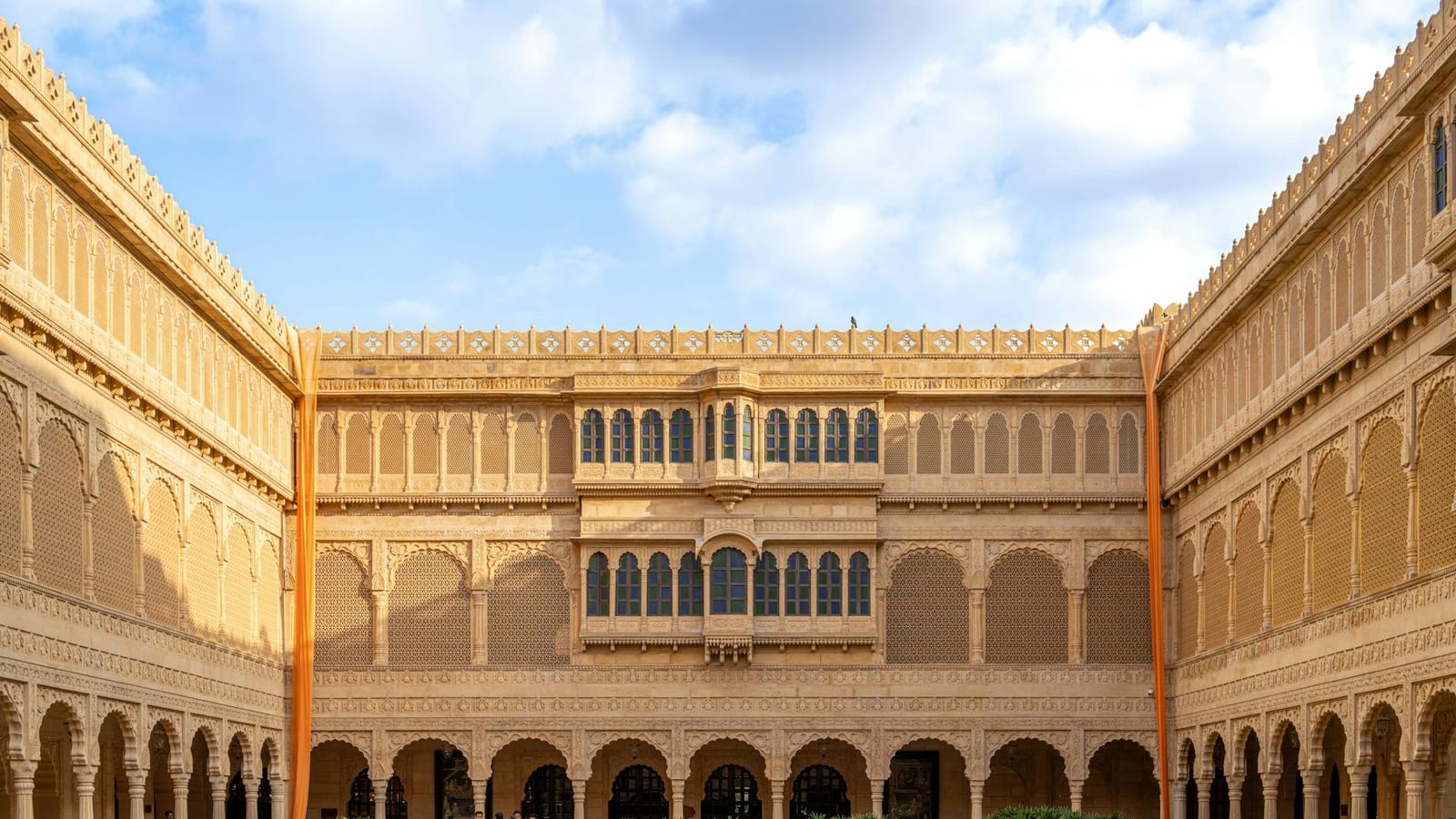
The desert tells another story. Jaisalmer can surprise anyone raised on green hills and monsoon landscapes. Its beauty works differently.
There, nature is not lush. It is open, sharp, and quiet. The light changes the land through the day. Sand, stone, and sky do most of the talking.
For first-time visitors, that can be a useful shock. India’s natural beauty is not only forests and waterfalls. It is also silence, heat, space, and restraint.
Waterfall treks are another growing pull, especially for younger travellers. Across India, lesser-known waterfalls now attract people willing to walk through forests and valleys for a better view.
That sounds romantic, but it also needs preparation. Good shoes, local advice, weather checks, and basic fitness matter. A social media reel does not show slippery stones, sudden rain, or poor mobile signal.
This is where better travel writing and better travel planning matter. The best trips are not always the most famous ones. They are the ones where expectations match reality.
Take heritage after sunset. Many Indian monuments look different at night. Lighting can reveal arches, carvings, and scale in a fresh way. It can also flatten a building if done badly.
For travellers, night visits can help beat the heat and crowd. For cities, they can spread tourist traffic beyond daytime hours. For conservationists, lighting must respect the monument, not turn it into a stage prop.
That balance will decide how India’s heritage sites feel over the next decade.
The coming summer will test many of these ideas. Hill towns will fill up. Families will chase cooler air. Pilgrimage centres will see heavy movement. Smaller towns will get travellers who once ignored them.
This is good news for local economies, if handled well. A homestay owner, a taxi driver, a guide, a weaver, or a food stall can all gain when tourism spreads beyond the usual circuit.
But spread alone is not enough. Travellers need better information. Towns need better facilities. State governments need to plan before the crowd arrives, not after the road is blocked.
For ordinary Indians, the message is fairly simple. Travel does not have to mean running through five places in four days. It can mean choosing one place and paying attention.
A short break can still be meaningful. A family trip can be calm. A pilgrimage can also teach history. A desert can be as moving as a mountain.
The next phase of Indian travel will belong to people who look beyond the obvious, but travel with care. That means booking wisely, respecting local rhythms, and leaving places able to welcome the next visitor.
The holiday, after all, is changing. The best travellers will change with it.