Short, Slower Getaways Reshape India Travel Demand
Indian travellers are choosing shorter, quieter breaks, with demand rising for micro escapes, spiritual circuits, food trails and village stays.
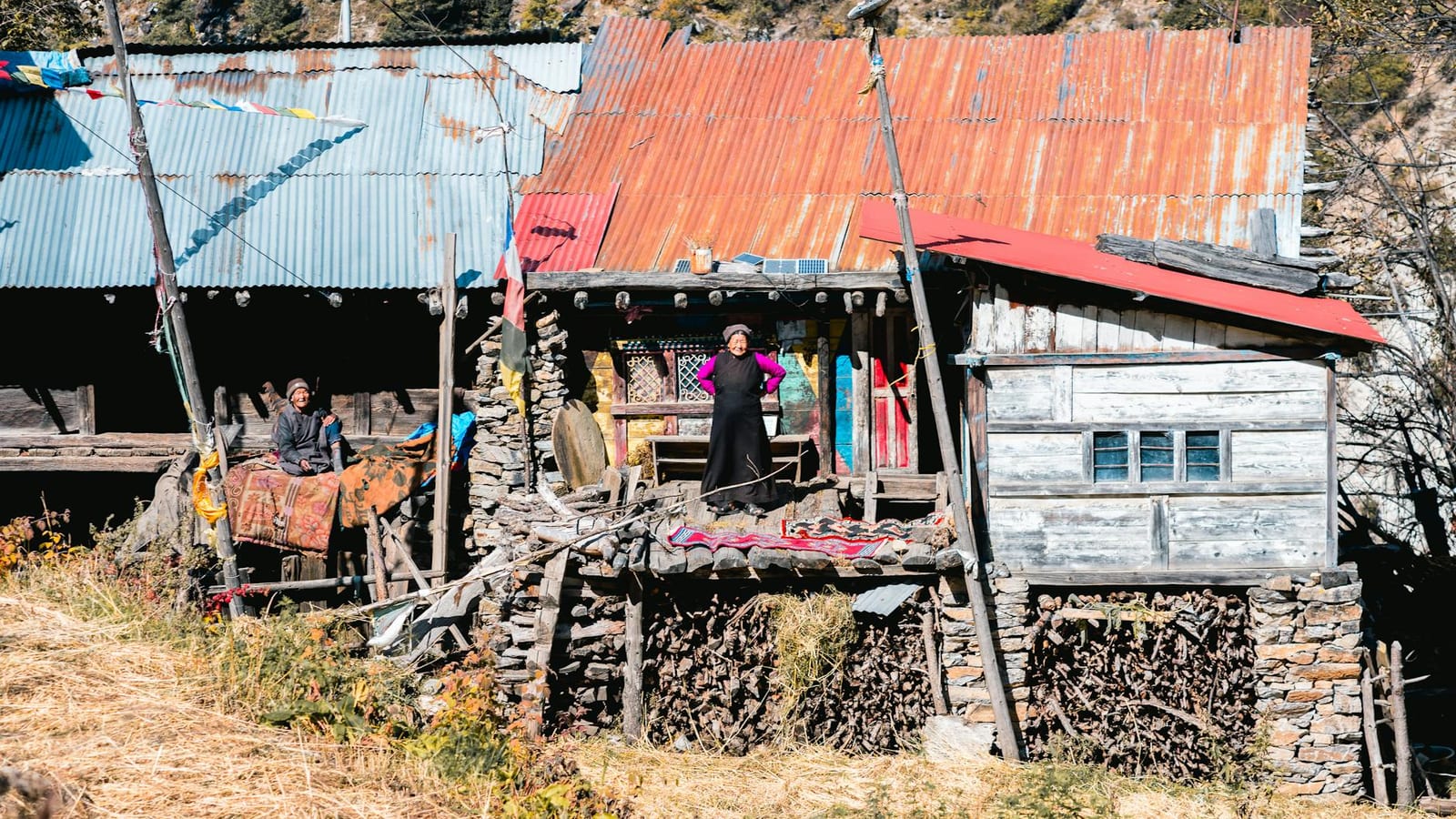
The Indian summer traveller is no longer just asking, “Where is it cool?” The sharper question now is, “Where can I breathe for three days without fighting a crowd?”
That small change says a lot about travel in 2026. Indians still love the big hill station, the famous temple, and the family beach break. But many now want slower places, shorter trips, and journeys with some meaning.
This is why India’s travel map feels more layered this season. The same traveller may plan a Buddhist circuit, a Chettinad food trail, and a quick Himalayan village stay.
Short breaks are getting smarter
The long holiday is not dead. It is just harder to plan.
Flights cost more near school breaks. Hotels fill quickly. Work calendars leave little room. So the three-day escape has become the new luxury for many urban Indians.
That explains the rise of micro escapes. These are short, focused trips, often near major cities. Think a quiet hill town, a heritage stay, or a food-led weekend.
For working couples, this means fewer leave approvals. For families, it means less packing and less airport fatigue. For hotel owners in smaller towns, it can mean business beyond peak season.
India’s spiritual map is widening
Pilgrimage travel has always moved India. What is changing is the kind of traveller joining the route.
Bodh Gaya, Sarnath, Dharamshala, Kushinagar, and Odisha’s Buddhist sites are drawing more than traditional pilgrims. They now attract history lovers, solo travellers, and younger Indians seeking quieter journeys.
Buddha Purnima 2026 placed fresh attention on these routes. But the interest is not limited to one day. These places carry a slower rhythm, which appeals in a noisy travel market.
The real charm lies in how grounded these journeys feel. Bodh Gaya is not only about enlightenment as an idea. It is about a real landscape, a tree, a town, and people arriving with private questions.
That is where Indian spiritual travel differs from simple sightseeing. The monument is not the whole story. The mood around it matters just as much.
Smaller towns carry deeper stories
Karaikudi is a good example of where Indian travel is heading.
The town offers grand Chettinad mansions, antique markets, handloom sarees, and fiery local food. None of this works well as a rushed checklist. You need time, appetite, and curiosity.
This is the kind of place where travel becomes more than photos. A visitor understands how trade, architecture, food, and family wealth shaped a region.
The same pattern appears in places like Jaisalmer. Many Indians grow up thinking beauty means green hills and flowing water. The desert quietly challenges that idea.
In Jaisalmer, light does much of the work. The sand changes colour through the day. The silence makes space feel larger. For first-time visitors, that can feel strangely moving.
The Himalayas need patience
The mountains remain India’s default summer escape. But the old hill-station formula is showing strain.
Traffic jams, plastic waste, crowded viewpoints, and rushed construction now shadow many famous routes. The Himalayas can absorb wonder, but not careless pressure forever.
That is why travellers are looking beyond the obvious stops. In Himachal Pradesh, smaller villages and lesser-known valleys are gaining attention in May. Near Kedarnath, forests, lakes, and meadows offer quieter options beyond the main shrine route.
This shift can help local economies. Homestays, guides, drivers, and small cafes benefit when visitors spread out. But it also brings risk if fragile places repeat the mistakes of crowded ones.
The better mountain trip now needs planning and restraint. Carry back waste. Avoid loud music on trails. Choose local stays where possible. Walk when the route allows it.
Heritage looks different after sunset
India’s monuments are also being seen in a new light, quite literally.
Night views and lighting projects can change how people experience old structures. A fort, temple, or palace can feel more dramatic after sunset. Details that disappear in harsh daylight may suddenly stand out.
But lighting can also flatten character if done badly. Too much brightness can turn a living monument into a stage set.
This matters because heritage travel is not only about access. It is about respect for mood, material, and memory. A site should not lose its old soul while trying to look new.
For travellers, night heritage walks can be rewarding. They often suit families, photographers, and older visitors who avoid daytime heat. The practical side matters too, including transport, safety, ticketing, and crowd control.
India’s travel story in 2026 is not about one big trend. It is about many small shifts happening together. We want shorter breaks, but richer ones. We want famous places, but not always the famous crowd. We want comfort, but also some connection to history, food, faith, and landscape. The smartest traveller this season may not be the one who goes farthest. It may be the one who slows down enough to actually notice where they are.