Short domestic getaways reshape India's 2026 travel plans
Indian travellers are choosing more frequent short breaks, with hill towns, food-led trips and quiet valleys gaining ground for 2026 holiday planning.
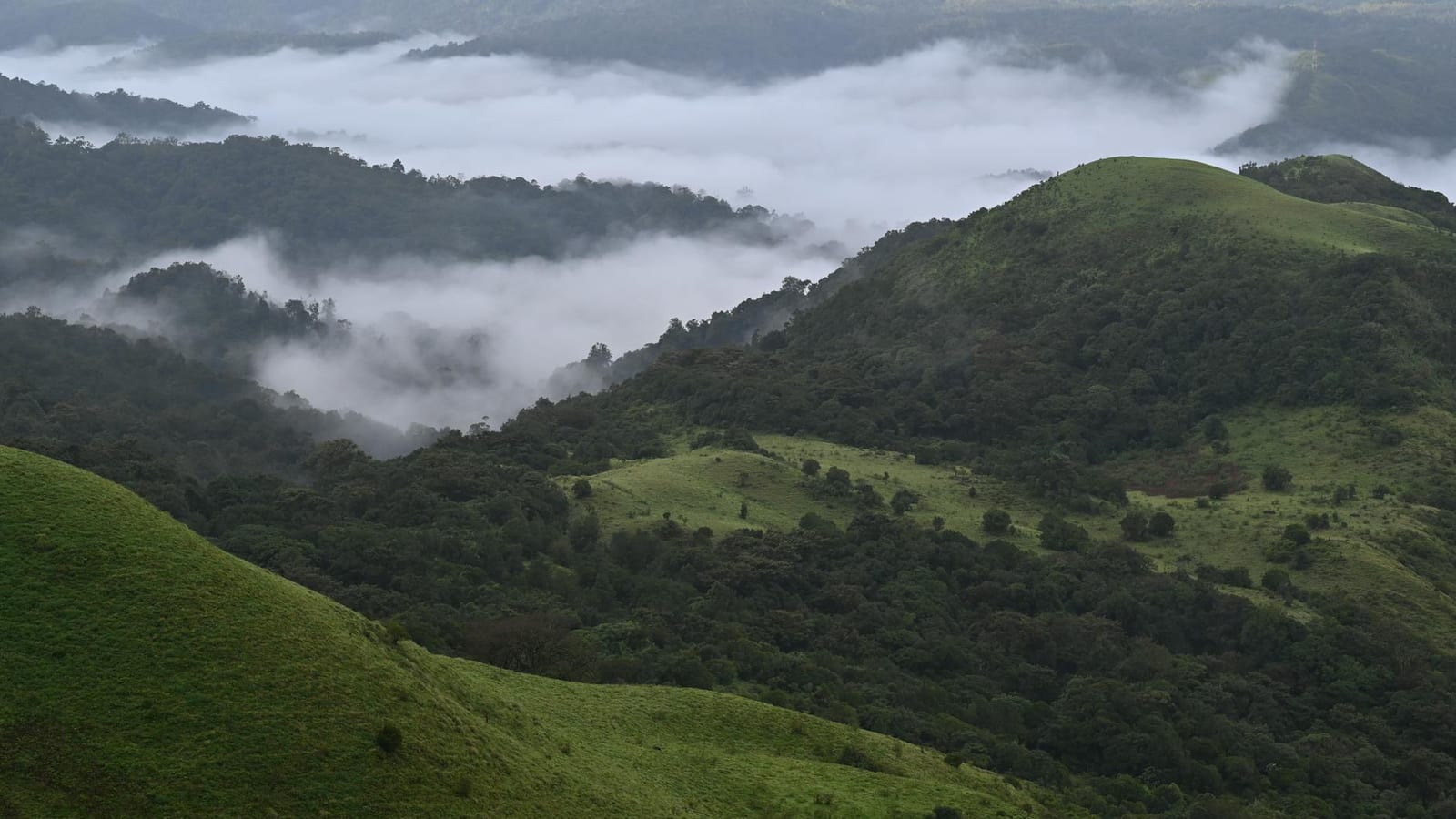
The Indian summer holiday has quietly changed shape. Families still want cool air, but they also want fewer crowds, shorter drives, and places that feel less rehearsed.
That is why 2026 travel planning looks less like one big annual vacation. It looks more like a string of small escapes. A long weekend in the hills. A food-led town break. A Buddhist circuit trip timed around a festival. A quiet valley before the peak rush.
Short breaks become the new luxury
The biggest shift is simple. Indians are taking shorter holidays, but taking them more often.
These micro escapes suit busy urban lives. A working couple in Mumbai or Bengaluru may not manage ten days away. But two nights near a hill town, forest lodge, or coastal village now feels possible.
This is not just about saving money. It is about saving planning time. People want trips that do not need visa forms, long flights, or weeks of coordination.
That is why destinations within driving or short-flight distance are seeing fresh interest. Delhi travellers look at Uttarakhand and Himachal. Bengaluru families scan Yercaud, Coorg, and the Nilgiris. Mumbai residents watch the Western Ghats and Konkan coast.
The old idea of luxury was a grand hotel and a long itinerary. The new one is quieter. It means clean air, fewer phone calls, and a place where breakfast does not feel rushed.
Hill stations beyond the usual rush
The hills still dominate summer travel in India. But the mood has changed.
Shimla, Manali, Mussoorie, and Nainital remain popular. Yet many travellers now know the trade-off. Peak-season traffic can turn a mountain holiday into a parking-lot holiday.
That explains the rising curiosity around smaller Himalayan stops. Places like Sissu in Himachal Pradesh appeal because they offer dramatic scenery without the usual hill-station chaos.
Sissu sits beyond the Atal Tunnel, in the Lahaul region. For many first-time visitors, the surprise is the sudden change in landscape. The crowded pine-clad hill town gives way to broad valleys, snow peaks, and a slower mountain rhythm.
Other quiet Himalayan escapes are drawing similar attention in May and June. Travellers want meadows, village stays, waterfalls, and small trails. They want the mountains, but not the mall road routine.
This has a practical side too. Lesser-known places often have fewer hotels, limited medical access, and patchy transport. A family with elderly parents or young children must plan more carefully.
Still, the demand is clear. People are no longer asking only, “Where is it cool?” They are asking, “Where can we breathe?”
Pilgrimage routes gain fresh meaning
Not every summer trip is about weather. Some journeys are built around memory, faith, and history.
Buddha Purnima 2026 has put India’s Buddhist sites back into the travel conversation. Bodh Gaya, Sarnath, Kushinagar, Vaishali, and Dharamshala draw pilgrims, scholars, and curious travellers for very different reasons.
Bodh Gaya is where the Buddha is believed to have attained enlightenment. Sarnath marks the place linked to his first teaching. Kushinagar carries the memory of his final journey.
For Indian travellers, these routes offer more than temple visits. They connect Bihar, Uttar Pradesh, Himachal, Odisha, and Bengal through stories that shaped Asia.
There is also a wider Asian connection here. Monasteries from Buddhist countries stand near Indian sacred sites. Thai, Tibetan, Japanese, Sri Lankan, and Bhutanese traditions often sit close together.
That mix can surprise visitors. A traveller may arrive expecting one monument and find a living international religious town.
The challenge is infrastructure. Many pilgrimage towns need better toilets, cleaner approach roads, clearer signage, and more respectful crowd management. Faith brings people in. Basic dignity decides whether they return.
Culture towns offer slower rewards
Away from the mountains, culture-led travel is also finding its audience.
Karaikudi, in Tamil Nadu’s Chettinad region, is a good example. It offers grand mansions, antique markets, handloom sarees, and a cuisine known for bold flavours.
This is not a tick-box destination. It rewards slow walking, local conversations, and curiosity about how trading communities built wealth across generations.
That is where Indian domestic travel is maturing. Visitors are looking beyond beaches and hill views. They now want food trails, architecture, craft, and stories rooted in place.
Kolkata’s Buddhist lanes, Odisha’s Diamond Triangle, and Bengal’s Tagore-linked landscapes fit this pattern too. These are not always easy trips. They ask for patience and some reading before arrival.
But they offer something packaged holidays often miss. They show how culture lives in streets, kitchens, shrines, books, and everyday habits.
Night-time heritage viewing is another growing trend. Lit monuments can bring new drama to old structures. But lighting must respect the site, not overpower it.
A badly lit monument becomes a selfie backdrop. A well-lit one helps visitors notice carvings, arches, and scale after sunset. The difference matters.
Nature travel faces a hard test
India’s outdoor travel boom has a difficult question at its heart. Can fragile places handle the love they are getting?
Waterfall treks, rhododendron trails, forest stays, and high-altitude festivals are pulling more travellers into sensitive landscapes. Ladakh’s apricot blossom season, for instance, offers a beautiful spring window across Leh and Kargil.
These trips support local homestays, drivers, guides, and food businesses. That matters deeply in mountain economies where income windows can be short.
But unmanaged tourism can damage exactly what people came to see. Plastic waste, noisy traffic, water stress, and careless construction already trouble many hill regions.
A trekker may think one chips packet does not matter. Thousands of such small choices become a mountain problem.
The same applies to desert and coastal travel. Jaisalmer’s golden landscape can change how visitors think about nature. But desert ecosystems are not empty spaces. They are delicate, lived-in places.
Responsible tourism cannot remain a brochure phrase. It must show up in rules, pricing, waste systems, and traveller behaviour.
Local communities also need a stronger voice. They know which trails flood, which roads cannot take heavy traffic, and which seasons need restraint.
For ordinary Indian travellers, the message is not to stop travelling. It is to travel with a little more attention.
Choose stays that handle waste properly. Avoid peak choke points when possible. Respect religious places. Hire local guides where the route needs context. Carry back what you carry in.
The next chapter of India travel will not be decided only by Instagram spots or hotel deals. It will depend on whether we can make holidays feel lighter on the places we love. The smartest trip in 2026 may be the one that gives us rest without leaving a mess behind.