Short Breaks Shape India’s 2026 Holiday Travel Calendar
Indian travellers are planning more short breaks in 2026, using weekends, school holidays and city events for easier escapes.
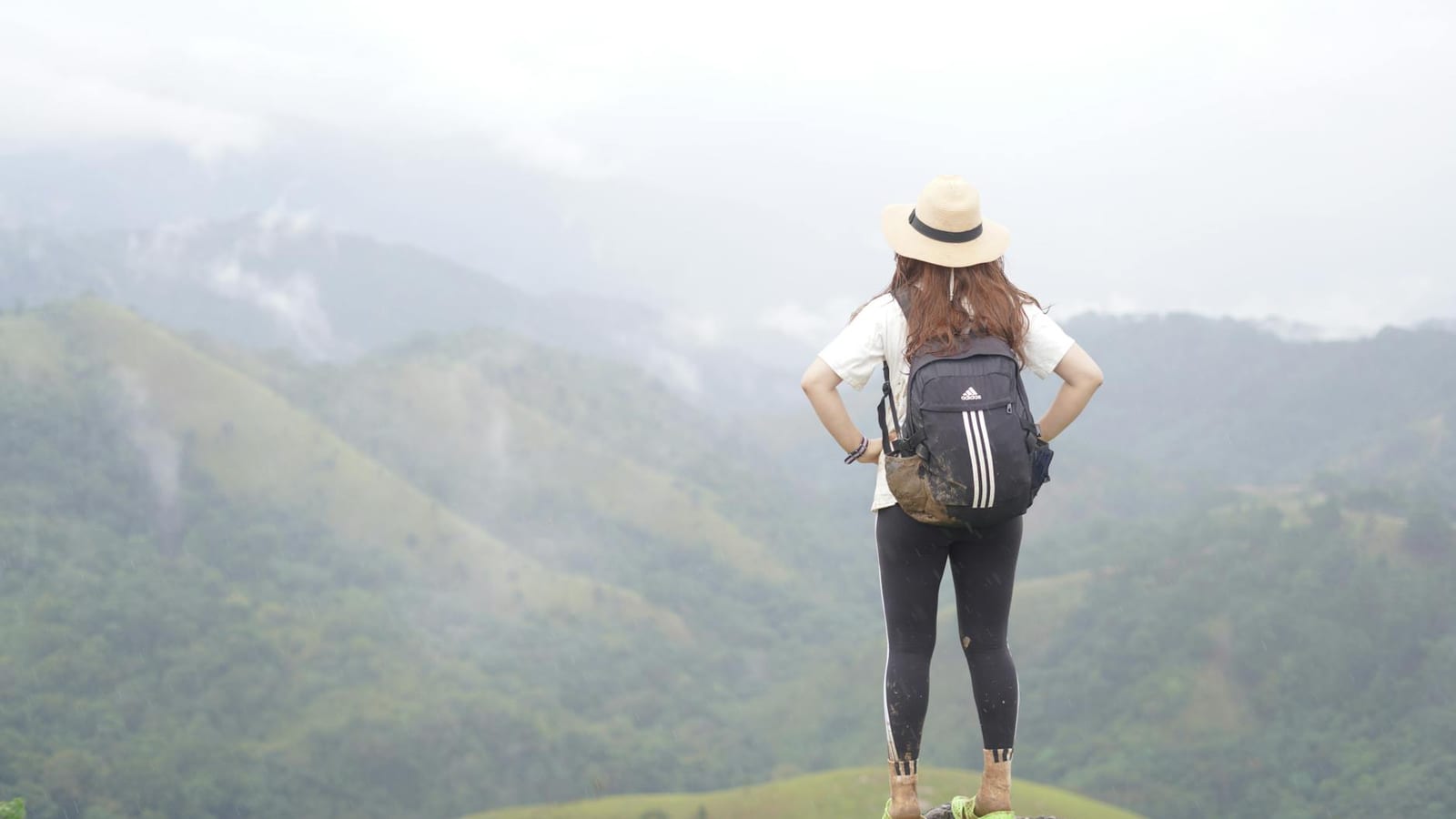
A family looking at school holidays now faces a very Indian problem. The country has too many tempting escapes, and too little leave.
The 2026 travel calendar shows a clear shift. Indians are not waiting for one grand annual vacation. They are slicing the year into smaller breaks, long weekends, hill runs, food trips, pilgrimages, and cultural detours.
That change says something about how we now travel. The holiday has become less about ticking off a famous place. It is more about finding breathing space before Monday returns.
Short breaks are becoming the plan
Micro escapes are now shaping Indian travel in a quiet but firm way. These are short trips of two or three days, often planned around work, school, or a long weekend.
For young professionals, this makes sense. A full week off can be hard to manage. Flights get costly. Hotel rates jump. Family calendars clash. A short break nearby feels easier, cheaper, and less dramatic.
This is why city travellers are looking beyond the usual “big vacation” idea. Delhi, Mumbai, Kolkata, and Bengaluru now have enough weekend events, food festivals, concerts, shows, and workshops to make staying close feel like a plan too.
The real change is emotional. People do not always want adventure. Many just want a pause. A quiet stay, a cultural walk, a hill road, or a good meal can do the job.
Hills without the old crowd
Summer still sends Indians to the mountains. But the familiar hill stations now come with traffic, peak-season pricing, and the sound of every other traveller having the same idea.
That is why interest has moved towards quieter Himalayan pockets. Himachal Pradesh remains a strong draw, but travellers are looking past the obvious names.
Places like Sissu have entered the conversation because they offer what many people actually want. Cool air, mountain views, slower days, and less noise. For families and working couples, that matters more than a long sightseeing checklist.
The same applies to areas around Kedarnath. The shrine remains the main reason many visit. But nearby forests, lakes, meadows, and smaller trails now attract travellers who want the Himalaya without being trapped in a queue.
This is where travel planning needs honesty. “Offbeat” does not mean effortless. Roads can be long. Weather can change fast. Basic stays may not suit everyone. A quiet mountain trip rewards patience, not impatience.
Pilgrimage routes find new travellers
India’s spiritual routes are also drawing a wider kind of traveller. Some come for faith. Some come for history. Many come for both, even if they do not say it that way.
Bodh Gaya, Sarnath, Dharamshala, Kushinagar, and Odisha’s Buddhist sites show how deeply travel and memory overlap here. These are not just stops on a map. They are places where ideas moved, communities gathered, and traditions survived.
Buddha Purnima in 2026 will likely bring renewed attention to these routes. Pilgrims will visit temples and monasteries. Cultural travellers will follow stories of teaching, meditation, and monastic life.
For Indian travellers, this matters because many of these routes still feel underexplored compared with beach holidays or hill breaks. Bihar, Uttar Pradesh, Odisha, and West Bengal hold Buddhist histories that connect India to Asia in a very direct way.
The practical lesson is simple. A pilgrimage route is not only for the deeply religious. It can also be a slower, richer way to understand the country.
Culture towns deserve slower days
Not every summer escape needs a mountain. Some of India’s most rewarding trips sit in towns where food, craft, architecture, and memory do the work.
Karaikudi is one such place. Its Chettinad mansions, antique markets, handloom traditions, and bold food culture make it a trip best taken slowly.
That word, slowly, matters. Many Indian itineraries still suffer from the old habit of packing too much. Three temples before lunch, two markets after tea, and a sunset point if traffic allows. By the end, nobody remembers the place properly.
Culture towns ask for another rhythm. Walk one street properly. Speak to a shopkeeper if the moment allows. Eat what the town is known for. Notice how houses, markets, and kitchens tell the same story differently.
Kolkata’s Buddhist lanes, Tagore’s Bengal, Chettinad’s mansions, and Odisha’s old monastic sites all point in that direction. The best cultural travel in India often hides in layers, not in spectacle.
Deserts, blooms and better timing
The Indian travel map also changes sharply with season. This is easy to forget when every destination looks perfect on a phone screen.
Jaisalmer proves that landscape is not only about greenery. For travellers raised on forests and hills, the desert can feel bare at first. Then the light shifts, the horizon opens, and the silence begins to work.
Ladakh offers another seasonal lesson. Its apricot blossom period turns parts of Leh and Kargil into a spring travel experience tied to village life, food, music, and local culture.
In the eastern and central Himalaya, rhododendron blooms bring colour to trekking routes in April. In Uttarakhand, summer travellers still look for cool towns and high valleys before the plains become punishing.
Timing changes everything. The same destination can feel magical, crowded, expensive, or tiring depending on the week. Smart travel is often less about where you go, and more about when you go.
For ordinary Indian travellers, this new map is both exciting and tricky. More choices mean better holidays, but also more planning. The sensible way forward is not to chase every trending place. Pick the trip that matches your time, budget, energy, and season. That is how a short break becomes a real holiday, not just another item on the calendar.