Micro Escapes Redraw India's Summer Holiday Plans
Indian travellers are choosing shorter weekend breaks near metros, reshaping demand for hills, beaches, homestays and food-led city escapes.
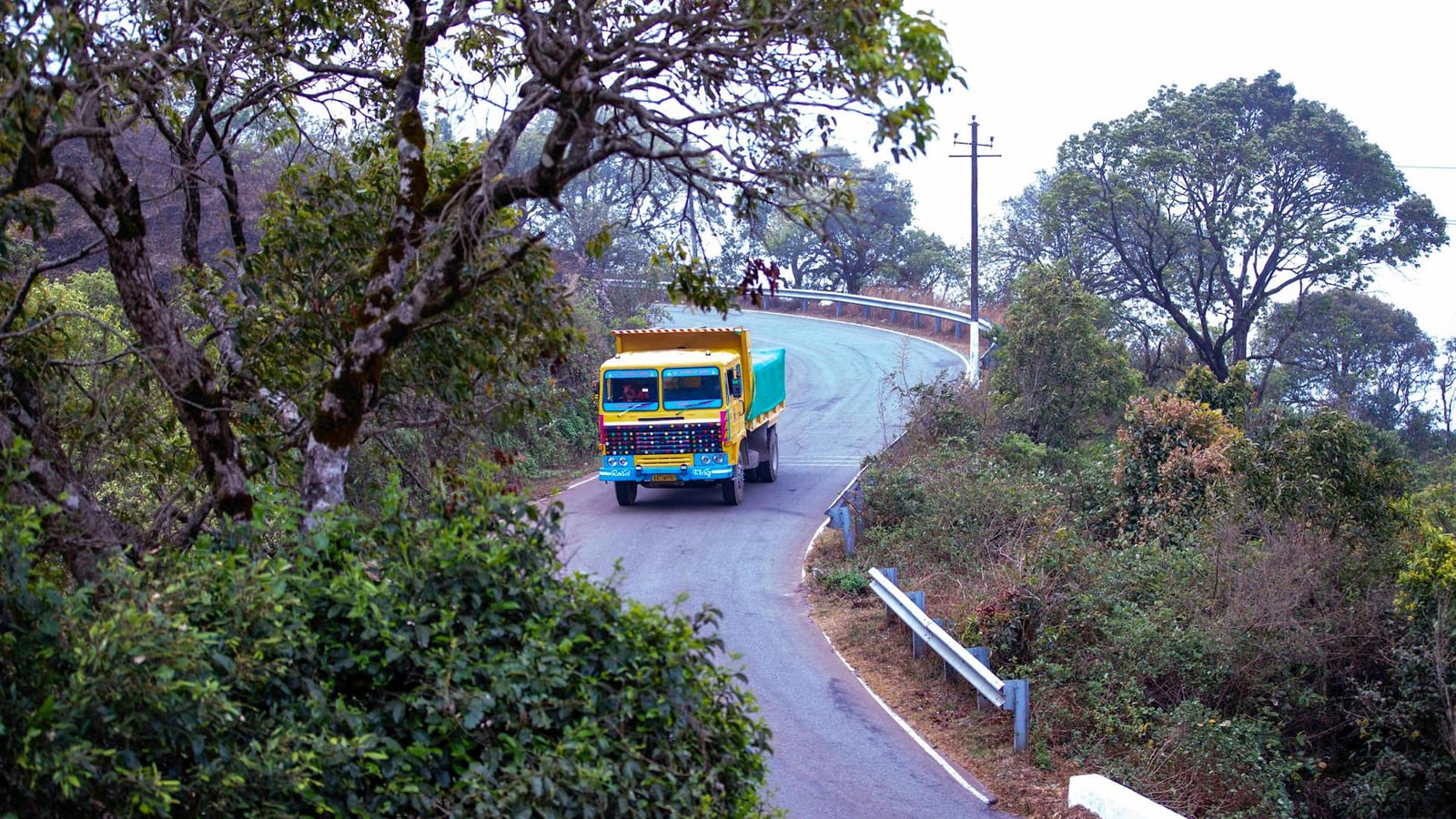
A summer holiday in India no longer means one big family trip planned months in advance. For many travellers, it now means three rushed tabs, one long weekend, and a quick escape before work catches up again.
That shift says something about how Indians are travelling in 2026. People still want the hills, beaches, temples, food streets, old towns, and festivals. But they want them in smaller, smarter pieces.
The new Indian traveller is not always chasing distance. Often, they are chasing breathing room.
Short breaks are getting serious
The rise of micro escapes is the clearest travel trend this year. These are short trips of two or three days, usually planned around weekends, holidays, or sudden fatigue.
For working couples in metros, this is now the practical holiday. A week-long break needs approvals, school calendars, pet care, and bigger budgets. A two-night stay near the city needs far less negotiation.
That is why places close to Delhi, Mumbai, Bengaluru, and Kolkata are seeing more interest. Travellers want a change of scene without losing a full week. A quiet homestay, a hill road, or a food-led city break can do the job.
This also changes what luxury means. Earlier, luxury often meant five-star lobbies and long-haul flights. Now, for many urban Indians, it means silence, clean rooms, good food, and no planning headache.
Hotels and homestays have noticed this. They are selling slower mornings, local meals, forest walks, heritage stays, and curated weekends. The point is not to see everything. The point is to feel less worn out by Monday.
Hills remain India’s summer reflex
Every April and May, India looks uphill. The plains begin to bake, schools approach vacation mode, and families start asking the same old question. Where will it be cooler?
The answer is no longer only Shimla, Manali, Nainital, or Ooty. Travellers now look for smaller hill towns and less crowded valleys. In Himachal Pradesh, names like Sissu and Shoja appeal because they still feel calmer than the usual tourist hubs.
This does not mean these places are untouched. That word is often lazy. Roads, hotels, reels, and weekend crowds reach faster than most destinations can prepare. But some towns still offer space, better views, and slower days.
For families, hill stations remain easy choices. The weather helps, children get open space, and older travellers avoid punishing heat. For young professionals, the hills also offer short treks, cafes, and the promise of weak mobile signals.
Yet the pressure is visible. Himalayan destinations now face traffic jams, plastic waste, water stress, and construction that often runs ahead of planning. A pretty valley can turn fragile very quickly once it becomes a weekend habit.
That is the hard part of India’s summer travel boom. The same travellers who seek clean air often leave behind the mess that damages it. Responsible travel can no longer sit in brochures. It has to show up in parking rules, waste systems, local permits, and everyday visitor behaviour.
Pilgrimage is becoming a wider journey
Religious travel has always moved India. What looks new is the way pilgrimage now blends with history, culture, and slower exploration.
Bodh Gaya, Sarnath, Kushinagar, Vaishali, and parts of Odisha are drawing travellers who want more than a checklist visit. Buddhist circuits, especially around Buddha Purnima, bring together faith, architecture, food, language, and monastic traditions.
For older travellers, these routes carry spiritual weight. For younger visitors, they often open a different India. It is an India shaped by ancient universities, trade routes, monks, kings, and ideas that travelled across Asia.
This matters because Indian tourism often sells the same few images. Palaces, beaches, mountains, and big temples get the spotlight. Buddhist India, Jain India, Sufi India, and old trading towns still receive less attention than they deserve.
Places like Karaikudi also show another side of travel. Its Chettinad mansions, antique markets, handloom traditions, and local food make it ideal for slow travel. You do not rush through such a town. You walk, eat, look up, and listen.
That kind of travel suits India well. Our best stories rarely sit in one monument. They sit in neighbourhoods, kitchens, courtyards, markets, old routes, and family-run businesses trying to stay relevant.
Festivals now shape travel calendars
Indian travellers are also planning trips around seasons, blooms, and festivals. This is a quiet but important change.
Ladakh’s apricot blossom season, Himalayan rhododendron trails, Eid food walks, Good Friday hill breaks, and Buddha Purnima journeys all show the same pattern. People want trips tied to time and mood, not just location.
This gives smaller destinations a chance to spread tourist traffic across the year. A village known only for summer views can attract spring visitors through flowers. A town known for heritage can bring people during a food or craft event.
But season-led travel needs honesty. If a bloom depends on weather, say so. If a road can shut after rain, say so. If a festival draws crowds, tell travellers to book early and move respectfully.
This is where Indian tourism often struggles. We market beauty well, but we under-explain logistics. A traveller needs to know transport options, walking difficulty, food availability, hotel type, and crowd levels.
That practical detail can make or break a trip. A retired couple, a backpacker, and a family with two children may all visit the same place. But they do not need the same advice.
Heritage needs better night vision
India’s heritage sites are also being reimagined after sunset. Lighting can make monuments feel alive again. It can reveal carvings, arches, walls, and scale that harsh daylight sometimes flattens.
But lighting can also go wrong. Too much brightness can make an old site look like a stage set. Poor design can hide the very details people came to see.
Night tourism has real promise for Indian cities. It can reduce daytime crowding, support guides, help local restaurants, and make summers easier for visitors. But it needs care, safety, transport, toilets, and trained staff.
The same logic applies to adaptive reuse, where old buildings find new public life. A restored dharamshala in Uttarakhand becoming a community museum is one such idea. Done well, this protects memory without freezing a place in the past.
For local communities, this can matter deeply. Tourism should not only bring outsiders with cameras. It should help residents keep craft, food, language, and architecture alive in ways that pay.
That is the next big test for Indian travel. We do not lack destinations. We lack patient systems around them.
The Indian traveller in 2026 wants cooler air, shorter breaks, deeper stories, and easier planning. That demand will only grow. The real question is whether our towns, trails, hotels, and governments can keep pace without ruining what people came to find. For ordinary travellers, the smartest trip may now be the one that leaves a place quieter, cleaner, and still itself.