Long Weekends Drive India's Shift Toward Shorter Getaways
Indian travellers are choosing two- and three-day escapes near major cities, boosting demand for homestays, hill cottages and easy routes this summer.
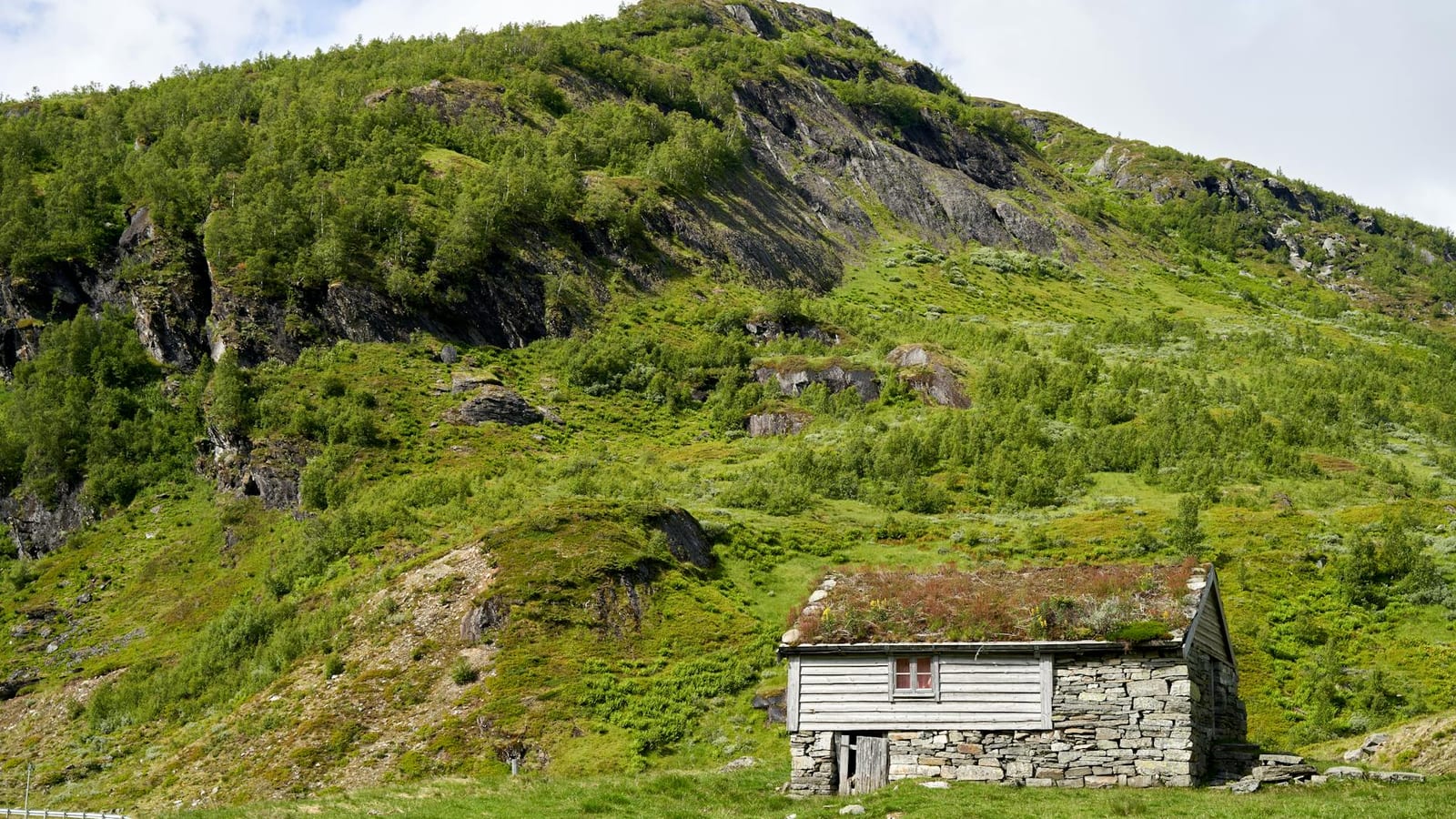
A three-day holiday no longer feels like a consolation prize for tired Indian travellers. It has become the trip itself.
Across India, the new travel mood is clear. People want cooler air, shorter routes, cleaner breaks, and places that do not demand ten days of planning.
The old summer holiday still exists, of course. Families still head for hills. Pilgrims still follow sacred routes. But a busy working couple in a metro, or a family watching school calendars, now thinks differently.
Short breaks are doing the heavy lifting
The phrase “micro escape” sounds fancy, but the idea is simple. Take two or three days. Leave the city. Come back before work collapses on your head.
That is why long weekends have become prime travel currency. Cities like Delhi, Mumbai, Kolkata and Bengaluru now feed a whole travel economy around quick departures.
This is not only about luxury resorts. It includes homestays, small hotels, forest lodges, hill cottages, and heritage stays. The common thread is ease.
People want a break that does not need five spreadsheets. They want a place reachable by road, train, or one short flight. They want food, sleep, and a change of view.
For urban Indians, this is now mental maintenance. A short trip may not solve burnout. But it does give breathing room between office calls, school runs, EMIs, and family duties.
The travel industry has understood this well. Hotels package weekend stays. Event organisers build city calendars. Airlines and cab operators watch holiday weekends closely.
Hills beyond the usual queue
Summer still sends Indians uphill. That part has not changed. What has changed is the search term.
Travellers are now looking past the classic hill station circuit. Shimla, Manali, Mussoorie and Ooty remain crowded favourites. But many want quieter places with fewer traffic jams.
That is where Himachal Pradesh keeps pulling attention. Smaller mountain settlements, valley villages and less noisy hill routes now attract careful travellers.
Sissu, for instance, has entered conversations because it offers a slower mountain rhythm. It is not just a viewpoint stop. It gives travellers wide skies, river sound, and less marketplace chaos.
But this shift comes with a warning. A quiet place does not stay quiet if everyone arrives at once.
Hill roads have limits. Local water systems have limits. Waste collection has limits. Anyone who has seen a summer traffic snarl outside a popular hill town knows this truth.
For local residents, tourism brings cash. Guesthouses fill, taxis run, cafes earn, and guides get work. But the same rush can strain daily life.
A family running a small homestay may welcome bookings. The same family may also face water shortages, rising food costs, and litter near their fields.
So the better question is not just where Indians should travel. It is how they should travel once they get there.
Pilgrimage routes draw new travellers
Religious travel has always shaped India’s travel map. But Buddhist circuits are gaining fresh interest among domestic travellers too.
Bodh Gaya, Sarnath, Dharamshala, Kushinagar and Odisha’s old Buddhist sites offer a different kind of journey. These are not only places of worship. They are also living history lessons.
Buddha Purnima makes these routes especially meaningful. Pilgrims travel for prayer and memory. Others go to understand how ideas crossed regions and centuries.
This kind of travel needs patience. You cannot treat every monastery, stupa or old university site like a selfie stop.
The same holds for heritage after sunset. Across India, monuments now draw visitors with night views and lighting. Done well, this can make old stone feel alive.
Done badly, it can turn history into stage decoration. Light should reveal texture, not drown it.
For Indian families, heritage travel works best when it avoids lecture mode. A child may not remember every dynasty. But she may remember a moonlit courtyard, a monk’s chant, or a guide’s simple story.
That memory matters. It turns a trip into something larger than hotel breakfast and return tickets.
Culture is becoming the itinerary
Another clear trend is the rise of culturally rooted travel. Karaikudi, for example, offers Chettinad mansions, antique markets, handloom traditions and distinctive food.
This is not rushed travel. It asks people to walk, look, taste, and listen.
The same pattern appears in Bengal’s Tagore trails, Ladakh’s apricot season, and Odisha’s Buddhist remains. Travellers want a place to tell them something.
Ladakh is a good example. Its apricot blossom season is not just a pretty backdrop. It connects visitors to village life, local food, music and seasonal change.
But cultural travel has a thin line. If done with care, it supports artisans, cooks, drivers, guides and local families.
If done carelessly, it turns living traditions into a weekend performance. Visitors get photos. Locals get disruption.
This is where Indian travellers are slowly becoming more aware. Many now ask where money goes. They look for local stays, local food, and guides from the region.
That may sound small. But in travel, small choices add up quickly.
Desert, coast and forests return
The Indian summer map is no longer only about mountains. Travellers are also rediscovering deserts, coasts, forests and waterfalls.
Jaisalmer shows how powerful that shift can be. For someone used to green hills, the desert offers a different idea of beauty.
There is silence, open space, changing light, and a sense of scale. It teaches the eye to slow down.
Coastal breaks offer another route. Goa before peak heat, quieter beach towns, and slower seaside stays still appeal to families and young workers.
Forest trails and waterfall treks bring adventure into the picture. But they also need basic discipline. Good shoes, realistic timing, and respect for weather matter more than Instagram courage.
This is especially true in the Himalayas and the Western Ghats. A pretty trail can become risky fast in rain, fog, or poor light.
The best travel advice remains boring and useful. Check access, carry water, avoid litter, follow local instructions, and do not treat remote places like city parks.
India’s travel story in 2026 is not about one big destination. It is about many small escapes, chosen with sharper intent.
For ordinary travellers, that is good news. You do not always need a grand holiday to feel restored. Sometimes, three honest days in a quieter place can do the job.
But the next phase will test everyone. Travellers, hotels, tour operators and local governments must protect the places now becoming popular.
Otherwise, today’s peaceful escape will become tomorrow’s crowded complaint. The smartest travellers will not just ask where to go next. They will ask what kind of guest they want to be.