Lakshadweep Boat Scare Puts Tourist Safety in Focus
Shifana Salim's near-miss on a night boat trip in Lakshadweep has renewed concern over tourist briefings and sea safety after a recent drowning.
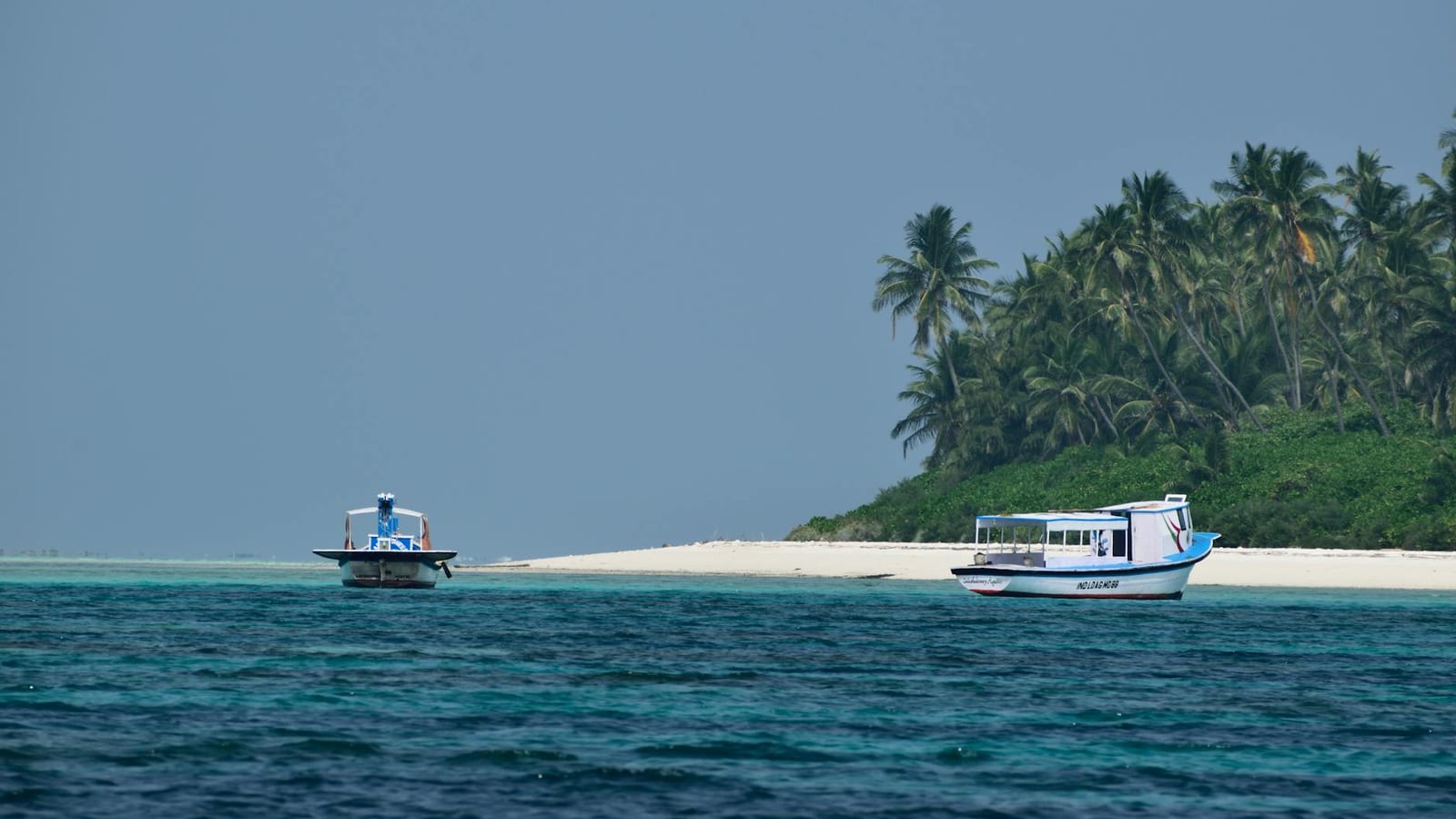
A phone flashlight can look like a small thing on land. In the dark sea off Lakshadweep, it became the difference between panic and rescue.
That is how Shifana Salim, an MSc psychology student from Malappuram, remembers one frightening night in April. She had gone to the islands with classmates and teachers. She returned with a travel warning many Indians need to hear before booking that glossy island package.
Her account has surfaced after Air Force Wing Commander R Sreeraj, a Malayali officer, drowned near Bangaram island. That death has forced a harder question. Are tourists being told enough about sea safety before they step into small boats?
A night trip turns dangerous
Shifana’s group reached Lakshadweep on April 8. Sixteen students and teachers had travelled from their institution at Vellimadukunnu in Kozhikode. They stayed at Agatti, one of the main tourist gateways to the islands.
On April 11, around 7 pm, Shifana and a few others went out for a fishing trip. It was part of their tour package. A small boat arrived to take them into the sea.
Shifana said she immediately felt uneasy. The boat, she said, looked fit for about seven people. Yet it carried Shifana, nine tourists, and two young boat operators.
She said she asked how so many people could travel in such a small boat. The operators told her there was no problem.
That is a sentence many Indian travellers know too well. We hear it on hill roads, in overloaded jeeps, on river boats, and at adventure sites. The trouble begins when “no problem” becomes the safety plan.
Overcrowding made panic worse
The boat moved two or three kilometres from shore, Shifana said. By then, the water had become deep. Another boat travelling with them began taking in water.
People from that boat climbed into Shifana’s boat. The extra weight made the second boat sink lower too. Water appeared ready to enter it.
At this point, the two operators jumped into the sea, according to Shifana. The tourists stayed inside the boat, terrified and unsure what to do.
This is the part that should worry every traveller. In a proper tourist system, passengers should not depend on luck, mobile signal, or one person’s calm mind. Boats should have capacity limits, working safety gear, trained operators, and clear emergency links.
Small island tourism looks effortless in photos. Blue water, white sand, and a clean horizon make danger feel far away. But the sea is not a resort pool. Night changes everything. Distance feels larger. Sound travels differently. A small mistake becomes serious very quickly.
Shifana said even a slight movement could have pushed water into the boat. So the group stayed still in darkness, waiting and hoping.
One call reached Beypore
The group still had mobile connectivity. Shifana searched for a number and found Beypore Police. She called and explained the situation.
Beypore Police passed the information to Agatti Police. A police team led by the Agatti station house officer then went out with other rescuers to find the stranded group.
Finding people at sea after dark is not simple. There are no street corners, shop signs, or clear landmarks. A boat can drift. Waves can hide it. Darkness can swallow even a short distance.
Shifana and others then used their phones in the most basic way possible. They turned on the flashlights and held them up.
That light helped the rescue team locate the boat. The police team brought Shifana and the others back to shore.
In a city, a phone flash is a camera tool. That night, it became a distress signal. It worked because the rescuers were already searching in the right area. It also worked because someone had managed to make a call.
Police action follows the rescue
After the incident, Agatti Police registered cases against around 35 people. The list included boat owners, travel agency figures, and guides, according to details shared after the rescue.
The case points to a wider issue in adventure and island tourism. India has many beautiful places where tourism has grown faster than safety discipline. The booking experience feels modern. The safety culture often feels casual.
Lakshadweep is now on many Indian travel lists. After the recent surge in interest, more families, students, working couples, and budget travellers have started looking at island trips. That interest can help local businesses. It can also stress a fragile system.
Tourism in such places needs more than pretty reels. It needs trained crews, visible rules, proper permits, and penalties that operators actually fear. A boat should not leave because the package says so. It should leave only when conditions and capacity allow it.
Travellers also need to change how they judge risk. Many of us ask about room views, meal plans, ferry timings, and snorkelling photos. We do not ask enough about life jackets, police permission, radio contact, or weather calls.
Shifana’s advice is simple and practical. Save emergency numbers before heading out. Check if life jackets are available and wear them. Ask how many people the boat can safely carry. Check the travel agency’s record. Understand the risks of the trip before agreeing to it.
She also flagged one crucial point. Several sea trips after 6 pm may not have police permission. That matters because night travel on water carries a different level of risk.
What travellers should ask first
For Indian tourists, especially first-time island visitors, the lesson is clear. Do not treat a sea activity like a casual auto ride. Ask direct questions before boarding.
Is the boat licensed for tourists? How many passengers can it carry? Are there enough life jackets for everyone? Who is the trained operator? Is the trip permitted at that hour? Whom do passengers call in an emergency?
These questions may feel awkward in the moment. Ask them anyway. A responsible operator will answer clearly. A careless one may laugh it off. That laugh itself is useful information.
Families travelling with children should be stricter. Students travelling in groups should avoid peer pressure. Solo travellers should share trip details with someone on land. Budget travellers should not accept unsafe arrangements because the deal looks cheap.
Lakshadweep remains one of India’s most striking travel destinations. Its appeal is real. But beauty does not reduce risk. If anything, beauty often makes people drop their guard.
Shifana’s story should not scare people away from the islands. It should make them travel with sharper eyes. The next phase of Indian tourism cannot run only on pretty beaches and package deals. It must run on trust, rules, and the simple idea that every traveller should return with memories, not a survival story.