Iran Warning Puts Hormuz, Oil Costs And Summer Travel On Edge
Iran's threat to retaliate if foreign forces enter its territory raises fresh risks for Hormuz shipping, fuel prices, airfares and Gulf travel.
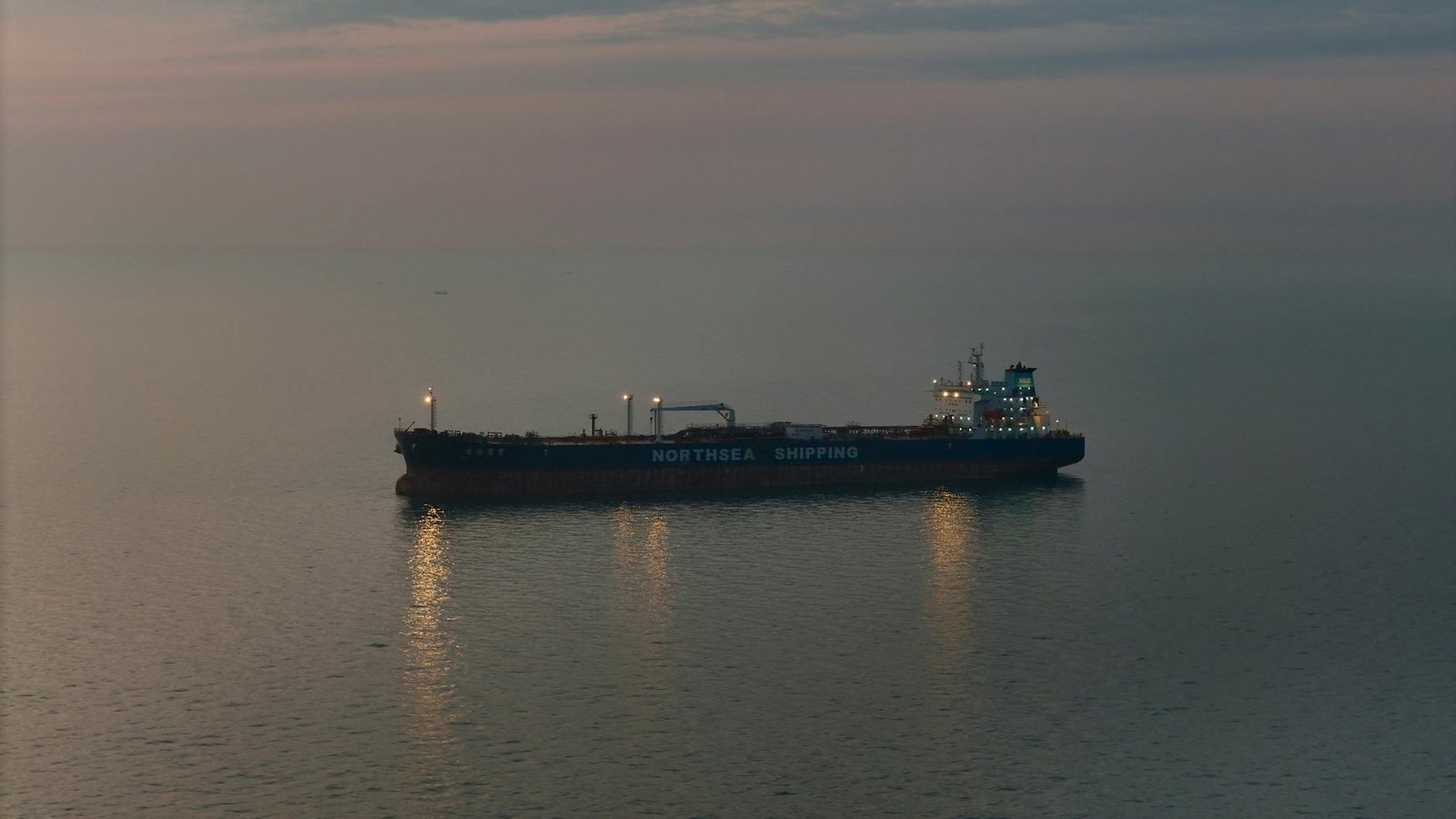
For an Indian family planning a summer trip, Gulf tension sounds distant until airfares jump overnight.
For a refinery buyer in Jamnagar, it is not distant at all. The Strait of Hormuz sits on the route that carries much of Asia’s oil. When that narrow waterway turns risky, fuel, freight, flights, and holiday budgets all start feeling the heat.
That is why the latest warning from Iran matters far beyond Tehran. Foreign ministry spokesperson Esmail Baghaei has said Iran will hit back hard if any foreign force enters its territory. He also accused the United States of wrecking nuclear talks and pushing the region towards a wider conflict.
Hormuz is now the pressure point
Baghaei said Iran had rejected President Donald Trump’s latest nuclear proposal because it sounded like surrender, not negotiation. In his telling, Washington wanted one-sided terms, while Tehran wanted the fighting to stop first.
Iran’s counteroffer, he said, focused on three urgent steps. End hostilities, reopen the Strait of Hormuz, and remove what Tehran calls a US maritime blockade.
That order matters. Iran is trying to shift the debate away from uranium and inspection reports. It wants the world to first look at ships, oil, and military movement in the Gulf.
For India, that is the practical worry. The Gulf is not just a map on TV. It is where crude, gas, seafarers, business travel, and family travel all meet.
When shipping firms see danger, insurance costs rise. When oil traders panic, prices move. When airlines reroute, passengers pay through longer journeys and dearer tickets.
Iran blames Washington and Israel
Baghaei argued that the Strait was open before February 28. He said Iran acted only after the US and Israel used territory in Persian Gulf states to attack Iran.
Tehran says it had to stop the waterway from becoming a military route against it. Washington sees the issue very differently, but Baghaei framed Iran’s actions as self-defence.
He also said a blockade counts as an act of war under international law. That is Iran’s legal case, stripped of courtroom language. If another country blocks your access, Tehran says, you can respond.
The spokesperson also took aim at Israel’s nuclear record. He called it absurd that Israel could question Iran while remaining outside the Nuclear Non-Proliferation Treaty.
Iran has long said its nuclear programme is peaceful. Baghaei pointed to earlier inspection reports by the International Atomic Energy Agency during the 2015 nuclear deal.
The problem, as always, is trust. The US walked out of that deal in 2018 under Trump. Iran later reduced its own commitments after waiting for European partners to soften the damage.
India watches the Gulf carefully
This is where the story comes home. India has deep stakes in Gulf stability, even when it avoids loud public language.
Millions of Indians work across the region. Indian refiners buy energy from Gulf-linked routes. Traders depend on predictable shipping. Travellers depend on safe skies and stable fares.
A working couple planning Dubai or Doha via a budget fare may not track Hormuz daily. But airlines and insurers do. Their caution often lands quietly in the passenger’s bill.
A small manufacturer importing parts can face the same chain reaction. Freight gets delayed. Working capital gets stuck. Costs rise before anyone has fired a shot near India.
Baghaei acknowledged that India and other countries were suffering from the crisis. But he placed the blame on Washington and Israel, not Tehran.
He also said Iran depends on the Strait because it is a coastal state. That was a pointed message. Tehran wants to show it has no interest in long-term chaos in its own backyard.
Still, intent and impact are not the same. Even limited disruption in Hormuz can unsettle markets because everyone knows what passes through it.
Nuclear talks return to old ground
The nuclear dispute has now circled back to familiar territory. Iran says it wants peaceful nuclear energy. The US says it does not trust Tehran’s programme.
Baghaei said Iran has negotiated on the issue for more than a decade. He traced the path from talks in 2012, to the 2015 nuclear deal, to the American withdrawal in 2018.
He said Iran tried again during the Biden years. Then, under Trump’s current proposal, Tehran felt Washington had returned to maximal demands.
That word, maximal, sounds diplomatic. In plain English, it means asking for nearly everything while offering too little in return.
Baghaei said no serious negotiation works that way. Talks require both sides to leave something on the table. Otherwise, they become orders with polite wrapping.
He also said Pakistan may carry further assessments or messages. That suggests diplomacy has not fully died, even if the public language sounds fierce.
But the danger lies in the gap between public threats and private channels. If one missile, ship seizure, or misread radar signal changes the mood, talks can fall apart quickly.
The military warning grows louder
Baghaei dismissed claims that Iran’s military strength had been broken. He said Tehran still has capabilities it has not used.
He also warned against any ground operation. His message was simple: anyone entering Iranian soil would regret it badly.
That line will grab attention, but the bigger signal is strategic. Iran wants the US to believe escalation will be costly. The US wants Iran to believe pressure will not ease.
Israel adds another layer. Baghaei accused it of drawing Washington deeper into the conflict. He argued that the US entered the war to support its ally, not because Iran attacked America first.
The legal arguments will continue. The battlefield, if it widens, will not wait for scholars to settle them.
For ordinary Indians, the lesson is less dramatic but more immediate. A crisis in the Gulf no longer stays in the Gulf. It travels through petrol pumps, airline counters, shipping invoices, and household budgets.
The next few days will show whether diplomacy can reopen space before markets price in a longer shock. India cannot control the Strait of Hormuz. But every Indian family that buys fuel, flies west, or depends on imported goods has reason to watch it closely.