Indians Are Skipping Crowded Hills for Quieter Summer Spots
With Shimla and Manali booked weeks in advance, Indian travellers are turning to quieter alternatives like Himachal's Shoja valley this summer season.
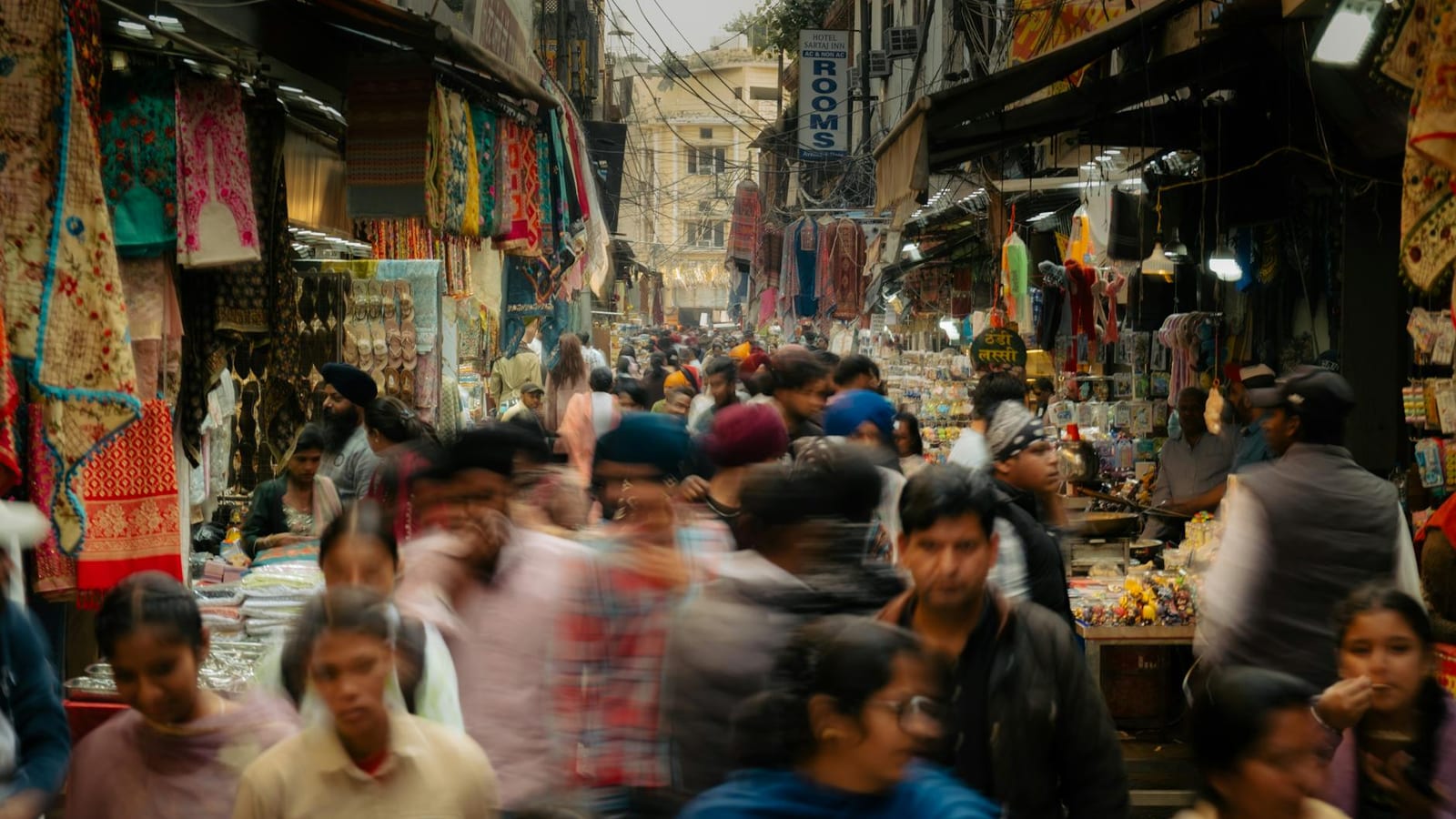
By May, most Indians who can leave the plains have already started studying their calendars. Delhi hits 44 degrees. Mumbai thickens with humidity. Chennai is simply unforgiving.
The question is not whether to escape, but where.
Something is shifting quietly in how Indians travel this summer. The usual suspects, Shimla, Manali, Nainital, Ooty, fill up weeks in advance. Families who have done those circuits three or four times are now looking further, slower, quieter. And India, it turns out, has a great deal more to offer than the first page of search results.
The Himachal Beyond the Usual
Himachal Pradesh has spent decades being synonymous with Shimla and Manali. But May opens up a different stretch of the state. At higher altitudes, roads that were snowbound through March and April are now accessible. Villages that see barely a few hundred visitors across an entire season are suddenly reachable, without crowds, without inflated hotel rates, without the noise.
The Shoja valley in the Seraj region sits above 2,600 metres and remains relatively unhurried. Young couples doing long-weekend trips from Delhi have been arriving with camping gear rather than booking hotels. The landscapes here run through dense cedar and oak forests, and the meadows above the village are the kind that feel almost implausibly green after a Delhi winter.
For families with children, the challenge is not the destination but the road. The approach to Himachal’s lesser-visited valleys involves narrow stretches that require patience and a steady driver. The journey itself becomes part of the experience, which some families love and others emphatically do not.
Uttarakhand’s Quieter Corners
The area around Kedarnath carries a reputation for crowds. The main shrine draws lakhs of pilgrims each season, and the ascent to Gaurikund can feel overwhelming in peak weeks.
The valleys and ridgelines nearby are a different story. Chopta, the high-altitude meadow that approaches Tungnath, draws a newer category of traveler, someone who wants the Himalayan experience without the full pilgrimage circuit, someone willing to walk for it. The forests between 2,000 and 3,000 metres turn red, pink, and white with rhododendron blooms through April and into early May. For solo travelers and those who carry cameras everywhere, this is one of the more striking seasonal spectacles India offers.
The region also opens up quieter lakes and forest trails that are a genuine contrast to the main pilgrimage rush. Five distinct spots around Kedarnath offer nature, trekking, and offbeat mountain access, all within reasonable distance of the main shrine.
Ladakh’s Short and Specific Season
Ladakh draws its biggest crowds in July and August when the roads are fully open and the motorcycle contingent arrives in full force. May has its own character entirely.
The apricot orchards across the Leh and Kargil valleys bloom in the first two weeks of the month, turning the high-altitude landscape into something you would not expect from a region defined by stark mountain desert. The Apricot Blossom Festival 2026 marks this seasonal shift with music, local food, and cultural performances in villages that are, for a few days, genuinely festive.
For travelers flying into Leh from Delhi or Mumbai, this represents a rare window: cooler temperatures, thinner crowds, and a Ladakh that looks nothing like the dusty plateau of peak summer. Acclimatisation is not optional at 3,500 metres. Even fit travelers need at least two days before attempting anything strenuous, and that is not the advice people skip.
Chettinad: The Case for Going Slower
Not every summer escape needs altitude. For those who travel to eat, to look at architecture, and to understand something, Tamil Nadu’s Chettinad region offers a different kind of experience.
Karaikudi is the main town. The Chettiars, the merchant community that built this region’s extraordinary mansions across the 19th and early 20th centuries, created homes that are remarkable by any measure. Pillared halls, inlaid Italian marble floors, Burmese teak doors, and courtyard layouts that kept interiors cool before air conditioning existed. Some mansions have been converted into homestays or heritage hotels. Others are slowly crumbling and can still be visited.
The cuisine here is fierce. Chettinad cooking uses a spice combination distinct from the rest of Tamil Nadu, heavier on kalpasi and marathi mokku. First-time visitors sometimes underestimate it, and then sit very still for a few minutes after the first bite.
Antique markets in the area carry furniture, brassware, and artefacts from across South and Southeast Asia. The Chettiar trading networks once spanned Burma, Ceylon, and Malaya, and what came back ended up in these homes and eventually in these markets.
The Buddhist Trail Through Bihar and Odisha
Bihar and Odisha have been drawing a more deliberate category of traveler in recent years, those following the Buddhist heritage circuit from Bodh Gaya through Rajgir, Nalanda, and the quieter sites like Vaishali.
The Odisha circuit at Ratnagiri, Udayagiri, and Lalitgiri is particularly undervisited relative to its historical weight. These were among the major monastic universities of medieval India. The ruins are substantial, the on-site museums are well-maintained, and on a weekday you can walk through them almost alone. The journey through Bihar traces the Buddha’s life across real landscapes, from the austere hills of Dungeshwari to the intensity of Bodh Gaya.
The Practical Realities
Several long weekends between April and June offer natural travel windows. Summer for most Indian families means school holidays, which makes planning easier but popular destinations more crowded.
Booking two to three weeks out for hill stations, and at least a week out for Ladakh flights, makes a visible difference in both availability and price. The offbeat valleys of Himachal and Uttarakhand are more forgiving, but transport for the last leg into smaller villages needs more lead time than most people assume.
What this travel season keeps suggesting is that the best experiences usually sit one step past the reflexive choice. Shimla and Manali will always have their appeal. But the traveler willing to go slightly further, slower, and with a little more curiosity will find that India’s summer geography is far larger and richer than the standard list suggests.
The plains are heating up. The hills, the deserts, the high valleys, and the Chettinad mansions are all waiting.