Indian travellers shift to smarter short breaks in 2026
Indian families and young professionals are choosing shorter, slower trips as tighter schedules and higher costs reshape holiday plans.
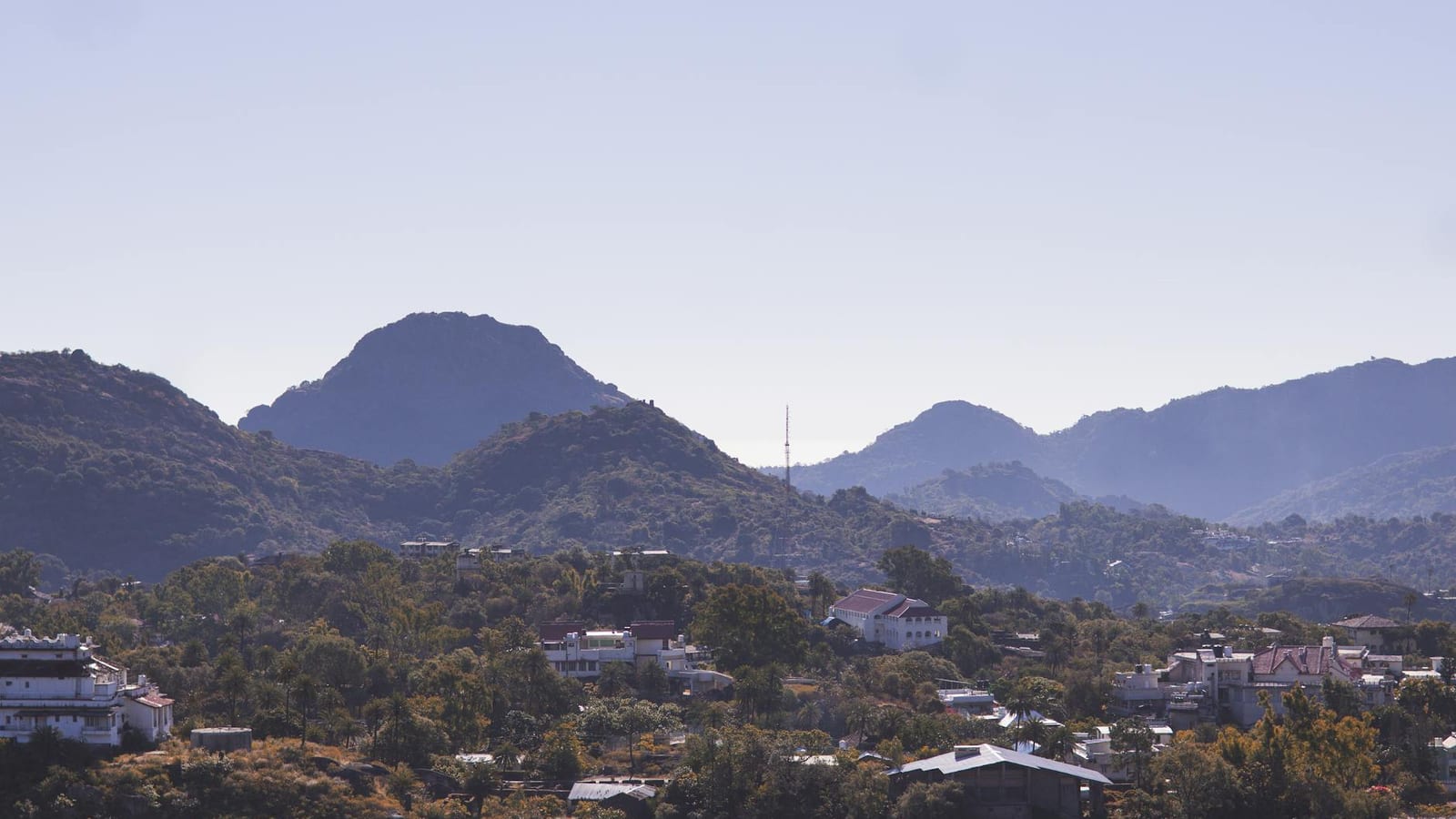
A three-day weekend now carries the weight of a proper holiday for many Indian families.
Flights cost more, school calendars feel tighter, and office leave has become precious. So travellers are doing something practical. They are choosing shorter trips, slower routes, and places with a clearer story.
Across India, the 2026 travel mood looks less like bucket-list panic. It feels more like selective curiosity.
Short breaks are getting smarter
The old summer holiday still exists, of course. Families still look at hill stations, beaches, and cooler valleys when the heat rises.
But the sharper shift sits in the middle. Working couples, parents with school-going children, and young professionals now hunt for micro escapes. That means two to four days away, usually without burning too much leave.
For a Delhi family, that may mean a hill town instead of a full Himalayan circuit. For a Bengaluru couple, it may mean coffee estates or a quiet coastal belt. For Mumbai travellers, a long weekend can now stretch into culture, food, and a slower town stay.
This is not only about saving money. It is about saving effort.
Many Indians now want trips that begin smoothly and end without exhaustion. A destination with decent roads, clean stays, local food, and one or two strong experiences often beats a packed itinerary.
That explains the renewed interest in places beyond the standard top five. Travellers still want mountains, but they also want fewer crowds. They still want heritage, but not a lecture. They want something they can feel in two days.
Pilgrimage meets cultural travel
India’s Buddhist circuit is seeing fresh attention because it offers both faith and history.
Bodh Gaya remains the emotional centre of that map. It is where pilgrims arrive with prayer, and history lovers arrive with questions. The place carries the weight of the Buddha’s enlightenment, yet it also works as a living town.
Sarnath tells another part of the story, where the Buddha gave his first teachings. Dharamshala adds a contemporary layer, with Tibetan monastic traditions and communities still shaping daily life.
For Indian travellers, this matters more than we admit. Pilgrimage in India has never been only religious. It is also family travel, senior travel, budget travel, and memory travel.
A retired couple may visit for devotion. A young backpacker may go for Buddhist history. A family may combine temples, monasteries, and local food into one short circuit.
The best journeys here do not need a rushed checklist. They need time, basic planning, and respect for spaces that still matter deeply to worshippers.
Odisha’s Ratnagiri, Udayagiri, and Lalitgiri add another layer. These sites remind us that Buddhism did not live only in the north. It travelled through trade, scholarship, and coastal routes.
That wider map can surprise first-time visitors. India’s Buddhist past sits in Bihar, Uttar Pradesh, Odisha, Kolkata, the Deccan, and the southern coast. It is not one trail. It is a network.
Small towns are drawing slower travellers
The rise of small-town travel is not just an Instagram habit. It reflects fatigue with overcrowded hill stations and copy-paste resorts.
Karaikudi in Tamil Nadu makes that point well. Its Chettinad mansions, antique markets, handloom sarees, and spicy food pull travellers into a slower rhythm.
This is not a place to “cover” in a hurry. The pleasure lies in walking through old streets, noticing courtyards, asking about crafts, and eating what the region does best.
That kind of travel helps local economies in a different way. A visitor may spend on a family-run stay, a handloom purchase, a meal, or a local guide.
The same logic applies to heritage towns across India. When travellers stay longer than one afternoon, money spreads beyond ticket counters.
Jaisalmer offers another lesson. Many Indians grow up equating nature with green hills, rain, and forests. The Thar desert challenges that idea.
Its beauty sits in silence, light, wind, and distance. For travellers from mountain or coastal regions, that can feel almost startling.
But desert travel also demands honesty. Heat, water use, waste, and transport all matter. A good desert holiday needs better planning than a quick photo stop.
This is where Indian travel writing is finally becoming more useful. It now talks more about how to experience a place, not only what to see.
The Himalayas need restraint
The Himalayas remain India’s great summer escape. That will not change soon.
But the conversation around mountain travel has changed. The question is no longer just where to go. It is whether the place can handle everyone arriving at once.
Kedarnath sits at the centre of that tension. The pilgrimage has deep spiritual meaning. The surrounding region also has forests, lakes, meadows, and remote trails that draw nature lovers.
Yet every traveller can see the pressure. Roads choke, waste piles up, and fragile slopes take the burden.
This does not mean people should stop travelling. It means they must travel with more sense.
Offbeat Himalayan lists often sound tempting. Himachal villages, Uttarakhand valleys, rhododendron trails, and high-altitude meadows all promise cleaner air and fewer people.
But once a place becomes popular, it can face the same stress as the famous towns. A quiet village cannot absorb careless tourism forever.
Families and trekkers need simple discipline. Carry back waste. Choose local stays. Avoid loud music in forests. Do not treat mountain roads like city highways.
Ladakh shows both the promise and the risk. Its apricot blossom season brings villages alive with food, music, and local tradition. That kind of festival travel can support communities directly.
But Ladakh’s water, roads, and altitude make careless tourism costly. Travellers must plan for acclimatisation, local transport, and weather changes.
The smarter Indian traveller of 2026 will not ask only, “Is this place beautiful?” The better question is, “Can I visit without making life harder there?”
That is where the next phase of Indian travel is heading. Not less travel, but better travel. Shorter trips can still be rich. Pilgrimage can still teach history. Small towns can offer depth. Mountains can remain open, if visitors treat them with care.
For ordinary readers, the message is simple. The best holiday this year may not be the farthest one. It may be the trip where you return rested, spend locally, understand something new, and leave the place able to welcome the next traveller.