Indian travellers swap Gulf for Japan and Korea this summer
Airbnb data shows Indian travellers picking Osaka, Tokyo and Seoul over Dubai and Doha this summer, driven by Gen Z, a weak yen and easier visa rules.
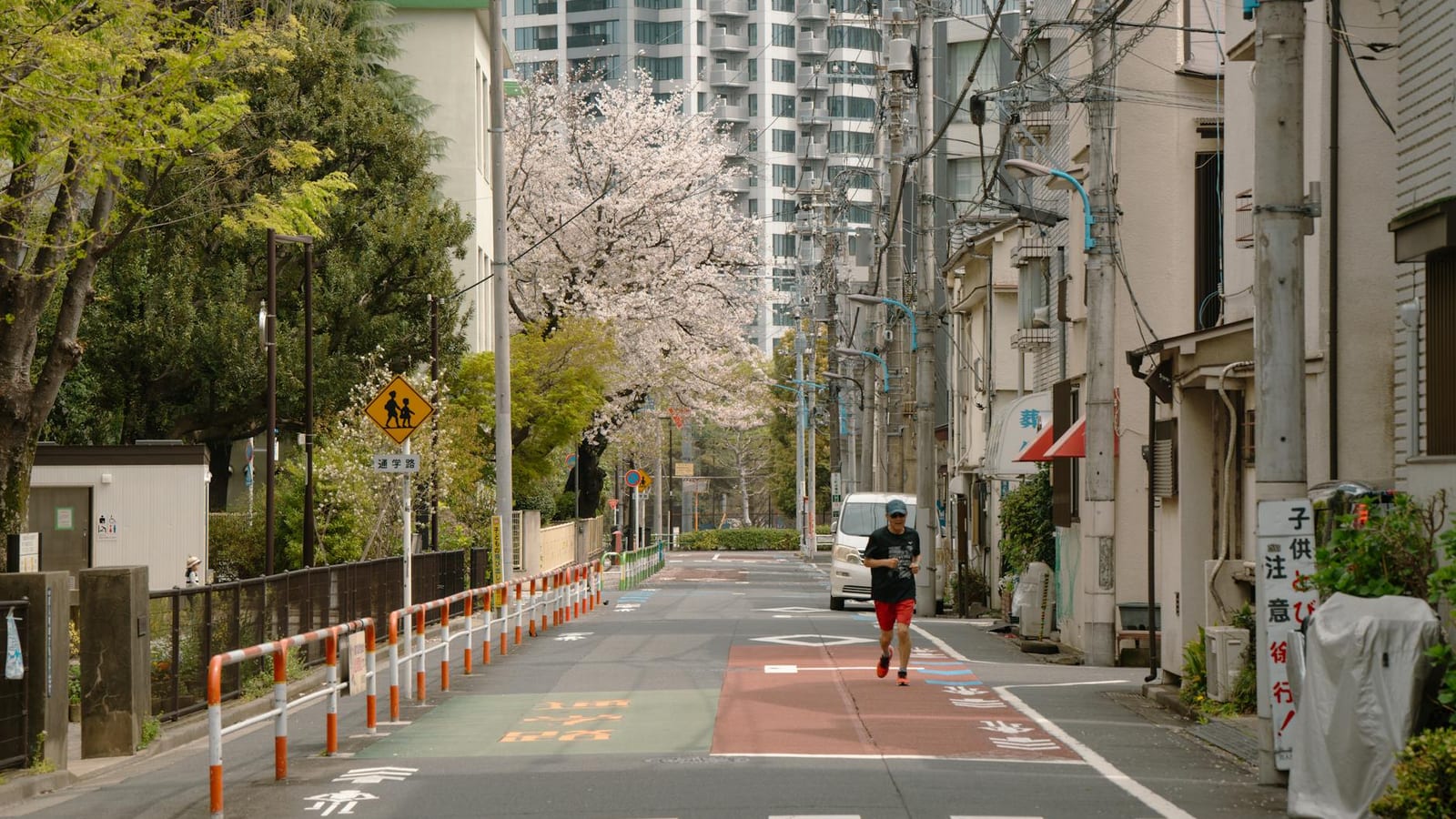
The summer holiday calendar in India looks different this year. Where families once typed Dubai or Doha into the search bar, they now type Osaka, Busan, Tokyo.
According to an Airbnb report carried by Lokmat, Indian travellers have shifted their first preference for the 2026 summer break from the Gulf to East Asia. The reason is partly headlines, partly wallet, and partly a generation that wants something different from a beach and a buffet.
The numbers tell the story. Searches for Osaka, Busan and Tokyo are leading the platform this season among Indian users. Gen Z travellers, the cohort roughly between college and their first decade of work, now make up more than forty percent of the people doing those searches. That is a sharp shift from a year ago, when the same age group was still split between Bali, the Maldives and the Gulf cities.
The Gulf has not stopped being attractive overnight. It has stopped feeling restful. Reports of conflict and tension in West Asia have made even short stopovers feel uncertain. A retired couple booking a six-day Dubai trip for the grandchildren now reads three news alerts before paying the deposit. A working family of four does the same. Not everyone cancels. But many simply look elsewhere.
East Asia is filling that gap, and it is doing so for some very specific reasons.
Visa rules have eased. Japan and South Korea both run online and on-arrival visa schemes for Indian passport holders that are far quicker than the older paperwork-heavy systems. Thailand, long the default for Indian holiday-makers, now competes harder because Japan and Korea are both within reach of a similar mid-tier budget. A Mumbai-to-Tokyo round trip in July, booked four to six weeks ahead, is sitting in a price band that would have got you to Dubai or Singapore not long ago.
The currency story matters too. The Japanese yen has stayed weaker against the rupee for several quarters now, and that turns into real money on the ground. A working professional from Pune who saved seventy thousand rupees for a holiday can now actually eat ramen in a Tokyo neighbourhood, ride the bullet train to Kyoto for an afternoon, and not feel like every meal is a calculation.
Korea has its own pull, and a lot of it is cultural. The K-pop and K-drama wave that built up across Indian cities over the last five years has produced a generation of young people who can name Seoul neighbourhoods before they can place them on a map. For them, walking through Hongdae or Gangnam is not a tourist visit. It is a pilgrimage to a place they already know from screen.
What is interesting is that this is not just about the young. The Airbnb data suggests families are moving in the same direction. Parents who would have once chosen Dubai for the air-conditioned comfort and easy Indian food are now choosing Osaka and Tokyo for cleaner streets, predictable trains, and a sense that the city itself is the experience.
There is also a quieter shift in how Indians travel. The seven-day Europe sprint and the four-day Dubai shopping trip are both falling out of fashion. What is rising is the slower trip. Two cities in ten days. A neighbourhood Airbnb instead of a five-star hotel. Cooking one meal a day instead of eating out three times. East Asia rewards that kind of travel more than the Gulf does.
For ordinary readers planning the next holiday, this matters in practical ways.
If you are looking at Japan or Korea for July or August, book now. Airfares from Indian metros to Tokyo, Osaka and Seoul tend to climb steeply once school holidays begin. Bookings made in May tend to land far cheaper than the same flights bought in late June.
Hotel categories work differently in East Asia. A three-star hotel in Osaka is genuinely smaller than what an Indian traveller expects from three stars in Dubai or Bangkok. The trade-off is that the location is usually walkable to a metro station and to food. If space matters, look at apart-hotels or business-hotel chains instead.
Transport is the part most first-time visitors get wrong. The Japan Rail Pass and the Korea KR Pass, both bookable in India before you fly, save money only on multi-city trips. For a Tokyo-only or Seoul-only holiday, a daily metro card is far cheaper. Read the terms before you click buy.
Food is the other place where Gulf habits do not transfer. There are good vegetarian options in Tokyo, Osaka and Seoul, but they are not on every street corner the way they are in Dubai. Plan ahead. Apps like HappyCow help vegetarian and Jain travellers, and most Indian restaurants in these cities cluster in two or three known neighbourhoods.
The picture for the rest of 2026 will depend on two things. The first is the Gulf situation. If tensions ease, Dubai and Doha will pull some of the family travel back. The second is how airlines respond. Direct flights from tier-two Indian cities to Tokyo and Seoul are still limited. If carriers add routes from Hyderabad, Bengaluru or Ahmedabad, the East Asia trend deepens further.
For now, the message from the Airbnb data, as reported by Lokmat, is simple. Indian travellers are doing what they have always done when the world feels uncertain. They are choosing the destinations where the trains run on time, the streets feel calm, and the holiday actually feels like one.