Indian Summer Travel Shifts From Hill Stations to Heritage Towns
A new wave of Indian travelers is trading Shimla's crowded Mall Road for Chettinad's heritage mansions, Ladakh trails, and Bihar's Buddhist circuit.
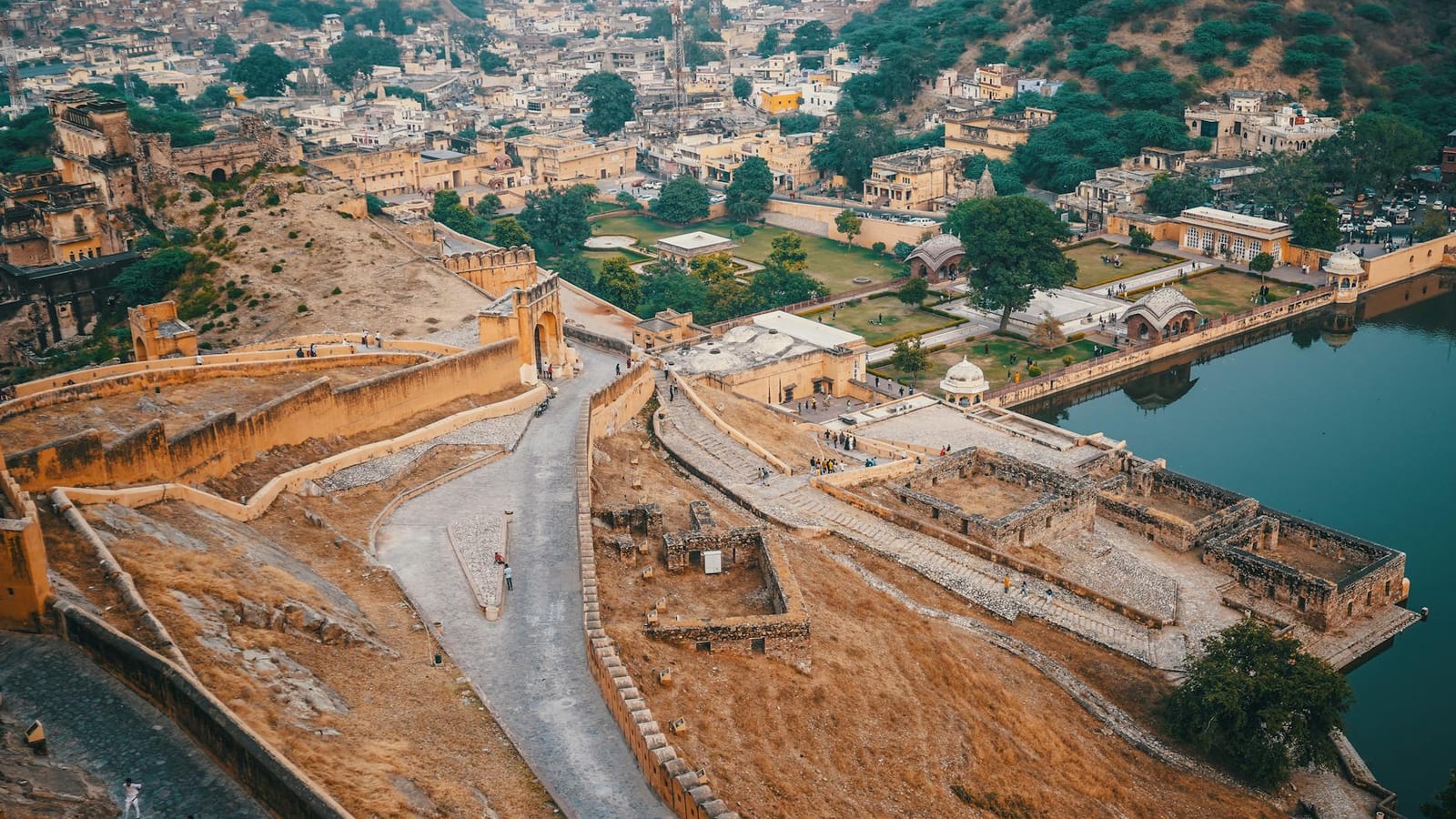
Every May, the same scenes play out. Shimla’s Mall Road gets so packed you can barely walk. Manali’s hotels fill up weeks in advance. The chair car queue in Mussoorie stretches halfway across town. This is Indian summer travel as most people know it.
But something is shifting.
A different kind of traveler has quietly started looking for a different kind of summer. They are heading to Karaikudi in Tamil Nadu’s Chettinad region, where grand merchant mansions sit at quiet street corners, some converted into heritage stays, some still lived in. They are chasing apricot blossoms in Ladakh’s Leh and Kargil districts before the peak crowds arrive. They are walking Buddhist trails across Bihar and Odisha, connecting a history that runs two and a half thousand years deep. And some are discovering what a mountain-raised traveler found in Jaisalmer: that a desert’s golden silence holds a kind of beauty that green hills simply cannot offer.
Indian travel is splitting into two distinct streams. One rushes toward the cool and the convenient. The other moves slowly, deliberately, toward places that ask a little more of you.
The Chettinad pull
Karaikudi sits in Sivaganga district in Tamil Nadu and serves as the heart of Chettinad. The Nattukotai Chettiars, a community of wealthy merchant traders who built fortunes across Southeast Asia, poured that wealth into some of the most spectacular domestic architecture in India. Grand courtyard mansions with polished floors made from a paste of egg white, lime, and river sand. Teak columns. Burmese rosewood doors. Italian marble. Belgian glass.
Many of these homes have stayed in the same family for generations. Some have become hotels. Others are crumbling, because heirs have moved to Chennai or abroad and nobody is left to maintain them. Walking through Karaikudi is layered in that way, you see both flourishing and decay at the same time. The town’s antique market draws dealers from across the country looking for old locks, brass vessels, stone carvings, and handmade furniture.
The local cuisine is some of the most complex in South India, fiery and fragrant, built on techniques that have not changed in centuries. Chettinad cooking is not something you rush through.
Getting there is straightforward. Karaikudi has a railway station with connections from Chennai and Madurai. The nearest airport sits in Madurai, about 90 kilometres away.
Ladakh before the rush
The Apricot Blossom Festival 2026 marks spring’s arrival across Leh and Kargil districts, when orchards burst into bloom and villages fill with music, dance, and food. It is also a practical signal for first-time Ladakh visitors: the roads are opening, the snow is clearing, and the region remains accessible before the July surge overwhelms hotels and guesthouses.
For families and working couples who want Ladakh without the chaos of peak season, late April and early May may be the window. You need time in Ladakh to make it worthwhile, time to reach remote orchards, time to sit with local families, time to watch the light change through the day over those white-and-pink blooms.
Himachal’s quieter May
May is when parts of Himachal Pradesh that rarely make travel shortlists are at their most beautiful. The usual hill stations draw their usual crowds, but there are offbeat locations in Himachal, some at lower altitudes than the popular spots, some reachable only on roads that most visitors never take.
This is mountain travel at its most honest. You do not always get reliable mobile connectivity. You do not get the same hospitality infrastructure. What you get instead is quiet, and scenery that has not been photographed into exhaustion.
Beyond the Kedarnath queue
In Uttarakhand, the area around Kedarnath offers more than its famous shrine. Forests, high-altitude lakes, alpine meadows, and remote trails surround the temple, accessible to anyone willing to trek slowly rather than join the helicopter booking rush. These are not substitutes for the yatra. They are the rest of the story that most pilgrims never get to tell.
Uttarakhand more broadly has hill towns and high-altitude valleys across ten different destinations that work well for summer getaways, places where you can book accommodation without advance planning and drive without constantly worrying about road conditions. Nainital’s lake still delivers. The tea gardens around Ooty, technically across the border in Tamil Nadu, offer a different register entirely.
The problem nobody in the travel industry wants to talk loudly about
The Himalayan belt has a pressure problem. Trails designed for a few hundred trekkers per season now handle thousands. Waste disposal systems that were barely adequate are being overwhelmed. Conservationists, responsible tourism operators, and trekking guides are asking the same question: can you have a thriving mountain tourism economy and a protected mountain environment at current growth rates?
The honest answer is no, not without serious investment in trail infrastructure and stricter enforcement of visitor limits. Anyone heading to popular Himalayan routes this summer should carry their waste out, hire local guides rather than booking through large aggregators who do not invest in the communities they route through, and consider travelling outside peak weeks where the trail is most stressed.
What the shift actually means
Indian travel is maturing. The traveler who spent the 2010s collecting photographs at Instagram-famous locations is, in many cases, the same person now looking for something that resists easy framing. The silence of a Ladakhi apricot orchard at dawn. The layered history inside a Chettinad mansion corridor. A Buddhist monastery in Bihar where the landscape and the history feel inseparable. A Himalayan trail with nobody else on it.
This is not luxury travel in the five-star hotel sense. It is something more personal, an experience of place that takes time and curiosity to unlock.
For destinations that have stayed off the main circuit precisely because they do not offer easy access or familiar comforts, the attention coming their way over the next few years is both an opportunity and a responsibility. The communities that live in these places have not been waiting for travelers to discover them. They have simply been there, going about their lives.
For the Indian traveler in May 2026, the options extend well beyond the Shimla queue. You just have to be willing to look a little further, and move a little slower once you get there.