Hormuz Tensions Put Indian Travel Costs And Fuel Bills On Edge
Iran's warning over Hormuz raises concern for India as oil routes, air travel costs, remittances and household fuel bills face fresh pressure.
A narrow strip of water near Iran can still shake an Indian family budget.
That is the uncomfortable truth behind the latest warning from Iran, where foreign ministry spokesperson Esmail Baghaei has accused Washington of pushing Tehran towards surrender, not negotiation.
For India, this is not some faraway quarrel. The Gulf sits inside our fuel bills, airline routes, remittance economy, and travel plans. When the Strait of Hormuz turns tense, the impact travels fast.
Hormuz sits inside India’s wallet
Baghaei said Iran rejected the latest nuclear proposal from the United States because it wanted one-sided compliance. He argued that talks need give and take, not demands dressed up as diplomacy.
His sharper point was about sequence. Iran, he said, wants the war to end first. It also wants the Strait of Hormuz reopened properly, and what it calls an American maritime blockade removed.
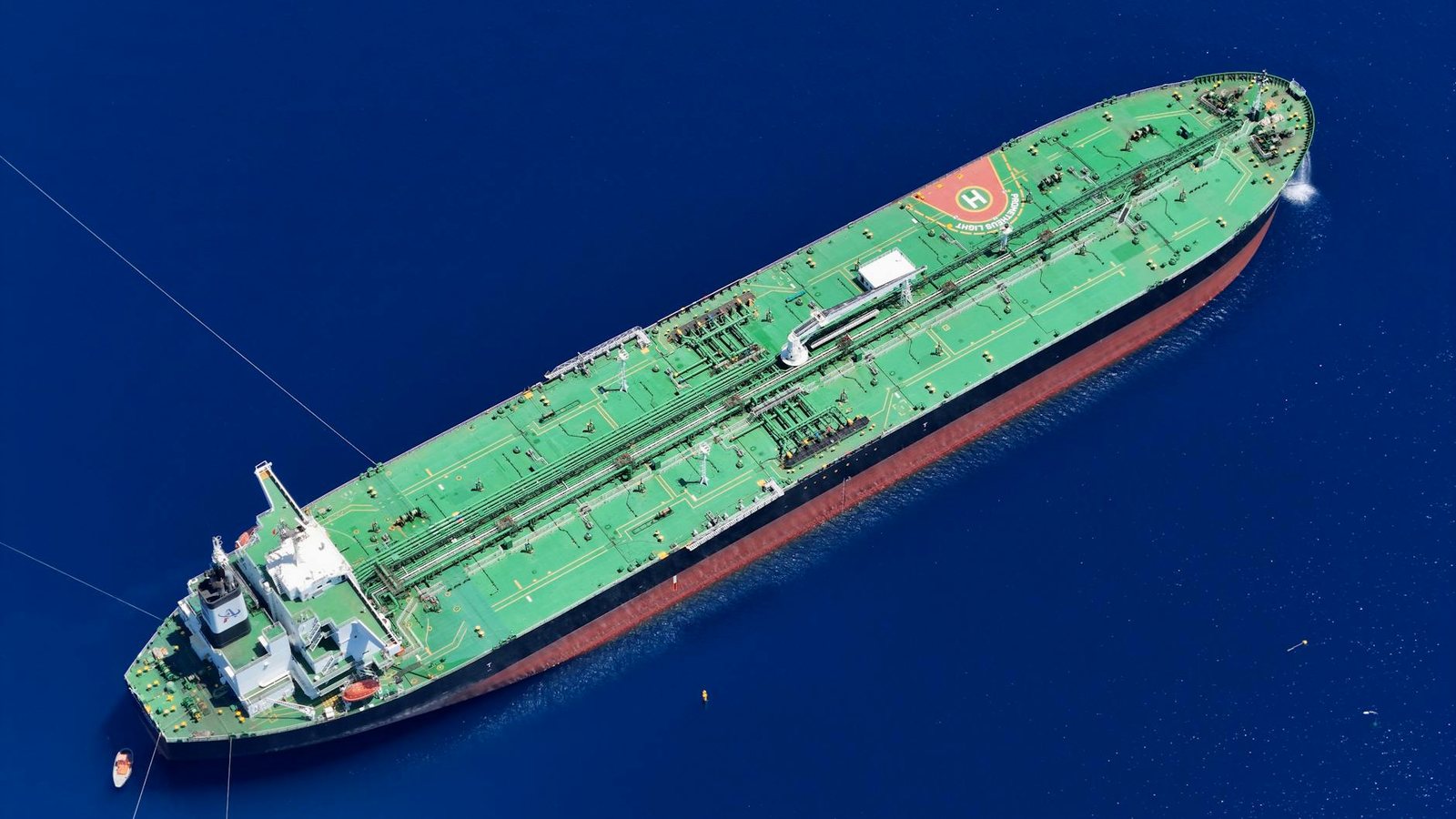
That matters because Hormuz is not just a line on a map. It is one of the world’s most sensitive oil shipping routes. Any disruption there raises anxiety across energy markets.
India watches this lane with special care. A rise in crude prices does not stay in trading rooms. It reaches petrol pumps, airline balance sheets, freight bills, and eventually household budgets.
For travellers, the first effect often comes quietly. Airlines review routes. Insurers become cautious. Families planning Gulf trips or Europe connections start checking advisories twice.
Tehran blames Washington and Israel
Baghaei placed the blame squarely on Washington and Israel. He said Iran kept the Strait open before February 28, and moved only after attacks against it used Gulf territory.
He framed Iran’s response as defensive. In his telling, Tehran acted to stop the waterway from becoming a military route against Iranian targets.
The United States and Israel see the issue differently. They have long argued that Iran’s nuclear programme creates a security threat. Tehran rejects that charge and says its programme serves peaceful purposes.
Baghaei also returned to an old Iranian argument. He said Iran joined the Nuclear Non-Proliferation Treaty decades ago, while Israel remains outside that treaty.
That contrast plays well in Tehran’s diplomatic messaging. It also exposes a larger problem in West Asia. Every side speaks the language of security, but each defines danger differently.
For ordinary Indians, the legal arguments may feel distant. The practical question is simpler. Will ships move, will oil flow, and will flights remain predictable?
Nuclear talks hit another wall
The nuclear dispute has dragged on for more than a decade. The 2015 nuclear deal tried to cap Iran’s programme in return for sanctions relief.
That deal began to unravel after President Donald Trump pulled the United States out in 2018. Iran then reduced its own commitments in stages, while arguing that Europe failed to offset American pressure.
Baghaei said Iran later engaged again through Oman, a mediator that has often handled quiet regional diplomacy. But he accused Washington of damaging talks twice within nine months.
His complaint is not only about the latest proposal. It is about trust. Tehran believes the United States enters talks while keeping military pressure on the table.
Washington, meanwhile, wants stronger limits on Iran’s nuclear activity. Trump has called Iran’s position unacceptable, and the language from both sides now leaves little space for easy compromise.
This is where the danger grows. When diplomacy becomes a contest of public toughness, leaders can find it harder to step back.
India has little room for comfort
India has no luxury of watching this like a spectator. Millions of Indians live and work across Gulf countries. Many families in Kerala, Telangana, Uttar Pradesh, Bihar, and Punjab depend on that income.
The Gulf also acts as a travel bridge. Indian workers, business travellers, tourists, and students use its airports constantly. Even small route changes can create delays and higher costs.
Then comes oil. India has diversified its energy basket, but global prices still move together. If Hormuz becomes unreliable, crude prices can harden even without a full shutdown.
That hits aviation quickly. Fuel forms a large share of airline costs. When fuel rises, fares often follow, especially on busy international sectors.
A middle-class family planning a summer trip may not follow nuclear diplomacy. But they will notice when tickets jump, hotel plans shift, or travel insurance gets stricter.
Indian businesses feel it too. Importers, exporters, shipping agents, and tour operators all prefer boring predictability. Conflict is expensive because it makes everyone add a risk buffer.
The warning behind the warning
Baghaei also said Iran remains ready for escalation. He dismissed claims that Iran’s forces have been weakened badly, and warned against any ground operation.
His message was meant for Washington, but it travelled beyond Washington. It told Gulf capitals, oil buyers, shipping firms, and countries like India that Tehran will not quietly absorb pressure.
He also argued that America, not Iran, faces isolation over the conflict. That claim reflects Iran’s attempt to draw support from countries uncomfortable with unilateral military action.
The timing matters for India as well. Iran’s foreign minister is expected in India for BRICS-related engagements, giving New Delhi another channel to read Tehran’s mood directly.
India will likely keep its public line measured. That has long been New Delhi’s style in West Asian crises. It talks to all sides, avoids loud moral theatre, and protects its citizens first.
Still, quiet diplomacy does not mean low stakes. If the Strait remains uncertain, India will need constant coordination across energy, aviation, shipping, and consular systems.
This crisis is a reminder that travel is never only about visas and fares. Sometimes, a family’s journey from Kochi to Dubai, or Delhi to London through Doha, depends on decisions made in rooms far away. For Indian readers, the real question is not who wins the shouting match. It is whether diplomacy can reopen the waterway before uncertainty becomes the new cost of moving through the world.