Hormuz fuel shock may lift Europe airfares for Indians
Europe's jet fuel surge after the Hormuz shutdown could raise long-haul fares, hitting Indian students, families and business travellers.
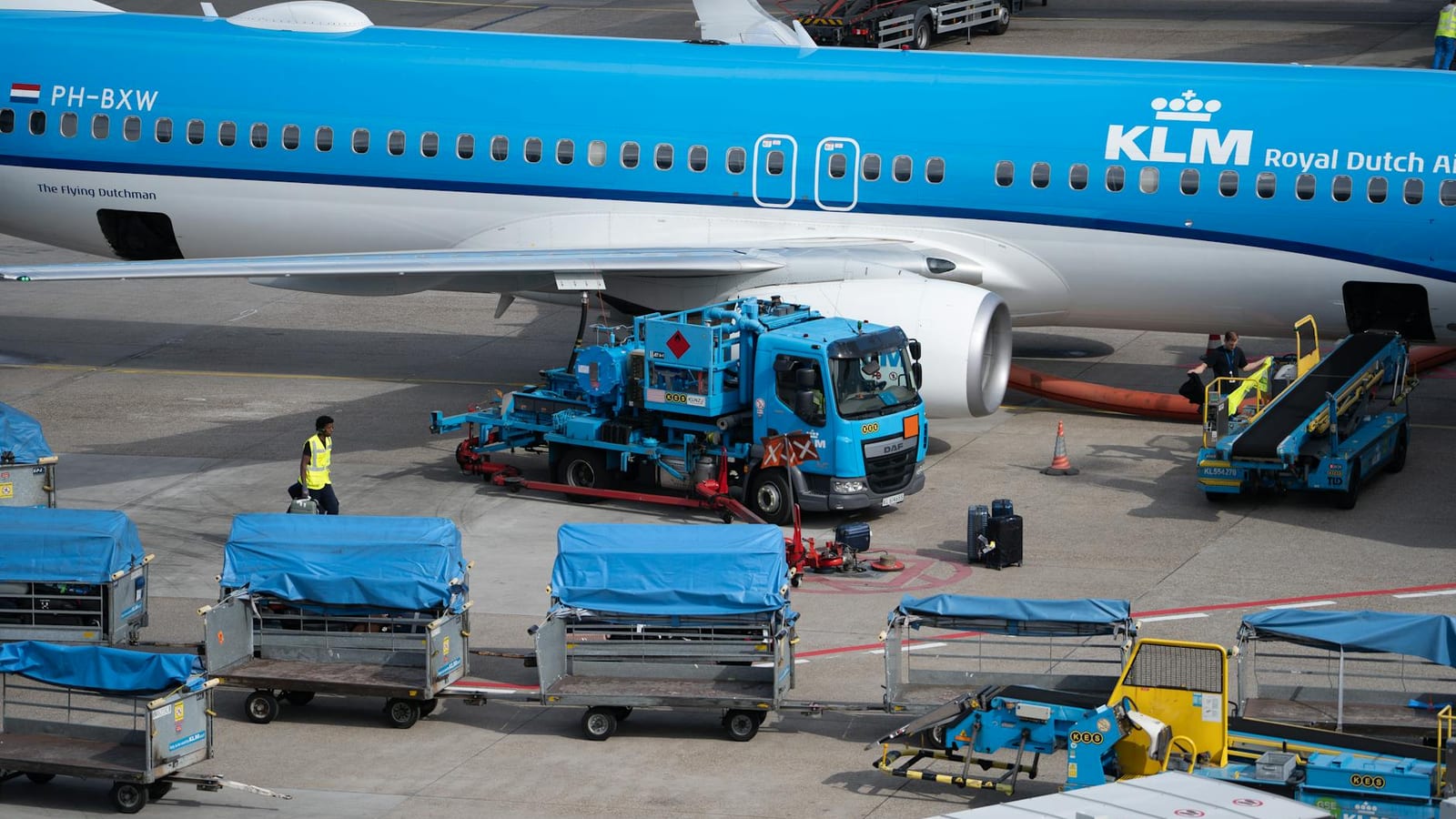
The price of a holiday can change inside a refinery, long before it reaches an airline website.
That is the uncomfortable travel lesson from Europe’s latest fuel shock. A closed Strait of Hormuz has sent jet fuel prices flying, pushed airlines into cancellations, and forced the United Kingdom to soften its stand on Russian oil refined abroad.
For Indian travellers, this may sound distant. It is not. When fuel costs jump in Europe, long-haul fares often follow. Summer trips, student travel, business flights, and family visits all become more expensive.
Europe’s fuel shock hits travel
The Strait of Hormuz is a narrow sea route near Iran. A large share of global oil and fuel trade passes through it.
After the US-Iran war broke out, the route effectively shut. That blockage hit Europe especially hard because more than half its jet fuel moved through this channel.
Jet fuel prices in Europe rose sharply. In late February, the rate stood at about $831 per tonne. By early April, it had touched $1,838 per tonne.
That is not a small rise. It changes airline maths overnight.
Airlines plan fuel budgets months in advance. When prices double within weeks, they either absorb losses, raise fares, reduce flights, or cut less profitable routes.
Travellers usually feel this later. First come cancellations and schedule changes. Then come higher fares, especially close to departure dates.
For Indians flying to London, Paris, Amsterdam, Frankfurt, or onward to North America, this matters. Europe is not just a destination. It is also a major transit hub.
Britain’s quiet Russian oil shift
The British government had spent two years presenting itself as one of the toughest voices on Russian energy sanctions.
Then it issued a licence allowing Russian crude, once refined in countries such as India and Turkey, to enter British markets. The document appeared without a big public announcement.
A UK trade minister later told Parliament that the government had handled the move clumsily.
That word does a lot of work. In plain English, Britain had to bend a rule it had strongly defended.
The official line framed this as a phase-in measure for a planned ban. Critics saw it as a waiver. The difference may matter legally, but the market heard the practical message.
Russian-origin oil could still reach Britain if another country refined it first.
This is where India sits in the story. Indian refiners have bought discounted Russian crude since the Ukraine war began. They process it into fuels such as diesel and jet fuel, then sell products globally.
That trade has always sat in a grey area. The crude starts in Russia, but the refined product leaves from India. Western governments have often treated the two differently.
The latest British licence brings that grey area into the open. It shows how sanctions can look firm in speeches, but softer at the fuel pump.
Airlines face the first squeeze
Airlines are among the first businesses to feel an oil shock. Fuel can be one of their largest costs.
When prices rise this fast, cheaper seats vanish quickly. Routes with weaker demand become harder to justify. Flights that depend on thin margins come under pressure.
That affects travellers in very ordinary ways. A family planning a Europe vacation may see fares jump between two searches. A student flying for admissions may pay more for the same route. A working couple planning a long weekend may simply postpone.
The pain does not stop at air tickets. Hotels, tour buses, airport transfers, ferries, and delivery costs also react to fuel.
Europe’s travel industry had only recently found its rhythm after the pandemic years. Demand returned, but staffing remained tight in many places. Airports became busy again. Hotels recovered pricing power.
Now fuel has added another stress point.
For Indian travellers, the advice is practical. Book earlier where possible. Avoid very tight connections. Keep room in budgets for fare changes and local transport costs.
This is not the season to assume last-minute Europe fares will behave kindly.
Sanctions meet hard geography
The bigger political story sits behind the travel disruption. Russian oil never fully left Europe.
The European Union banned most seaborne Russian crude. That meant oil arriving by tanker faced strict limits. This hurt Moscow’s revenue because tankers carried a large share of Russian oil to Europe.
Pipeline oil, however, remained more complicated.
Hungary and Slovakia rely heavily on the Druzhba pipeline. It brings Russian crude into refineries built for that specific grade of oil. You cannot replace that system with a quick phone call and a new supplier.
Refineries need equipment changes. Ports need capacity. Pipelines need connections. Contracts need rewriting. Workers need new operating systems.
That takes years, not days.
This is why some European governments quietly wanted room to keep Russian energy moving. Publicly, they backed pressure on Moscow. Domestically, they feared fuel shortages and angry voters.
Hungary’s Viktor Orban used that pressure point hard. He blocked a large EU loan to Ukraine until Druzhba flows resumed after damage to a pipeline section through Ukraine.
Slovakia backed the position.
After Orban lost Hungary’s April election, the pipeline restarted almost immediately. The EU loan moved ahead the same morning.
One election changed the sanctions picture. That tells us how fragile the whole arrangement had become.
Putin gains without moving
The strange part is that Russia did not create this particular crisis.
Vladimir Putin did not close the Strait of Hormuz. He did not trigger Europe’s jet fuel spike. He did not force airlines to cancel flights.
Yet the consequences moved in his favour.
Britain softened a sanctions pathway. The United States extended a similar arrangement for some Russian oil cargoes already at sea. Parts of Europe pushed again for pipeline supplies.
Ukraine’s sanctions officials understood the energy pressure, but opposed the result. Their concern was simple. Every exemption can still send money into Russia’s war economy.
That is the hard moral knot here. Energy systems do not run on slogans. But wars are often funded through exactly these messy supply chains.
For travellers, this may feel like a distant argument between capitals. But the effect reaches daily life through ticket prices, flight choices, and holiday budgets.
The same barrel of oil can move through war, diplomacy, refining, shipping, and finally an airport tank. By the time it reaches your boarding gate, the politics has become a fare.
The next few weeks will show whether this is a short shock or a longer reset. If Hormuz stays disrupted, airlines will keep adjusting. If governments keep loosening rules, Russian oil will keep finding paths through the system.
For ordinary travellers, the message is blunt. The cheap, predictable Europe season may not arrive this year. And the cost of a summer ticket may now depend as much on geopolitics as on demand.