Hinduja heirs retain top spot on Britain rich list with £38bn
The Hinduja family remains Britain's wealthiest for a fifth year, with a £38 billion fortune spanning autos, banking, energy and real estate.
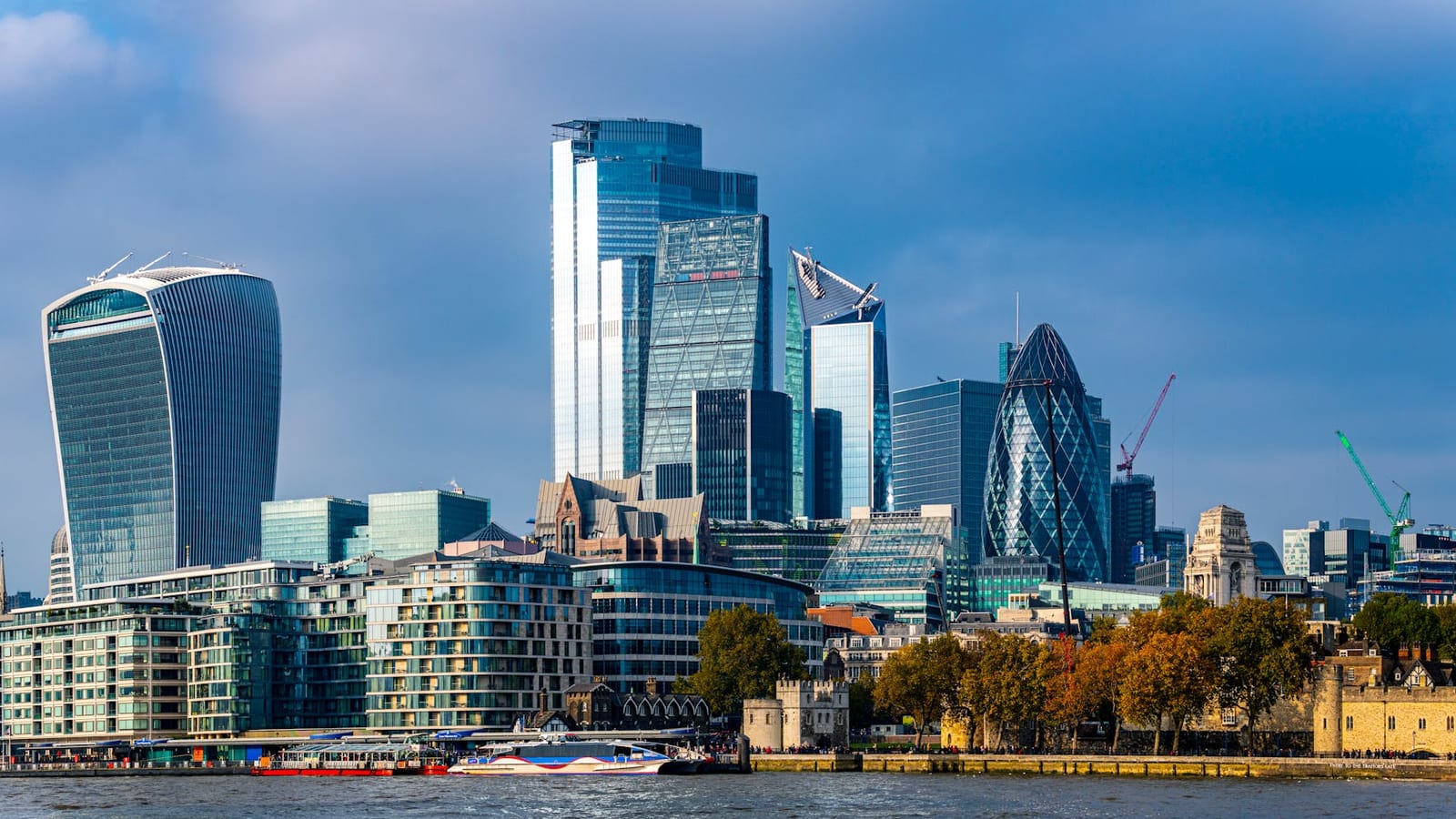
A family business that began in pre-partition India now sits above Britain’s old money again.
The Hinduja family has been named the UK’s richest for the fifth straight year, with an estimated fortune of 38 billion pounds. That is roughly Rs 4 lakh crore, depending on the exchange rate on the day.
For Indian readers, this is not just another rich list headline. It says something about how Indian-origin capital now moves through London, Mumbai, Geneva, Dubai, and global boardrooms with equal ease.
Hindujas stay on top
The 2026 annual ranking places Sanjay and Dheeraj Hinduja and their family at number one in Britain.
The change at the top is also personal. Their father, Gopichand Hinduja, died in November 2025 at 85. His sons now carry the family name at the summit of British wealth.
The Hinduja Group has interests across 38 countries. Its businesses cover mobility, banking, technology, lubricants, energy, real estate, healthcare, media, and trading.
That spread matters. When one sector slows, another can soften the blow. It is the old trading-house logic, updated for electric vehicles, finance, and global infrastructure.
Sanjay Hinduja chairs Gulf Oil International. Dheeraj Hinduja oversees Ashok Leyland, the Indian commercial vehicle major.
Ashok Leyland’s shares have had a strong run. The company has benefited from India’s push toward cleaner transport and electric mobility.
For ordinary Indians, that link is more direct than it looks. Buses, trucks, delivery vehicles, and fleet operators sit at the centre of daily commerce.
When companies like Ashok Leyland shift toward electric vehicles, the change eventually reaches city buses, logistics costs, and transport jobs.
Indian-origin wealth reshapes Britain
The Hinduja fortune also tells a larger story about Britain.
The country’s richest list no longer belongs only to landed families, old banks, and inherited estates. It now reflects global migration, tax planning, and business built across continents.
Indian-origin billionaires have become a regular feature in Britain’s wealth tables. Some made money in commodities. Some built property empires. Others grew through finance, industry, and technology.
David and Simon Reuben, India-born brothers, held second place with about 27.97 billion pounds.
Their current focus includes two large London renovations. Admiralty Arch and Cambridge House are being turned into luxury hotels.
That may sound distant from India’s middle-class travel worries. Yet London remains a key destination for Indian families, students, executives, and tourists.
Luxury hotel projects at such historic sites show where global capital sees demand. The richest visitors want heritage, privacy, and location. London keeps selling all three well.
For Indian travellers, this also explains why central London can feel brutally expensive. Wealth from across the world competes for the same rooms, restaurants, and streets.
The Reuben brothers’ projects sit in that market. They are not about budget tourism. They are about the top end of global travel, where history becomes a priced experience.
The list has warning signs
The headline number looks grand, but the wider list shows strain.
The 350 richest individuals and families in the UK together hold 784 billion pounds. That is only 1.4 percent higher than last year.
For a rich list, that is a modest rise. It suggests that even the very wealthy face slower markets, tighter rules, and weaker confidence.
The entry point also slipped. A person now needs 340 million pounds to enter the list, 10 million pounds less than last year.
That sounds absurd to most readers, of course. But among the super-rich, falling entry bars often signal cooling asset values.
Property may not rise as fast. Shares may wobble. Private businesses may draw lower valuations. Tax rules may also change behaviour.
This is where Britain’s policy choices enter the picture. At least 15 foreign nationals from last year’s list no longer appear because they now live elsewhere.
Lakshmi Mittal, once among the most visible India-linked names in British wealth, is among those no longer featured after moving residence.
Britain has changed parts of its tax system for wealthy foreign residents. These rules affect people who live in the UK but have strong financial ties abroad.
For billionaires, residence is not only about where the family home sits. It decides how income, assets, inheritance, and overseas wealth may be taxed.
For governments, the choice is tricky. Tax the wealthy too lightly, and voters see unfairness. Tax them too sharply, and some capital walks out.
Some fortunes rose, others fell
Not every Indian-origin name moved the same way.
Textiles entrepreneur Prakash Lohia rose to 28th place, with wealth estimated around 6.44 billion pounds.
His rise reflects the quiet power of manufacturing fortunes. These businesses rarely attract the glamour of tech founders, but they can compound steadily.
Vedanta Resources founder Anil Agarwal slipped to 43rd place from 25th last year. His estimated wealth stood at about 3.85 billion pounds.
That fall shows how exposed industrial fortunes can be to debt, commodity cycles, regulation, and investor mood.
Metals, mining, and energy can create vast wealth. They can also punish quickly when prices, loans, or policy winds move the wrong way.
This is why rich lists are useful, but only up to a point. They capture a snapshot, not a full film.
A listed company’s share price can change sharply in months. A private business can be valued differently when lenders grow cautious.
Still, the broad direction matters. Indian-origin wealth remains deeply embedded in Britain’s financial and property life.
The Hindujas staying at number one reinforces that point clearly. Their fortune is not a one-sector story. It is a many-country, many-industry machine.
For India, there is a quieter lesson here. The country’s business families are no longer only domestic power centres. Many now sit inside global systems of tax, trade, transport, and finance.
That global reach brings pride, but also questions. Where do these fortunes create jobs? Where do they pay taxes? Which cities benefit from their investments?
For a young Indian professional paying rent, or a small business owner watching fuel and transport costs, 38 billion pounds can feel unreal.
But the companies behind those numbers shape buses, banks, hotels, oil, property, and credit. That is why such lists matter beyond curiosity.
The next chapter will depend on two things. Can these business families adapt to cleaner technology and tighter regulation? And can countries like Britain keep attracting global wealth without angering citizens who feel squeezed?
For ordinary readers, the takeaway is simple. Wealth now travels faster than ever. The real story is where it lands, what it builds, and who gets to share in it.