Gulf denials cloud Trump's claim on Iran strike pause
Conflicting Gulf accounts over Trump's claimed Iran strike pause raise questions for India on flight routes, fuel costs, jobs and remittances.
One hour can be a lifetime in West Asia. That is how close Donald Trump says America came to hitting Iran again this week.
For Indians, this is not some distant map-room drama. It sits right inside flight routes, petrol bills, Gulf jobs, remittances, and family WhatsApp groups.
Trump says Gulf leaders asked him to pause. Some officials from those same countries say they knew nothing about the planned strike. That gap matters.
Trump’s pause raises harder questions
Trump told reporters that he had stopped a fresh attack on Iran after Gulf leaders urged restraint. He named Qatar, Saudi Arabia, and the United Arab Emirates.
His version was simple. Serious talks were underway, he said. Gulf leaders wanted Washington to wait before firing again.
But officials from some Gulf countries later said they had no knowledge of such an imminent operation. That denial cuts into the neat story of a coordinated diplomatic pause.
This is the problem with crisis diplomacy under television lights. A pause can look like statesmanship. It can also look like confusion.
Trump then kept the threat alive. He said the US could act within days if talks failed. He even mentioned Friday, Saturday, Sunday, or early next week.
That is not a quiet negotiating room. That is a countdown clock.
Iran offers a difficult bargain
Tehran has not stayed silent. Iranian state media said the government sent a 14-point proposal through Pakistan.
The demands were broad. Iran wants sanctions lifted, frozen assets released, and US forces pulled away from areas near its borders.
Deputy Foreign Minister Kazem Gharibabadi also sought removal of the US naval blockade. He asked for compensation for wartime damage.
In plain English, Iran wants relief before surrendering much pressure. Washington sees that as too little, too late.
Trump has already dismissed earlier Iranian terms in harsh language. The latest offer does not appear to have changed the White House mood.
Still, Iran’s message tells us something. Tehran wants a channel open, even while it keeps hard terms on the table.
That is often how these talks begin. Both sides shout in public, then test each other through mediators.
Gulf capitals face the squeeze
The Gulf countries are trying to avoid becoming the stage for another war. They trade with the US, host American interests, and live next door to Iran.
That is a dangerous triangle. One wrong drone strike, one oil facility hit, or one naval clash can drag them in.
Saudi Arabia and the UAE have already faced attacks on infrastructure in recent years. They know the cost is not just military. It hits insurance, investment, tourism, and daily business.
For Indian workers in the Gulf, the worry is practical. Will flights run? Will salaries arrive? Will companies delay hiring?
For families in Kerala, Telangana, Punjab, and Uttar Pradesh, Gulf stability is household economics. Remittances pay school fees, home loans, medical bills, and weddings.
That is why Gulf governments usually choose careful language. They do not want Iran emboldened. They also do not want American missiles creating a wider fire.
Trump’s claim put them in a tight corner. If they backed him, they angered Tehran. If they denied him, they exposed confusion in Washington’s account.
Hormuz keeps everyone nervous
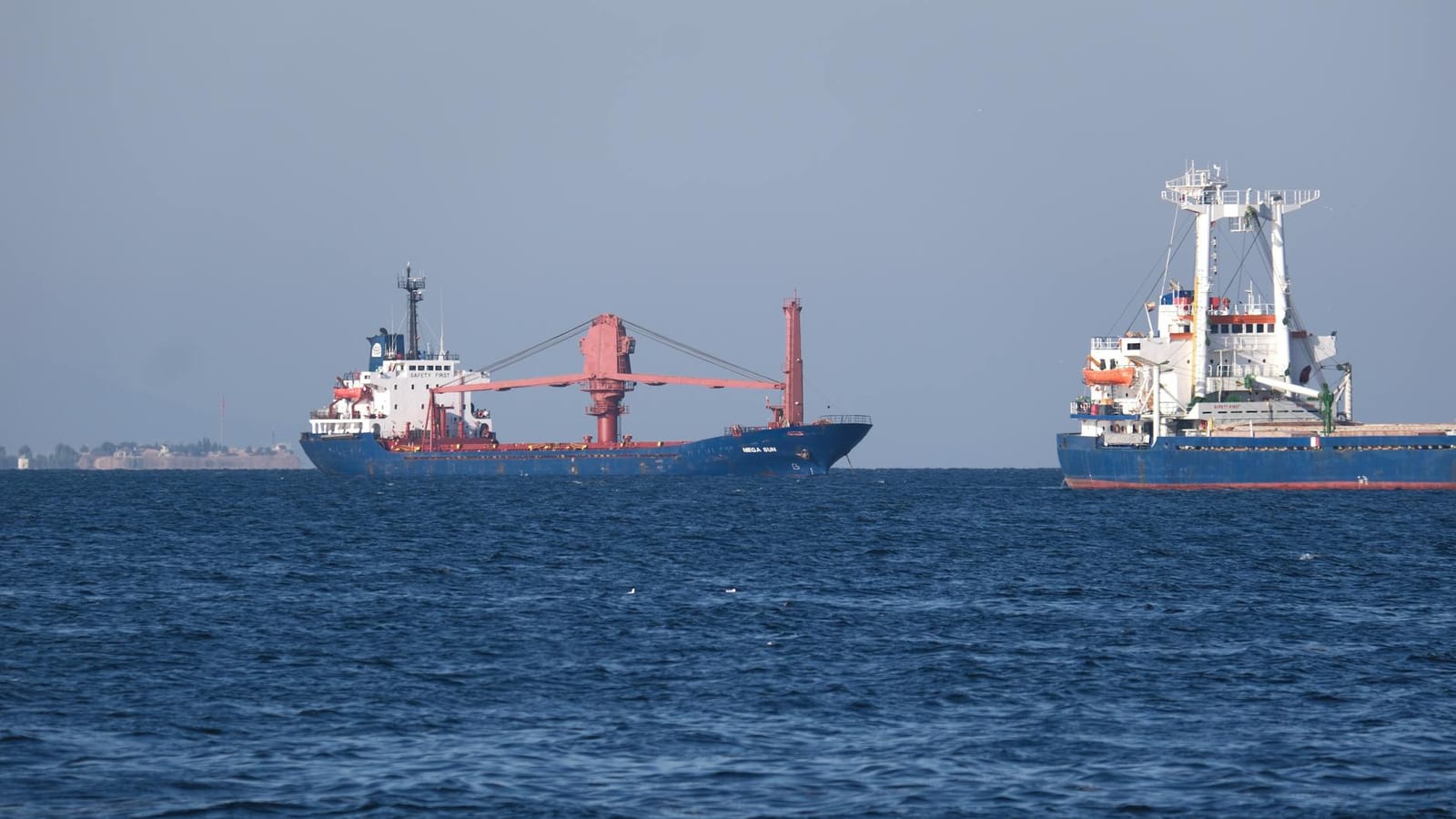
The Strait of Hormuz is a narrow waterway with an outsized grip on the world. A large share of global oil moves through it.
When shipping there slows, fuel markets get jumpy. When fuel markets get jumpy, India feels it quickly.
Petrol and diesel prices do not move only because of domestic taxes. They also respond to crude oil, shipping costs, and risk premiums.
A risk premium is simple. Traders charge more when they fear trouble ahead.
That fear can enter an Indian household quietly. A transporter pays more for diesel. A vegetable truck costs more to run. A kirana store owner raises prices by a rupee or two.
Airlines also watch the region closely. If routes change or fuel prices rise, fares can follow. Families planning summer travel feel that pain first.
This is why West Asia crises rarely stay foreign. They travel through oil tankers, cargo ships, aircraft routes, and currency markets.
India also has another concern. Millions of Indians live and work across the Gulf. Any escalation forces New Delhi to think about evacuation plans, consular help, and emergency advisories.
Diplomacy now has little room
Trump says he cannot allow Iran to get a nuclear weapon. That has been America’s central line for years.
Iran says it wants sanctions relief and security guarantees. It also wants the US military footprint near Iran reduced.
Between those positions lies a very narrow path. Both sides want to claim strength. Neither wants to look cornered.
That makes public threats risky. They may please domestic audiences, but they leave diplomats less room to compromise.
A limited strike may sound neat in a briefing room. On the ground, limits rarely obey the plan. Iran can respond through allies, drones, shipping pressure, or cyber action.
The Gulf knows this better than most. Its cities run on confidence. Airports, ports, hotels, energy firms, and financial centres all need predictability.
For Indian travellers, this means one clear habit. Watch official advisories, airline alerts, and insurance terms before booking Gulf connections during tense weeks.
For Indian businesses, the bigger lesson is older. When oil routes shake, costs spread across the economy faster than most people expect.
Trump’s one-hour pause may hold, or it may vanish with the next failed meeting. Either way, ordinary people will read the outcome in ticket prices, fuel bills, job calls from Dubai, and anxious messages from relatives overseas. That is the real measure of this crisis. Not who sounded toughest at a podium, but who gets to keep life moving without another war.