Gulf Denials Cast Doubt on Trump's Iran Strike Claim
Conflicting accounts from Washington and Gulf capitals over a claimed Iran strike plan raise risks for oil, aviation, shipping and Indian families.
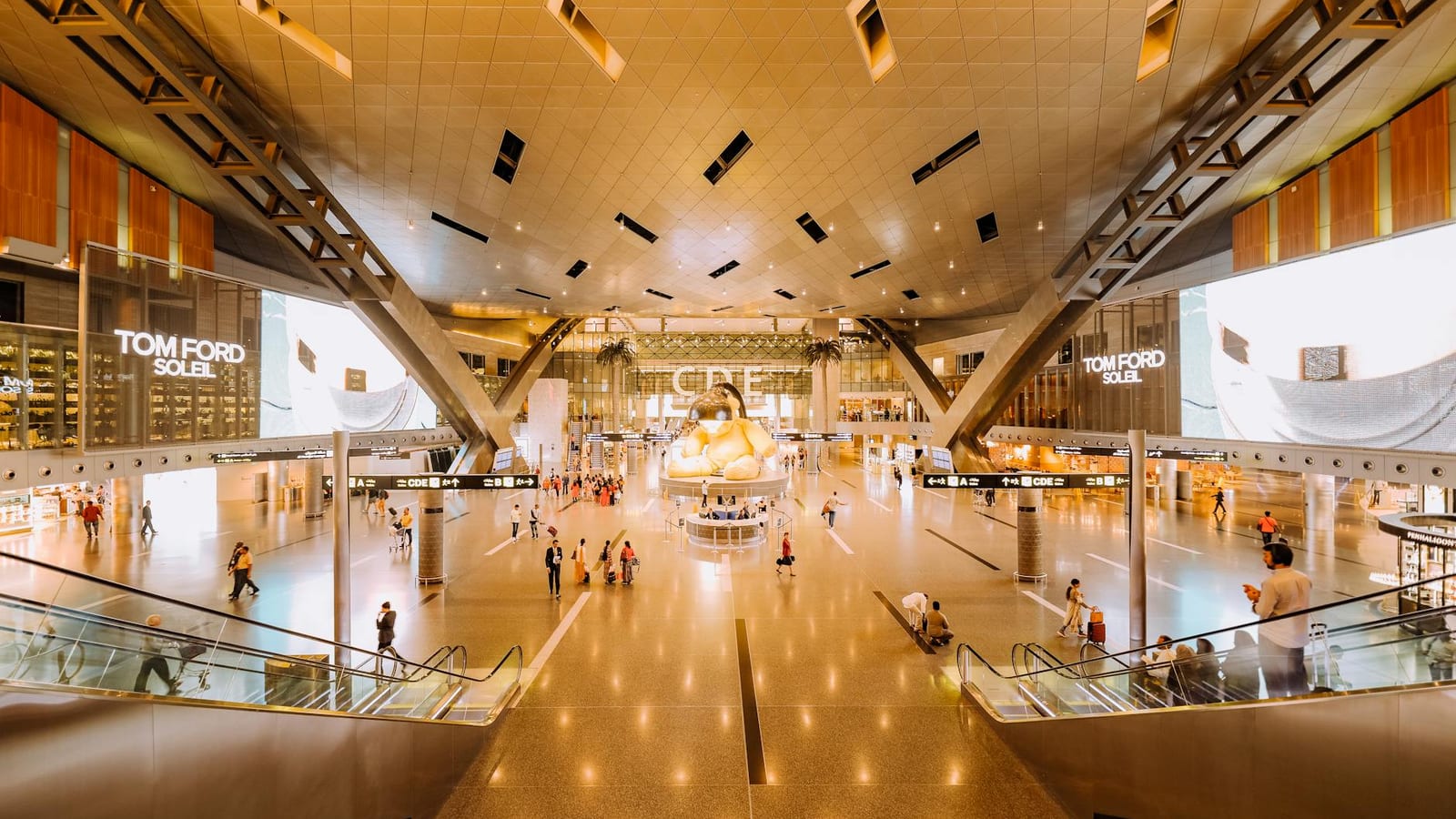
For Indians with family in the Gulf, this is the kind of headline that tightens the chest.
One day, Washington says it paused a strike on Iran because Gulf leaders wanted talks. The next day, officials from those same Gulf states say they knew nothing about such a strike plan.
That confusion matters far beyond Washington. It matters in oil markets, airline routes, remittances, shipping bills, and family WhatsApp groups from Kerala to Punjab.
Trump’s claim meets Gulf denial
Donald Trump said he had stopped a planned military attack on Iran after leaders from Qatar, Saudi Arabia and the United Arab Emirates urged restraint.
He said they wanted to give diplomacy another chance. He also said serious talks were taking place.
But officials from some Gulf countries later said they had no knowledge of the planned operation Trump described. That is not a small gap. It raises a basic question. Did Gulf leaders really ask Washington to pause, or did Trump want a political exit ramp?
Trump said the strike was meant for Tuesday. He also said he was just an hour away from approving it. For any region sitting on oil, shipping routes and American military bases, that is a dangerous clock.
His message has shifted almost daily. One moment, he talks about negotiations. The next, he warns that America could strike again within days.
This style may work in domestic politics. In West Asia, it keeps everyone guessing. And guessing is expensive.
Iran sends fresh proposal
Iran has tried to reopen talks through Pakistan, according to Iranian state media. Its latest proposal has 14 points.
Tehran wants a pause in regional conflicts, including Lebanon. It wants US sanctions lifted. It also wants frozen Iranian assets released and American forces moved away from areas near Iran.
Iranian Deputy Foreign Minister Kazem Gharibabadi said Tehran also wanted the US naval blockade removed. He sought compensation for damage caused during the war.
Washington has not sounded impressed. A senior US official said the offer did not go far enough.
Trump has already dismissed earlier Iranian proposals in harsh language. So this new document may be less a breakthrough and more a bargaining marker.
Still, even a weak proposal matters when missiles sit on the table. Diplomacy often begins with positions both sides call impossible.
The real issue is Iran’s nuclear programme. Trump says America cannot allow Iran to acquire a nuclear weapon. He told reporters he would act whether it was popular or not.
That may sound firm to his supporters. But for the region, firmness without clarity can be frightening.
Gulf states walk a tightrope
The Gulf countries now face a familiar problem. They need American security, but they also fear becoming the battlefield.
Qatar, Saudi Arabia and the UAE have close ties with Washington. They also live in Iran’s neighbourhood. A decision taken in the White House can land at their airports, ports and energy plants.
That is why their reported denial matters. If they did not know about an imminent strike, it suggests Washington may be making military plans with limited regional consultation.
For Gulf governments, that is uncomfortable. They want Iran contained, but not at the cost of chaos next door.
The conflict has already spread across the region. Iran has used pressure points against America’s Gulf allies. Reports also point to attacks on infrastructure and covert responses from Gulf powers.
This is how West Asian crises often widen. Nobody says they want a full war. Then each side takes one limited step. Soon, the map starts burning in more than one place.
For Indian travellers, that can mean sudden flight changes. For Indian workers, it can mean anxious calls home. For businesses, it can mean higher fuel and freight costs.
The Gulf is not some faraway theatre for India. It is where millions of Indians work, travel, earn and send money home.
Hormuz keeps markets nervous
The Strait of Hormuz is the narrow waterway everyone watches in this crisis.
A large share of the world’s oil moves through this route. When tensions rise there, markets react quickly. Even a rumour can move crude prices.
For India, higher oil prices hit ordinary life fast. Petrol and diesel become costlier. Transport costs rise. Airlines feel the pinch. Imported goods can become more expensive.
A kirana store owner in a tier-2 city may never think about Hormuz. But if diesel rises, his supply costs rise. If freight rises, his margins shrink.
Young professionals paying home loans feel it too. Inflation makes monthly budgets tighter. A family planning a Gulf holiday may suddenly find airfares less friendly.
Shipping disruption also affects exporters and importers. Indian businesses dealing with the Gulf need predictable routes. Conflict adds risk premiums, delays and insurance costs.
That is why the Strait of Hormuz is more than a line on a map. It is a pressure valve for the global economy.
India watches with practical worry
India will not want another West Asian crisis at this scale. New Delhi has deep ties with the Gulf, strong relations with the US, and old links with Iran.
That balancing act has become harder. If the US strikes Iran again, India may face oil shocks, diplomatic pressure and concerns over its citizens abroad.
For families, the worry is more direct. Parents with children working in Dubai, Doha or Riyadh do not read strategic papers. They check whether airports are open and phones are reachable.
Travel agents will also watch this closely. Gulf routes are among the busiest for Indians. A security scare can force airlines to reroute, delay, or raise fares.
The timing matters too. Many Indian workers plan trips around family events, school holidays and job contracts. A sudden escalation can upset months of planning.
Trump says Iran is desperate for a deal. Iran says it has offered terms through Pakistan. Gulf states want to avoid becoming collateral damage.
Yet the crisis still hangs on one hard question. Can both sides accept a deal without looking weak at home?
That is often where diplomacy gets stuck. Leaders can agree privately before they can sell it publicly.
For ordinary Indians, the lesson is simple but sobering. A missile not fired still has consequences. It can move oil prices, shake travel plans and worry families across continents. The next few days may decide whether this crisis cools into talks, or returns to fire.