Coolcations Push Indians Beyond Usual Hill Stations
Indian travellers are choosing cooler valleys, desert towns and heritage circuits as summer heat reshapes holiday plans beyond crowded hill stations.
A summer holiday in India now starts with one question: how far from the heat can we get?
That question is sending travellers beyond the usual hill-station checklist. Families still look at easy mountain breaks. Young professionals want short, low-planning escapes. Retirees prefer slower routes with comfort. Backpackers chase trails, valleys, monasteries, and towns where the day does not run by the clock.
The result is a more interesting travel map. It stretches from Sissu in Lahaul Valley to Karaikudi’s Chettinad mansions, from Jaisalmer’s desert quiet to Buddhist circuits in Bihar and Uttar Pradesh.
Cool air is the new luxury
For many Indians, summer travel has become less about sightseeing and more about breathing properly. When the plains turn harsh, cooler places feel like relief, not indulgence.
That explains the rise of “coolcations”. The word sounds imported, but the instinct is very Indian. We have always run to the hills when cities bake.
What has changed is the choice of places. Travellers now look beyond packed promenades and traffic-heavy mall roads. They want valleys, forested slopes, high-altitude villages, and quieter mountain towns.
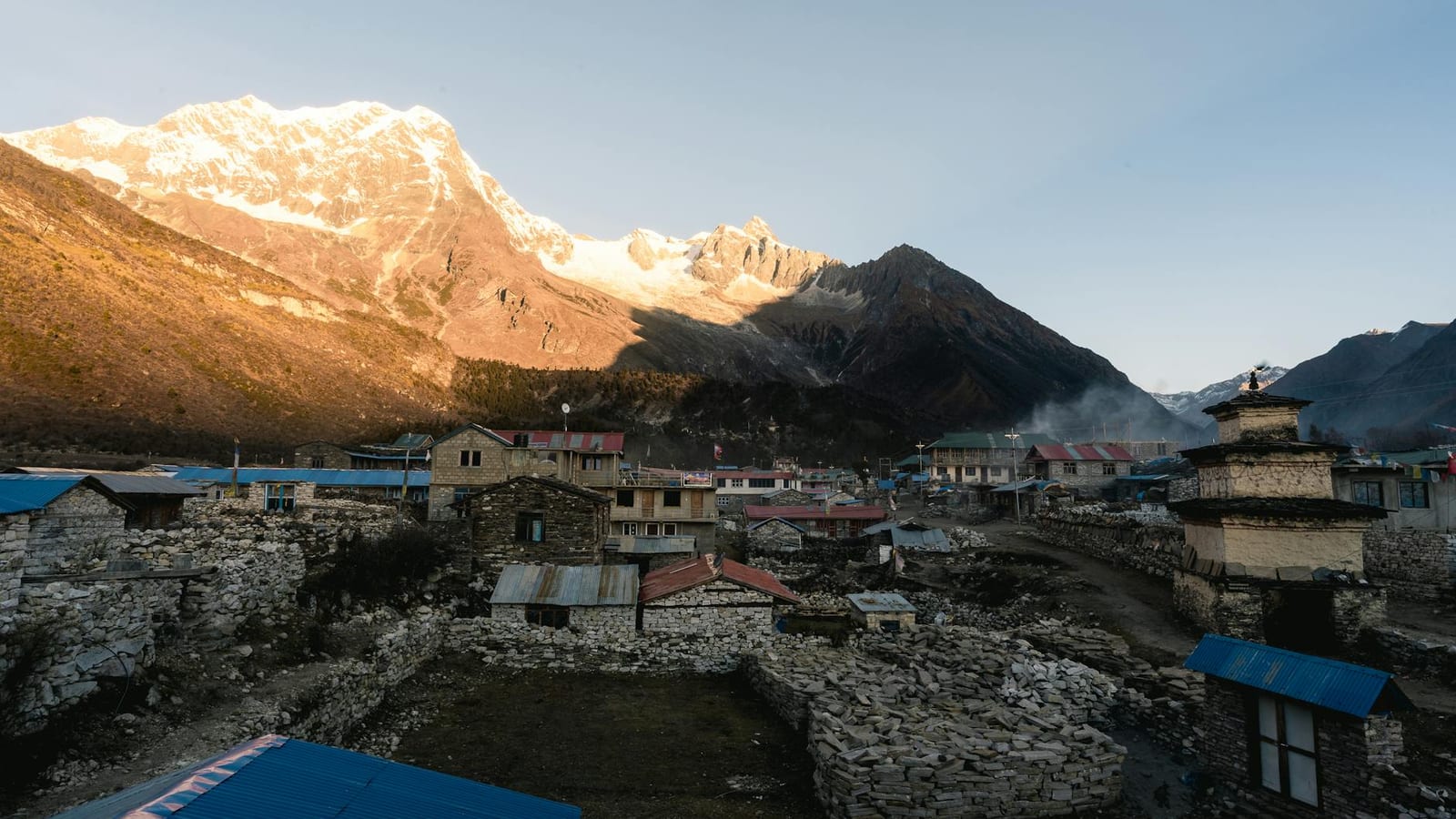
Himachal Pradesh still sits high on that list. But the focus has shifted from only Shimla and Manali. Places near Lahaul, Shoja, Mechuka, Zuluk, and other quieter mountain belts now attract people who want fewer crowds.
Sissu shows why this shift works. It gives travellers river views, mountain trails, stargazing, and local culture. It also stays close enough to Manali for those who do not want a hard expedition.
That balance matters. Most Indian travellers are not trying to prove a point. They want beauty, decent access, basic comfort, and a break from daily noise.
Short breaks are changing habits
The old idea of the annual family holiday still exists. But many urban Indians now travel in smaller bursts. A two-night break has become the new pressure valve.
These micro escapes fit into busy lives. You do not need months of planning. You do not always need flights. Sometimes, a nearby hill town, a heritage stay, or a quiet coastal patch does the job.
This is why April to June matters so much. Long weekends create small windows. Families can travel before school pressure returns. Working couples can step out without burning too much leave.
That has changed what people expect from a trip. They want travel that starts quickly and gives a clear change of mood. A good stay, a clean walk, local food, and silence now count for a lot.
The luxury here is not marble bathrooms or imported breakfast spreads. It is time without constant checking, honking, meetings, or school runs.
This also helps lesser-known towns. When people stop chasing only famous names, smaller places get attention. But that attention brings pressure too. Better roads, waste systems, and local rules must keep up.
Heritage towns invite slower travel
Not every escape needs cold weather. Some places ask you to slow down for a different reason.
Karaikudi in Tamil Nadu is one such town. Its grand Chettinad mansions, antique markets, handloom sarees, and bold local food offer a layered trip.
This is not a place to rush through with a checklist. The real pleasure lies in walking, looking, eating, and asking simple questions. Who built these homes? What trade paid for them? Why do these streets feel so different?
Warangal offers another kind of living history. Its temples and ruins tell the Kakatiya story, but everyday life continues around them. That is often how Indian heritage works.
Our monuments rarely sit apart like museum objects. People pray, sell, commute, bargain, and celebrate around them. The past does not stay sealed behind glass.
That can surprise first-time travellers. It can also make the visit richer. A temple town, an old market, or a restored dharamshala tells you more when people still use the space.
Bhowali in Uttarakhand adds another useful idea. A historic dharamshala linked to Jasuli Buri Shaukyani has been reimagined as a community museum. That kind of adaptive reuse keeps memory alive without freezing it.
India needs more of this. Heritage travel should not mean only ticket counters and selfie spots. It should help local communities protect stories, buildings, crafts, and livelihoods.
Pilgrimage routes gain new meaning
Religious travel has always moved India. But some routes now speak to more than faith alone.
Buddha Purnima brings attention to Buddhist sites across the country. Bodh Gaya, Sarnath, Dharamshala, Kushinagar, and other places draw pilgrims, students, monks, and curious travellers.
Bodh Gaya carries special weight because it marks the Buddha’s enlightenment. Sarnath connects to his first teachings. Kushinagar is remembered for his final journey.
These are not ordinary tourist stops. They ask for quiet, patience, and respect. The best visits here do not come from racing between monuments.
Bihar’s Buddhist route, Odisha’s Ratnagiri, Udayagiri, and Lalitgiri, and Kolkata’s Buddhist bylanes show a wider story. They remind us that Buddhism moved through merchants, monks, languages, and ports.
That matters for Indian travellers too. We often travel abroad to understand ancient Asia. Yet many of those routes begin at home.
This kind of travel also works across age groups. Older travellers may come with devotion. Younger ones may come with history or curiosity. Foreign visitors may come through global Buddhist links.
The challenge lies in making these routes easier without making them shallow. Good roads, clean facilities, trained guides, and respectful crowd management can change the experience.
Nature needs better manners
India’s travel boom brings money to local economies. Hotels fill up. Taxi drivers get work. Guides, cafes, homestays, and small shops benefit.
But mountains, deserts, forests, and heritage towns cannot absorb endless carelessness. The Himalayas show this problem most clearly.
More trekkers now seek waterfalls, rhododendron trails, high valleys, and quiet routes near Kedarnath. These places offer beauty, but they also sit in fragile landscapes.
Kedarnath itself shows how faith, tourism, weather, and infrastructure can collide. Nearby forests, lakes, meadows, and trails need careful handling.
Waste is the simplest test. If a place attracts visitors but cannot manage plastic, sewage, and traffic, the charm will not last. Local residents pay the first price.
Desert travel has its own lesson. Jaisalmer’s golden landscape can change how travellers think about nature. Beauty does not always mean green hills and waterfalls.
The desert teaches scale, silence, and restraint. But it also needs respect. Too much noise, careless driving, and shallow spectacle can flatten its character.
Ladakh’s apricot blossom season offers a gentler model. Villages across Leh and Kargil come alive with flowers, food, music, and dance. Such travel works best when visitors accept local pace.
That is the real shift Indian travel needs now. We can keep discovering new places, but we must stop treating every place like a weekend product.
For ordinary travellers, the next good holiday may not be the farthest or fanciest one. It may be the trip where the weather is kinder, the pace is slower, and the place still feels like itself when you leave.