Coolcations Drive Indians To Quieter Hill Escapes
Indian holidaymakers are choosing cooler, quieter hill towns and short breaks as heat, high fares and crowding reshape summer travel plans nationwide.
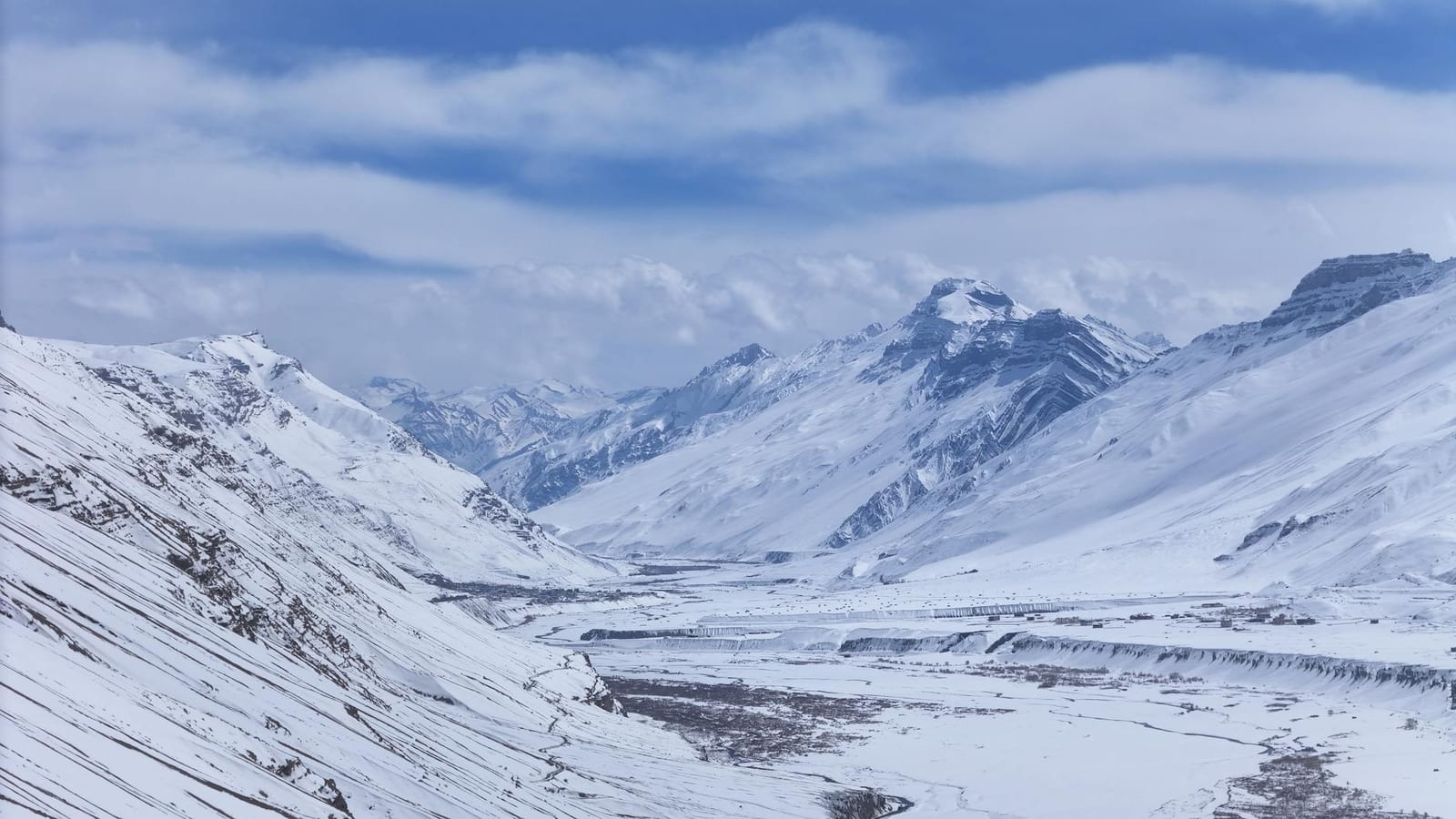
The Indian summer holiday is no longer just a race to Shimla, Goa, or Jaipur. Travellers now want cooler air, shorter breaks, quieter towns, and places where history still feels lived in.
That shift says something about how India travels now. Leave is limited, flights are costly, and big tourist spots feel crowded fast. So people are choosing smaller escapes, slower routes, and places that offer more than a hotel pool.
Coolcations reshape summer travel
The ugly heat of the plains has made “coolcations” a real habit. The word simply means holidays planned around cooler weather. For families in Delhi, Mumbai, Bengaluru, or Kolkata, that often means hill towns, valleys, forests, and higher villages.
This is why places like Sissu in Himachal Pradesh are getting fresh attention. It sits beyond Manali, in Lahaul Valley, with river views, trails, stargazing, and a quieter pace. For many travellers, that mix matters more than nightlife or shopping.
The old hill-station formula still works for some. But many Indians now want the hill experience without the traffic jam attached to it. They want a place where mornings feel slow, mobile networks may fade, and the day does not revolve around a packed sightseeing list.
The same hunger explains renewed interest in lesser-known Himalayan pockets. Himachal, Uttarakhand, Sikkim, and parts of the Northeast are no longer just postcard destinations. They have become summer breathing spaces for people worn down by heat, screens, and city noise.
Short breaks are the new luxury
Luxury travel in India has also changed quietly. It is not always about a five-star resort or a long foreign trip. For many working couples and young professionals, luxury now means two peaceful nights away without taking a week off.
These short trips, often called micro escapes, fit modern Indian life neatly. A Friday evening departure, a Sunday return, and just enough distance from office calls. That is the new holiday math.
This also explains why weekend guides for Delhi, Kolkata, Mumbai, and Bengaluru have become useful. People are not waiting for annual leave anymore. They are building small breaks around concerts, food festivals, cultural shows, workshops, and quick local stays.
For a kirana store owner in a tier-2 city, or a young parent managing school calendars, this style of travel feels practical. It does not demand big planning. It also does not burn through the family budget in one go.
The real shift is emotional. Travellers want a change of pace, not a performance. They want to come back lighter, not exhausted from ticking ten attractions in two days.
Heritage feels alive again
India’s heritage travel is also moving beyond stone-and-guidebook tourism. The more interesting journeys now ask a sharper question. How does the past live inside everyday life?
Take Warangal, where Kakatiya temples and ruins still sit within a living city. These are not museum pieces sealed away from daily life. They exist beside markets, homes, traffic, and routines.
That makes the experience richer. A traveller sees architecture, yes. But they also sees how memory survives when ordinary people live around it. That is often more revealing than a perfectly polished monument.
The same idea runs through Karaikudi in Tamil Nadu. Its grand Chettinad mansions, antique markets, handloom sarees, and sharp local cuisine create a layered trip. You do not “cover” Karaikudi. You walk through it slowly.
This kind of travel rewards patience. It suits people who like stories behind doorways, old kitchens, courtyards, craft shops, and family histories. It also helps smaller towns gain visitors without turning into theme parks overnight.
There is a warning here too. Heritage sites need care, not just lighting and ticket counters. Night views can make monuments dramatic. Poor lighting can also flatten their character. India must learn that preservation is not the same as decoration.
Pilgrimage routes draw new travellers
Spiritual travel has always moved India. What has changed is the profile of the traveller. Pilgrimage routes now attract believers, history lovers, solo travellers, photographers, and families seeking quieter meaning.
Buddha Purnima has brought attention back to India’s Buddhist heartlands. Bodh Gaya, Sarnath, Dharamshala, Kushinagar, Vaishali, and Odisha’s Buddhist sites are not just religious stops. They are also routes through philosophy, politics, trade, and memory.
For first-time visitors, these places can surprise. They are often quieter than India’s louder pilgrimage circuits. The atmosphere can feel reflective rather than festive. That difference matters for travellers who want stillness, not spectacle.
Bengal offers another kind of living legacy through Rabindranath Tagore. His presence still runs through spaces tied to art, music, education, and open thought. For many Bengalis, this is not frozen history. It remains part of cultural life.
These journeys show a wider truth. Indian travel is not only about where to stay and what to eat. It is also about why a place matters, and who kept its memory alive.
Fragile places need better habits
The boom in offbeat travel brings a hard problem. Quiet places do not stay quiet once everyone discovers them. Himalayan trails, waterfalls, desert towns, and remote villages can suffer fast when visitors arrive without care.
The mountains face the toughest test. Roads, homestays, plastic waste, and traffic can change a valley within a few seasons. A village that once welcomed a few trekkers may suddenly face water stress and garbage it cannot handle.
This is where travellers need plain common sense. Carry back waste. Avoid blasting music in villages. Use local guides when needed. Respect trail rules. Do not treat every meadow, monastery, or desert dune like a private photo studio.
Places such as Jaisalmer also remind us that nature is not always green. The desert offers silence, light, and scale. But it also needs respect. Sand landscapes look empty to outsiders, yet they hold fragile life and local livelihoods.
The same goes for waterfalls and high-altitude lakes near popular pilgrimage routes like Kedarnath. A “hidden” place can become vulnerable the moment it goes viral. Travel writing, tour operators, and visitors all carry responsibility here.
India’s next travel story will not be about discovering one more pretty spot. It will be about learning how to visit without crushing what made the place special. For ordinary travellers, that means choosing slower days, smaller footprints, and a little more humility. The best journeys ahead may be the ones where we return with memories, and leave the place still able to breathe.