Bangkok train-bus crash kills eight, injures 25 people
A train hit a public bus and nearby vehicles in Bangkok, sparking a fire that killed at least eight people and injured 25, officials said.
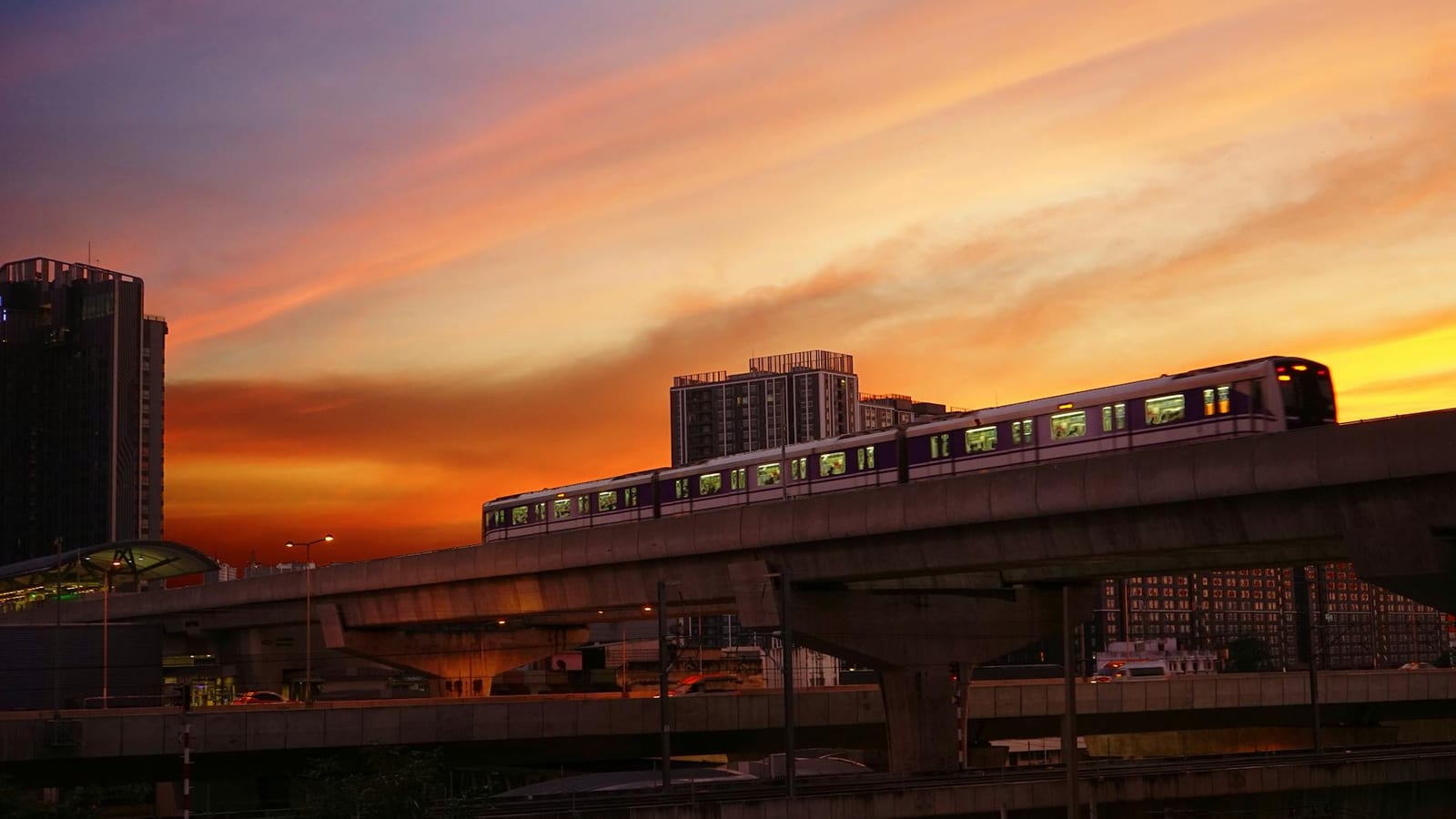
A Saturday trip through Bangkok turned deadly in seconds. A train hit a public bus and nearby vehicles, then fire did the rest.
Authorities said at least eight people died and 25 others were injured in the crash on May 16, 2026. The collision involved a train, a passenger bus, cars and motorcycles in Bangkok, Thailand.
For Indian travellers, this is not just a distant tragedy. Bangkok is one of the easiest foreign getaways from India. It is familiar, affordable, and busy in a way many Indians understand too well.
A crash that became a fire
Rescue officials and police said the impact sparked a large blaze. The fire spread quickly through the bus and nearby vehicles.
Videos from the scene showed thick smoke rising above the road. Firefighters used water hoses to stop the flames from spreading further.
Rescue teams pulled injured passengers and motorists from the wreckage. Emergency crews also cleared the area to reduce the risk of more damage.
Officials said the injured were taken to nearby hospitals. Authorities had not released the victims’ identities when the first details came out.
The fire was later brought under control. Crews kept cooling the site because burnt vehicles can stay dangerous for hours.
Rescue workers also carried out gas ventilation measures. In simple terms, they tried to clear trapped fuel vapours that could catch fire again.
Why crossings worry commuters
Police have started an investigation into what caused the collision. They will look at human error, vehicle movement, warning systems, and possible mechanical failure.
That sounds procedural, but it matters deeply. At busy crossings, a few seconds can decide everything.
A bus driver may think there is enough time. A motorcyclist may squeeze through. A train cannot brake like a car.
This is why rail crossings in dense cities become pressure points. Road traffic, public transport, impatient two-wheelers, and railway timing all meet in one tight space.
Bangkok has heavy traffic through much of the day. Like Mumbai, Delhi, Bengaluru, or Chennai, its transport network carries locals, office-goers, tourists, and delivery workers at the same time.
When a rail crossing fails, or when road users misjudge it, the damage can spread beyond one vehicle. This crash shows that clearly.
The bus was not the only vehicle hit. Cars and motorcycles were also caught in the accident and fire.
For ordinary commuters, that is the frightening part. You may not be the person taking the biggest risk, yet still end up in danger.
What travellers should remember
Bangkok remains one of Asia’s most visited cities. Indians go there for holidays, shopping, food, medical visits, work trips, and onward travel.
Most travellers move around by taxis, buses, ride-hailing cars, metro lines, and airport rail links. Many also use local roads without thinking about crossings.
This accident should not scare people away from Thailand. But it should make travellers more alert about road movement in unfamiliar cities.
If you are in a bus or taxi near a railway crossing, watch the behaviour around you. If vehicles are bunching up near tracks, that is a warning sign.
Tourists often assume the driver knows best. Usually, that is fair. But in crowded traffic, passengers should still stay aware.
Families with children should avoid standing near bus doors. Solo travellers should keep phones and bags secure, especially during sudden stops.
If a vehicle is stuck near tracks, get out and move away if it is safe. Do not wait for someone to explain the risk.
This may sound basic. But many tragedies grow from normal habits, not dramatic mistakes.
The investigation now matters
Authorities have not yet said whether negligence played a role. Police will need to study the scene, speak to witnesses, and inspect signals and vehicles.
They will also need to check how the bus and train came into the same path. That is the key question.
If the crossing had barriers, investigators must ask if they worked. If it had warning lights, they must check whether drivers could see them.
If there was no proper protection, the issue becomes larger. Then it is not only about one crash, but about how cities manage risky intersections.
Thailand has faced transport safety concerns before, especially on roads. Tourists often see the fun side first, the markets, beaches, nightlife, and weekend escapes.
But behind that travel postcard sits a hard truth. Fast-growing cities carry many people through systems that need constant discipline.
India knows this problem well. Our own cities mix trains, buses, bikes, autos, pedestrians, and private cars in crowded spaces every day.
That is why this Bangkok crash feels familiar, even from far away. It is the kind of accident that could happen wherever transport systems meet public impatience.
A reminder beyond Bangkok
For travel planners, the practical advice is simple. Build time into your itinerary. Do not cut airport transfers too fine. Avoid panic rides through heavy traffic.
For tourists in Bangkok, public transport can still be useful. Metro and rail links may offer more predictable movement than road travel during peak hours.
For local authorities, the harder work starts after the fire is out. Families need answers, and commuters need safer crossings.
Every city has places where routine hides danger. A bus route, a rail line, a crowded signal, a rushed turn.
The Bangkok crash has taken lives and shaken many more. Its real test now lies in whether investigators find the cause, and whether officials fix the weak spot before another normal journey turns fatal.