Pujara Urges Young IPL Talent To Keep Team India As Bigger Goal
Cheteshwar Pujara says the IPL can sharpen young cricketers, but warns emerging stars not to lose sight of playing for Team India.
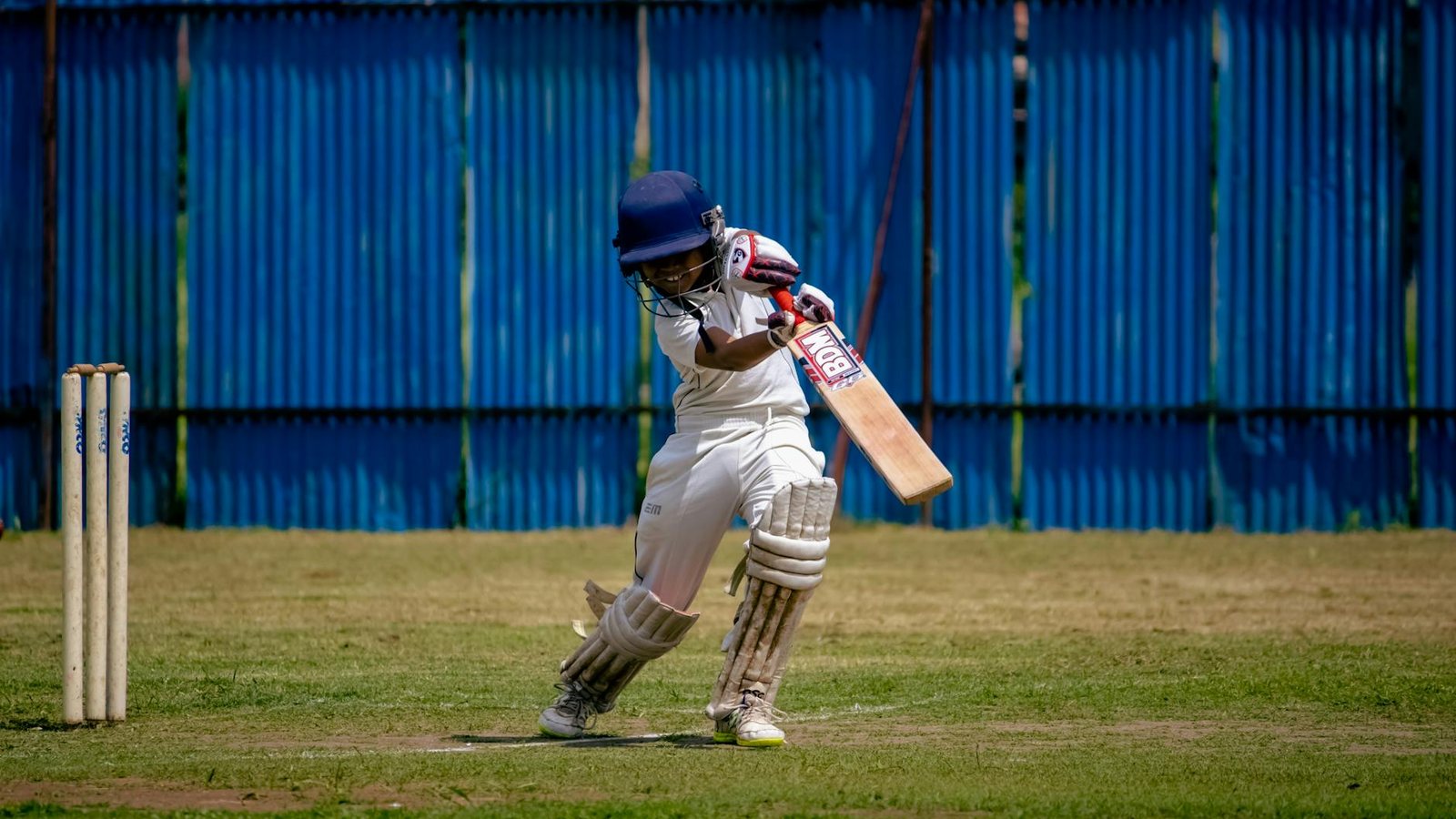
A 13-year-old smashing IPL bowlers can make a country dream too quickly.
That is the thrill and the danger Cheteshwar Pujara is pointing to. Young Indian cricketers now enter big cricket through floodlights, packed stadiums, auctions, and social media clips.
Pujara’s advice is simple, but sharp. Play the IPL, enjoy it, learn from it. But do not make it the final dream. The bigger ambition must still be Team India.
Pujara’s message to young stars
Pujara spoke about the new rush of teenage and early-20s talent in Indian cricket. Names like Vaibhav Suryavanshi and Ayush Mhatre show how young the pipeline has become.
The IPL gives them something previous generations did not get so early. They face international bowlers, share dressing rooms with stars, and handle pressure before adulthood settles in.
But Pujara believes that can also confuse priorities. A young player can start preparing only for franchise cricket. That, in his view, would be too narrow.
He said young cricketers must keep improving and dream of playing for India. The IPL matters, but wearing India colours must matter more.
That sounds old-school, but it is not anti-IPL. Pujara understands the format’s value. He is only warning against treating a franchise contract as the finish line.
India has major tournaments ahead in white-ball cricket. ODI World Cups and T20 World Cups arrive with unforgiving regularity. Pujara wants young players to see those trophies as the real target.
For a young batter from a small town, this message lands differently. The IPL cheque may change a family’s life. But India selection can change a career’s meaning.
IPL is not hurting Test cricket
Pujara also pushed back against a familiar complaint. Many people blame the IPL for weakening Test cricket. He does not buy that argument.
His point is practical. The IPL has given India several players who later became major Test performers. Jasprit Bumrah, Mohammed Siraj, and Mohammed Shami all gained from that stage.
That is an important reminder. T20 cricket does not automatically make a player shallow. It can sharpen nerve, fitness, skill, and confidence.
A fast bowler who handles death overs in front of 50,000 people learns pressure quickly. A batter who faces world-class spin at 19 grows up fast.
Test cricket still asks harder questions. Can you bat for 4 hours? Can you bowl your fourth spell with the same bite? Can you think across sessions, not just overs?
But the IPL does not block those qualities. It can reveal raw material. The job of selectors and coaches is to shape it.
Pujara’s career gives weight to that view. He built his name on patience, defence, and long innings. Yet he sees T20 cricket as part of India’s larger cricket machine.
That is a useful correction in a noisy debate. The issue is not IPL versus Tests. The issue is whether players and systems keep all formats in balance.
Selection cannot be only about age
Pujara also spoke about one of Indian cricket’s oldest selection headaches. How do you balance senior players and juniors?
He said performance must come first. If young players perform well and senior players struggle without improving, selectors must look at alternatives.
But he also added a crucial caution. A senior player should not lose his place only because he is older.
That is where Indian cricket often gets emotional. Fans ask for fresh faces after one bad series. Others protect big names long after form has faded.
Pujara’s argument sits between both extremes. If a senior player still performs, age alone should not count against him. If a junior demands selection with runs or wickets, reputation should not block him.
This matters because India now has depth in almost every department. There are openers waiting, middle-order batters pushing, wicketkeepers competing, and fast bowlers arriving from every IPL season.
That depth is a blessing, but also a management test. A young player needs clarity, not false hope. A senior player needs honesty, not sudden panic.
The dressing room works best when both groups feel respected. Juniors bring energy and fearless cricket. Seniors bring memory, discipline, and match awareness.
Pujara’s larger point is about timing. Move too late, and the team goes stale. Move too early, and you waste experience that still has value.
Commentary gave Pujara a new job
Pujara also opened up about his shift into commentary. For many fans, that itself is a curious sight.
On the field, he looked like a man built for silence. He left balls, absorbed blows, and rarely gave away much.
In the commentary box, he said the job feels more like talking cricket with friends. The difference is preparation.
Pujara said speaking about cricket is natural for him. But analysing players for viewers required a different kind of work.
He now studies young players, senior players, Indian names, and overseas recruits. He looks at how they play, where they have improved, and what their current form says.
That is the less glamorous side of commentary. Good analysis does not come from just having played the game. It comes from doing homework.
For viewers, this matters. The best commentators do not shout every shot into greatness. They explain why something happened.
A small technical note can change how a fan sees a batter. A field-setting detail can explain a wicket before it falls.
Pujara’s method suits his cricketing personality. He was never a player of shortcuts. His commentary, by his own account, follows the same route.
Mumbai Indians need calm heads
Pujara also discussed Mumbai Indians, whose uneven run has drawn plenty of attention. He accepted that their performances have dipped.
But he did not call it a crisis. He pointed to their strong win against Lucknow as a sign of recovery.
His advice was simple. The Mumbai players need to sit together, plan better, and find rhythm as a group.
That sounds basic, but franchise cricket often turns basic problems into loud drama. One bad week becomes a trend. One poor innings becomes a character certificate.
Mumbai know this better than most teams. Their history carries both success and expectation. When they lose, the reaction is louder.
Pujara said some players may simply be out of form. Once they regain touch, he believes they can become very hard to stop.
For fans, that is both hope and warning. In the IPL, form can turn within 2 matches. A side that looks confused in April can become dangerous in May.
The larger lesson from Pujara’s comments is not just for Mumbai. It is for Indian cricket’s young gold rush.
The IPL will keep making teenagers famous before they learn the full weight of fame. Some will handle it. Some will need guidance. Some will discover that talent alone gets exposed quickly.
Pujara is asking them to keep the bigger picture in sight. Franchise cricket can open the gate, but India cricket remains the house. For ordinary fans, that is still the dream they invest in every summer, every selection debate, and every nervous chase.