Pujara Urges Young IPL Stars To Put India Dream First
Cheteshwar Pujara says the IPL is a vital stage for young cricketers but urges them to keep improving with Team India as the bigger goal.
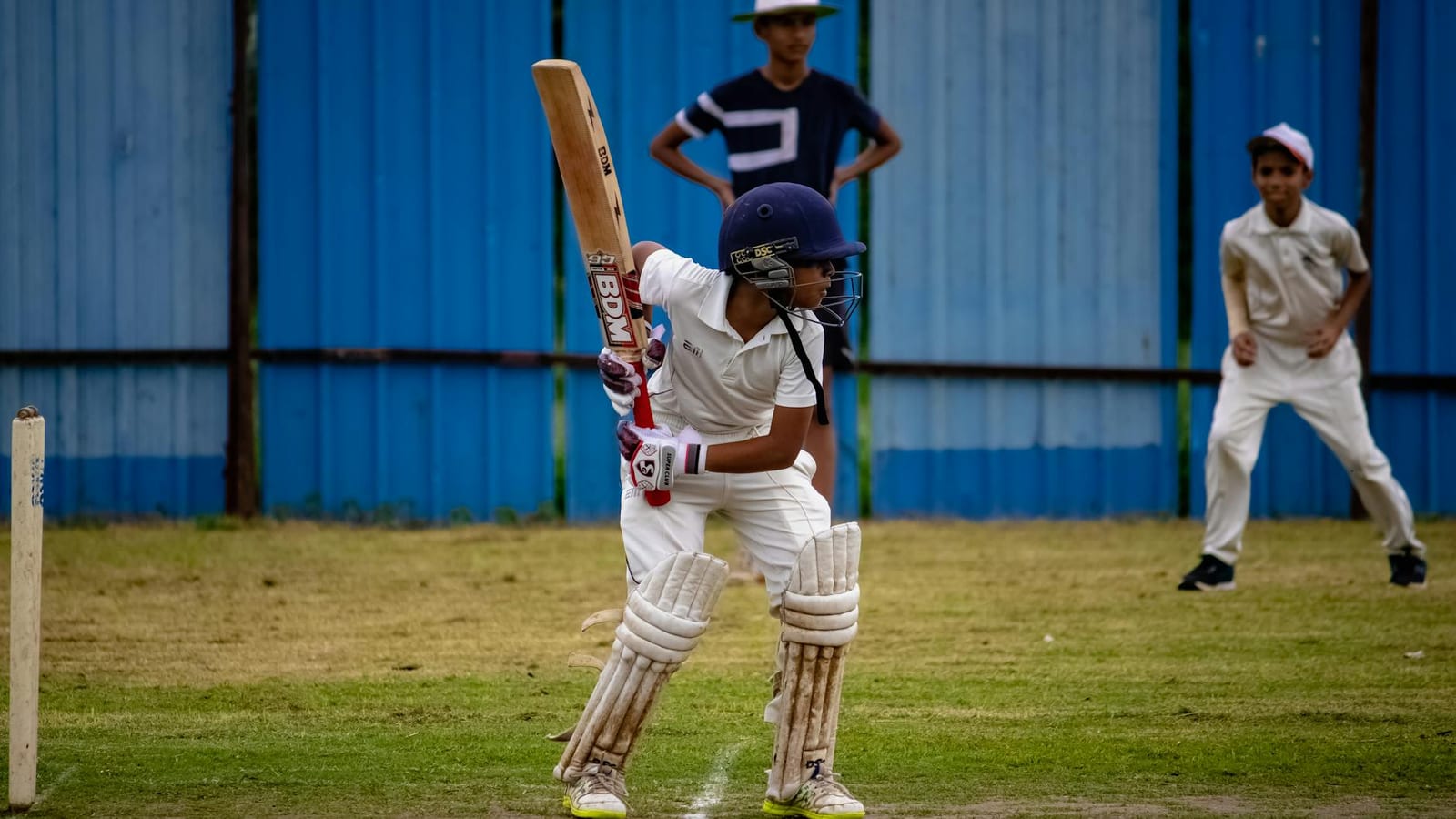
The IPL can make a teenager famous before he has learned to manage fame.
That is the lovely problem Indian cricket now has. A young batter can face world-class bowlers under lights, earn serious money, trend online, and still be years away from understanding what a long India career demands.
Cheteshwar Pujara has seen the other side of that road. His message to young players is simple: play the IPL, enjoy it, learn from it, but keep India as the bigger dream.
Pujara’s message to young cricketers
Pujara spoke about the new wave of Indian talent, including Vaibhav Suryavanshi and Ayush Mhatre. Both represent a larger shift in Indian cricket.
Players are arriving on the big stage younger than ever. The IPL gives them visibility, pressure, coaches, crowds, and money in one fast package.
Pujara does not see that as a bad thing. In fact, he accepts the IPL as an important platform for young cricketers.
But he warned against making the IPL the final destination. His advice was clear. Young players must keep improving and must dream of playing for Team India.
That sounds obvious, but it matters. The IPL can reward one skill very quickly. A 20-ball cameo can change a contract.
International cricket asks for more. It tests patience, adaptability, fitness, temperament, and hunger across formats.
Pujara’s point is not anti-IPL. It is pro-ambition. He wants young cricketers to use the IPL as a bridge, not as the whole journey.
India will keep chasing big trophies. The ODI World Cup cycle is ahead. T20 World Cups arrive often now.
For a young player, that means the target cannot stop at a franchise jersey. The dream must include winning for India.
IPL is not hurting Test cricket
One familiar complaint returns every season. People say the IPL has weakened Test cricket.
Pujara disagrees. He believes the IPL has actually helped India find players who later became serious red-ball cricketers.
He pointed to names like Jasprit Bumrah, Mohammed Siraj, and Mohammed Shami. All used the IPL stage before growing into major Test players.
That argument carries weight. Bumrah became one of India’s finest all-format bowlers after first becoming an IPL force.
Siraj also sharpened his skills in high-pressure white-ball cricket. Then he took that confidence into Test cricket.
The larger lesson is simple. T20 cricket does not automatically make a player shallow. It can expose talent early.
What matters is what the player does after that exposure. Does he add new skills? Does he build stamina? Does he learn conditions?
That is where Indian cricket must be careful. A teenager who succeeds in the IPL needs guidance, not hype alone.
Coaches, selectors, franchises, and families all play a role there. The player needs room to fail without being labelled too quickly.
Pujara’s own career offers a useful contrast. He built his name through long innings, not highlight reels.
Yet he does not dismiss the modern route. That makes his view more interesting. He is not defending his generation blindly.
He is saying Indian cricket needs both. It needs quick T20 learners and players who can bat, bowl, and think longer.
Selection must reward performance
Pujara also touched a sensitive cricket topic: seniors versus juniors.
Every Indian selection debate eventually reaches that point. Should experience count? Should youth get preference? Should age become a factor?
Pujara’s answer was sensible. Pick players on performance.
If a young player performs well and a senior player keeps struggling, selectors must consider alternatives.
But he also warned against dropping experienced players only because they are older. If senior players keep performing, age alone should not remove them.
That is a mature position. Indian cricket often swings too hard in both directions.
After one bad series, fans demand a reset. After one young player shines, social media wants a promotion.
The selection room cannot work like that. It must balance form, role, conditions, fitness, and future planning.
A Test team in England needs different tools from a T20 side in Mumbai. A World Cup squad needs both nerve and freshness.
Pujara’s point about balance matters because India now has a deep talent pool. That is a blessing, but also a headache.
There are more contenders than available spots. A player can do nearly everything right and still wait.
For young cricketers, this means one good IPL season may open the door. It may not guarantee a long India run.
For senior players, it means reputation alone cannot carry them forever. The scoreboard still speaks loudest.
Life after the playing crease
Pujara also spoke about his shift into commentary, and there is a small human story there.
On the field, he was never the loudest personality. His cricket did most of the talking.
In the commentary box, he has had to do something different. He has had to explain players, patterns, and moments in real time.
He said talking about cricket itself was not hard. The tougher part was preparing player analysis.
That preparation matters more than viewers realise. A commentator cannot only say what everyone can already see.
He must know how a batter builds an innings. He must understand how a bowler has changed his method. He must track form, role, and match-ups.
Pujara said he studies young players, senior players, Indian names, and overseas players before speaking about them.
That detail tells us something about him. Even away from batting, he approaches cricket like a long innings.
He prepares, observes, and then speaks. That old Test-match discipline has simply moved from the pitch to the microphone.
Mumbai Indians still have time
Pujara also discussed Mumbai Indians, whose uneven form has drawn plenty of attention.
He admitted their performance had dipped, but did not treat it as a panic situation.
He pointed to their strong win against Lucknow as a sign of recovery. His reading was that Mumbai still have enough quality.
His advice was practical. The players need to sit together, plan clearly, and work through poor form as a group.
That sounds simple, but IPL teams often live in tight emotional cycles. One week brings criticism. The next brings praise.
Form can vanish quickly in T20 cricket. It can also return in one over.
Pujara believes that once Mumbai’s players hit rhythm, they will become hard to stop.
That is not blind faith. Mumbai’s history tells us they can recover from slow starts.
But history does not win matches by itself. Senior players must deliver. Younger players must hold their nerve. The support staff must get roles right.
For fans, that is the IPL’s real pull. A side can look lost in April and dangerous a few matches later.
Pujara’s advice to young cricketers lands well because Indian cricket is changing faster than ever. The IPL will keep throwing up teenage names and overnight stars. But the harder climb remains the same: stay hungry after the first cheque, keep learning after the first headline, and remember that the India cap still carries a weight no franchise contract can replace.