Pujara Urges Young IPL Stars To Keep Team India Dream Alive
Cheteshwar Pujara says young Indian cricketers should use the IPL to grow but keep their larger goal fixed on winning for Team India and lifting trophies.
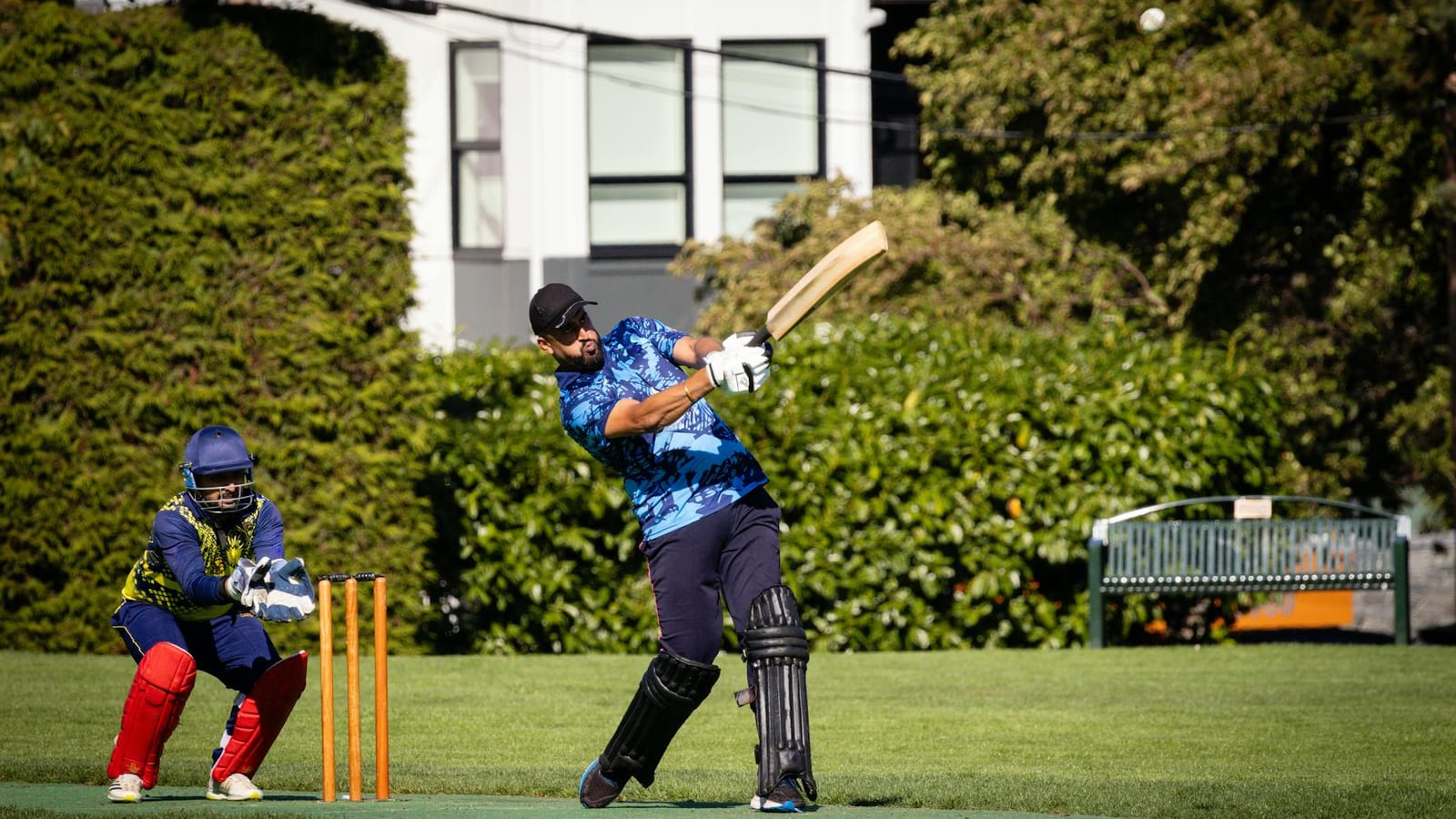
A teenager can hit one six in the IPL and become famous before dinner.
That is the magic, and the trap, of modern Indian cricket. One good night can bring contracts, followers, headlines, and pressure. Cheteshwar Pujara has seen the other side too, where careers need patience, discipline, and a bigger dream than one tournament.
Pujara’s message to young players is simple. Play the IPL, enjoy it, learn from it. But do not let it become the ceiling. The real dream, he says, must still be to win matches and trophies for Team India.
Pujara’s warning for young IPL stars
Pujara was speaking about the new wave of Indian talent, including Vaibhav Suryavanshi and Ayush Mhatre. These are players who enter a bright, noisy cricket market very early.
That market gives them what earlier generations did not get. They face top bowlers, share dressing rooms with global stars, and learn under pressure. A 17-year-old today can receive an education that once took 5 domestic seasons.
But Pujara wants them to keep perspective. He believes young players must keep updating their game and thinking beyond franchise cricket. In plain words, the IPL can open the door. It should not become the whole house.
That is a useful reminder in a country where T20 fame travels faster than Ranji Trophy runs. A youngster who performs in April can become a national debate by May. Selection chatter follows. So does criticism.
For families, coaches, and agents around these players, the temptation is clear. Prepare the boy for the next auction. Polish the power game. Build the brand. Pujara is asking them to also build the cricketer.
India dream must stay bigger
Pujara’s bigger point is about ambition. He says young cricketers should aim to help India win major tournaments, not only chase IPL success.
That matters because Indian cricket is entering another crowded cycle. ODI World Cup planning is never far away. T20 World Cups arrive regularly. Every format now asks different questions of the same player.
A batter must clear boundaries, rotate strike, handle spin, and survive pace. A bowler must bowl yorkers at night, then find patience with the red ball. Fitness cannot be seasonal anymore.
Pujara is not dismissing the IPL. He accepts its importance. His point is sharper than that. The IPL must become a training ground for larger goals.
For a young player, this changes the mental map. A franchise season lasts a few weeks. An India career can define a life. One pays well. The other carries a different weight.
Any Indian fan understands this instinctively. A packed stadium roars for a franchise. But the whole country leans closer when India needs 12 from 6, or 2 wickets before tea.
T20 has helped Test cricket
Pujara also pushes back against a common complaint. Many people say the IPL has hurt Test cricket. He does not buy that argument.
He points to players like Jasprit Bumrah, Mohammed Siraj, and Mohammed Shami. Their IPL journeys helped them grow into serious international cricketers. In Bumrah’s case, white-ball skill became a base for red-ball greatness.
That argument deserves attention. The IPL has changed what Indian cricket scouts can see. Earlier, many players had to pile up domestic numbers for years. Now, temperament gets tested in front of full stadiums and millions watching at home.
This does not make domestic cricket less important. It does make the pipeline wider. A player can announce himself in one format, then earn chances elsewhere.
Pujara’s view also reflects how modern cricket works. India cannot compete globally by treating T20 as a distraction. The format shapes skills, money, fitness standards, and selection pressure.
The problem is not the IPL itself. The problem begins when players prepare only for short bursts. India still needs cricketers who can adapt when the ball swings, the pitch slows, or a spell lasts 8 overs.
Selection must reward performance
Pujara also touched a sensitive topic. How should India balance senior players and younger talent?
His answer is sensible. Pick players on performance. Do not drop a senior only because he is older. Do not block a youngster if he is clearly ready.
This is the selection room’s eternal headache. Indian cricket loves experience when it wins. It calls the same experience a burden when results dip. The truth usually sits somewhere in between.
Pujara says if experienced players perform well, age should not become a reason to push them out. But if their form keeps falling and does not improve, selectors must consider options.
That is fair, and also difficult. Dropping a senior can shake a dressing room. Ignoring a young performer can kill momentum. India needs both memory and hunger.
For fans, this debate often becomes emotional. One side wants legends protected. The other wants the next star immediately. Selectors must live in the boring middle, where form, fitness, role, and conditions all matter.
Pujara’s own career gives weight to that thought. He has built his cricket on patience and method. So when he talks about balance, he is not speaking like a T20 critic. He is speaking like someone who knows how long careers actually work.
Commentary shows a second innings
Pujara also explained how he prepared for commentary, a role very different from batting at No. 3.
On the field, he says, a player has little time. Off the field, commentary feels more like talking cricket with friends. But the job needs homework.
He studies players before speaking about them. He looks at their methods, past performances, and current progress. That preparation helps him offer viewers more than surface-level chatter.
This part of Pujara’s transition is quietly revealing. Modern cricket does not stop at playing. Former players now become analysts, commentators, mentors, and talent readers. Their value lies in making the game simpler for viewers.
He also spoke about Mumbai Indians, whose form had dipped. Pujara said the slump should not cause panic. He felt their win over Lucknow showed signs of a comeback.
His advice for Mumbai was practical. The players need to sit together, plan better, and trust form to return. When their big names click, he believes they can become very hard to stop.
That is also the IPL’s old lesson. A poor week can look like collapse. One strong game can change the dressing room’s mood.
For young Indian cricketers, Pujara’s message lands at the right time. The IPL can make them visible. It can make them rich. It can even make them fearless. But the players who last will be those who use that stage to grow, not just glow. The real test will come when the jersey changes, the noise gets louder, and India asks them to win.